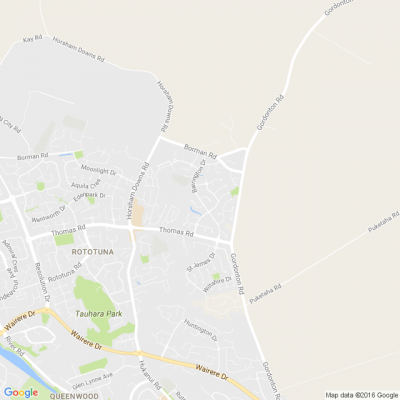
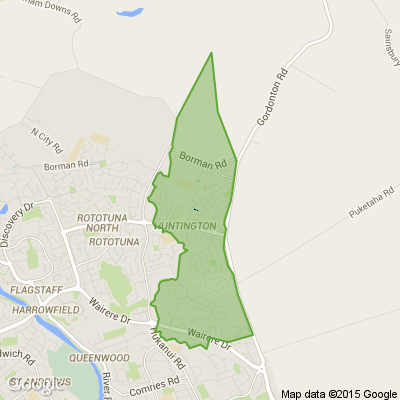





Should we stop at the berm....
Wouldn't it be great if we got to know our neighbours well enough to support them like family? What do I mean by this?
If we all take care of those next door to us, we could grow a bond of strength in the Community that could: prevent crime; lessen loneliness; create safety for the children; increase morals by understanding of decency & thoughtfulness toward others; and grow understanding of personal welfare and cultural needs; just to name a few things.
When I was young, people would be like that...small towns/community groups would look out for one another. Houses could be left open and nothing would be stolen. All that's gone now and some would say could never return (a dreamers age gone by), but I still think we could improve our communities by helping one another more often. Giving of self for another often improves our own happiness and well being.

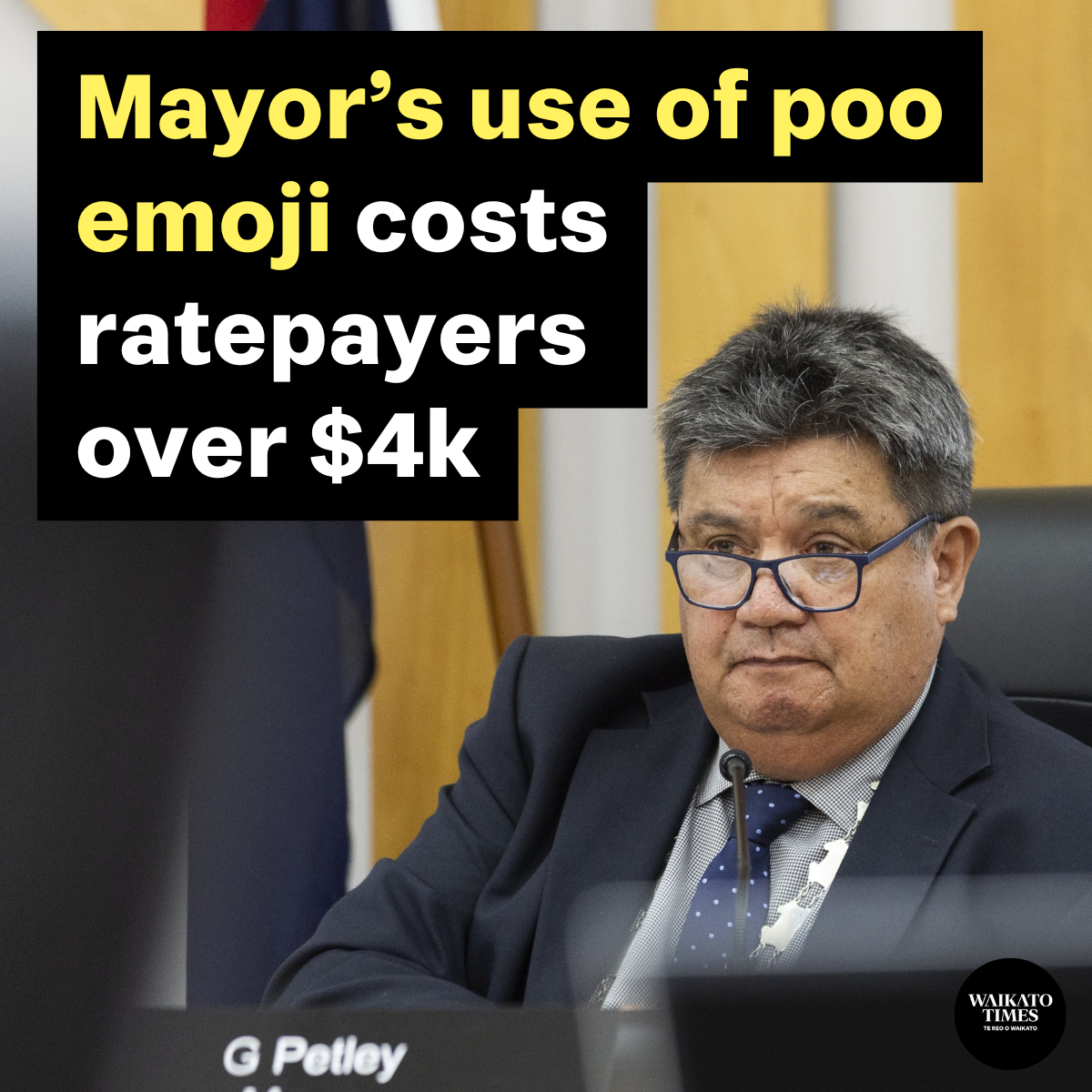
Mayor’s use of poo emoji costs ratepayers over $4k
South Waikato mayor Gary Petley will make a public apology, and has sworn off social media after admitting he got it wrong when an online dispute turned sour.
A code of conduct complaint was made by Putāruru ward councillor Zed Latinovic in January after Petley reacted to comments made about council expenditure on Facebook by using the ‘poo emoji’.

🧩😏 Riddle me this, Neighbours…
I am an odd number. Take away a letter and I become even. What number am I?
Do you think you know the answer?
Want to stop seeing these in your newsfeed? No worries! Simply head here and click once on the Following button.

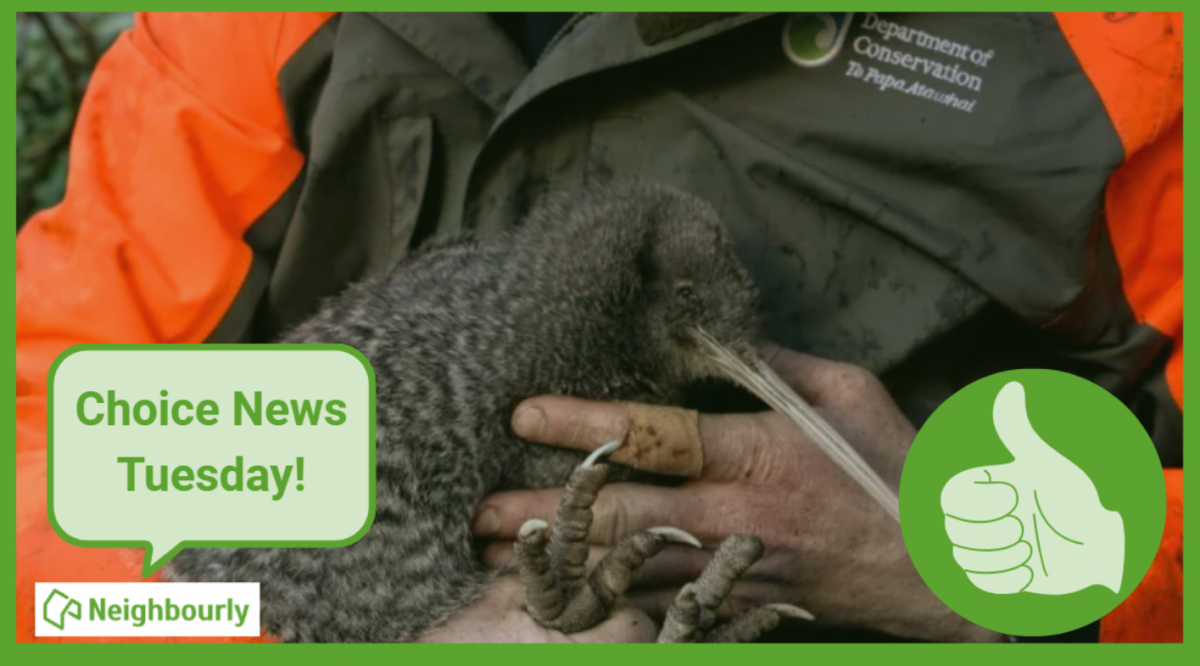
Some Choice News!
DOC is rolling out a new tool to help figure out what to tackle first when it comes to protecting our threatened species and the things putting them at risk.
Why does this matter? As Nikki Macdonald from The Post points out, we’re a country with around 4,400 threatened species. With limited time and funding, conservation has always meant making tough calls about what gets attention first.
For the first time, DOC has put real numbers around what it would take to do everything needed to properly safeguard our unique natural environment. The new BioInvest tool shows the scale of the challenge: 310,177 actions across 28,007 sites.
Now that we can see the full picture, it brings the big question into focus: how much do we, as Kiwis, truly value protecting nature — and what are we prepared to invest to make it happen?
We hope this brings a smile!
 Loading…