





Painters progress
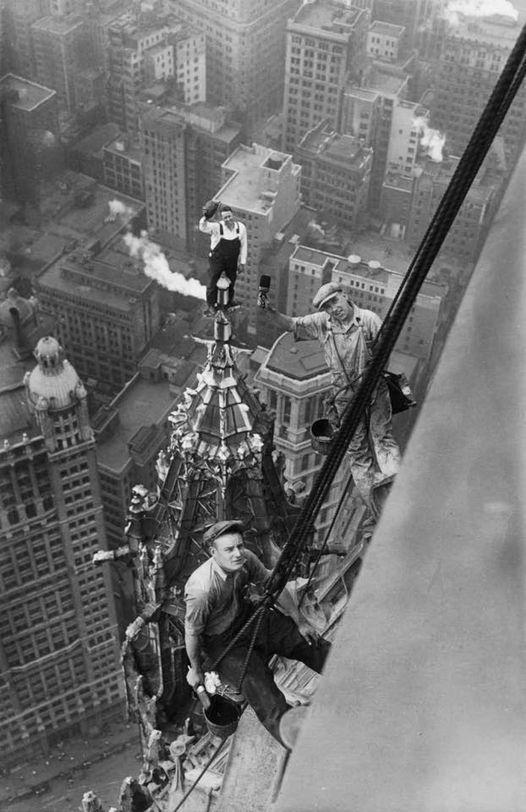
Painting buildings has been through a lot of changes over the years.
When I was doing my apprenticeship in the '80s water based paint systems were just coming in. Most of what we used were the oil based systems (thinned with turpentine). It would be lunchtime and the fumes from painting behind that toilet door at the Regent hotel in Auckland would make my nose run! I don't know how, but I managed to complete the 4 years training without too much brain damage!
Then of course before the 1960's, paint was often lead based, a toxic chemical that causes serious health issues. Thankfully, lead in paint was banned, but some home owners today still discover this dangerous chemical in the original coating on their property. Painters now have to follow strict safety rules to prepare and repaint these homes without getting sick.
I'm grateful for the changes that aim to value and protect the humble painter!

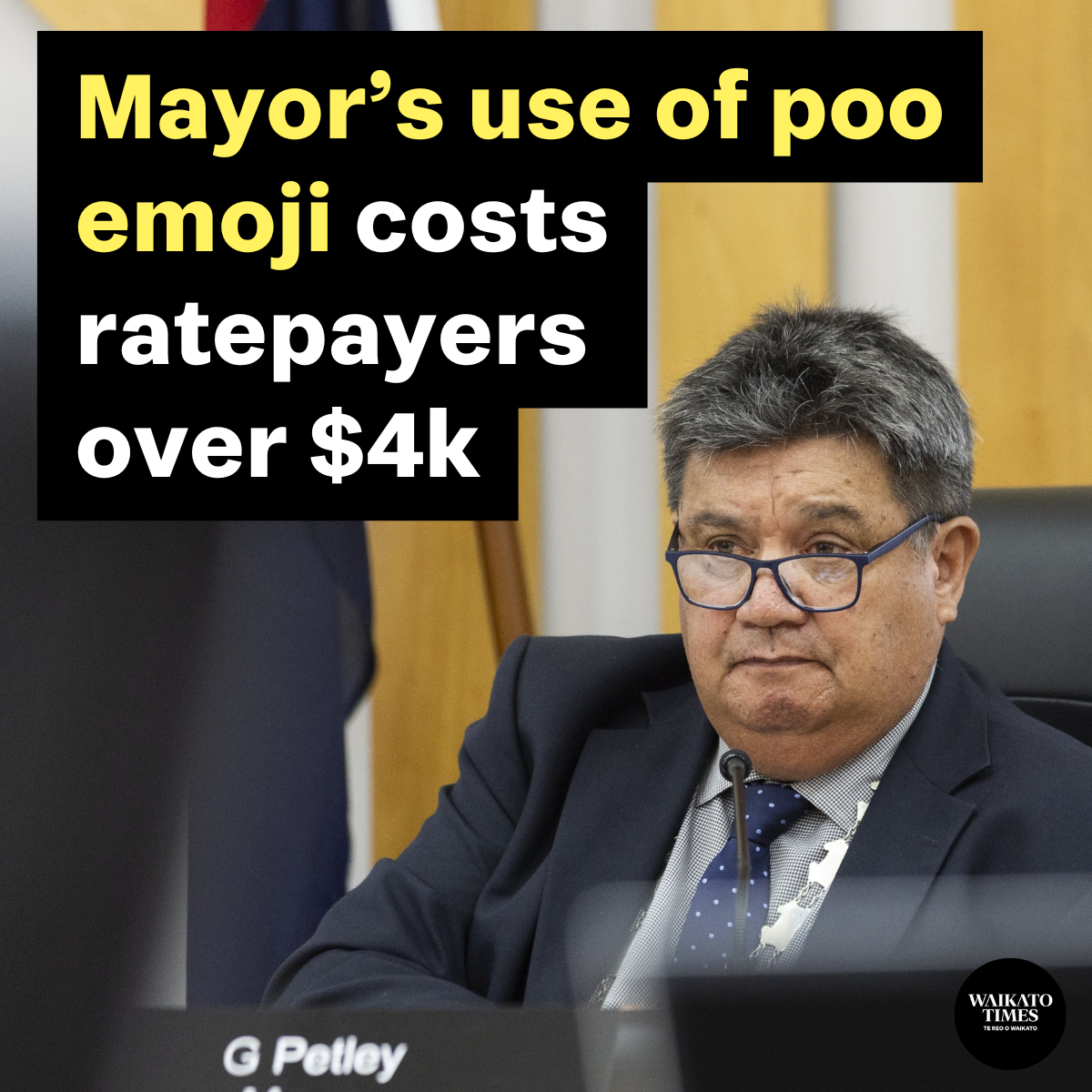
Mayor’s use of poo emoji costs ratepayers over $4k
South Waikato mayor Gary Petley will make a public apology, and has sworn off social media after admitting he got it wrong when an online dispute turned sour.
A code of conduct complaint was made by Putāruru ward councillor Zed Latinovic in January after Petley reacted to comments made about council expenditure on Facebook by using the ‘poo emoji’.

🧩😏 Riddle me this, Neighbours…
I am an odd number. Take away a letter and I become even. What number am I?
Do you think you know the answer?
Want to stop seeing these in your newsfeed? No worries! Simply head here and click once on the Following button.


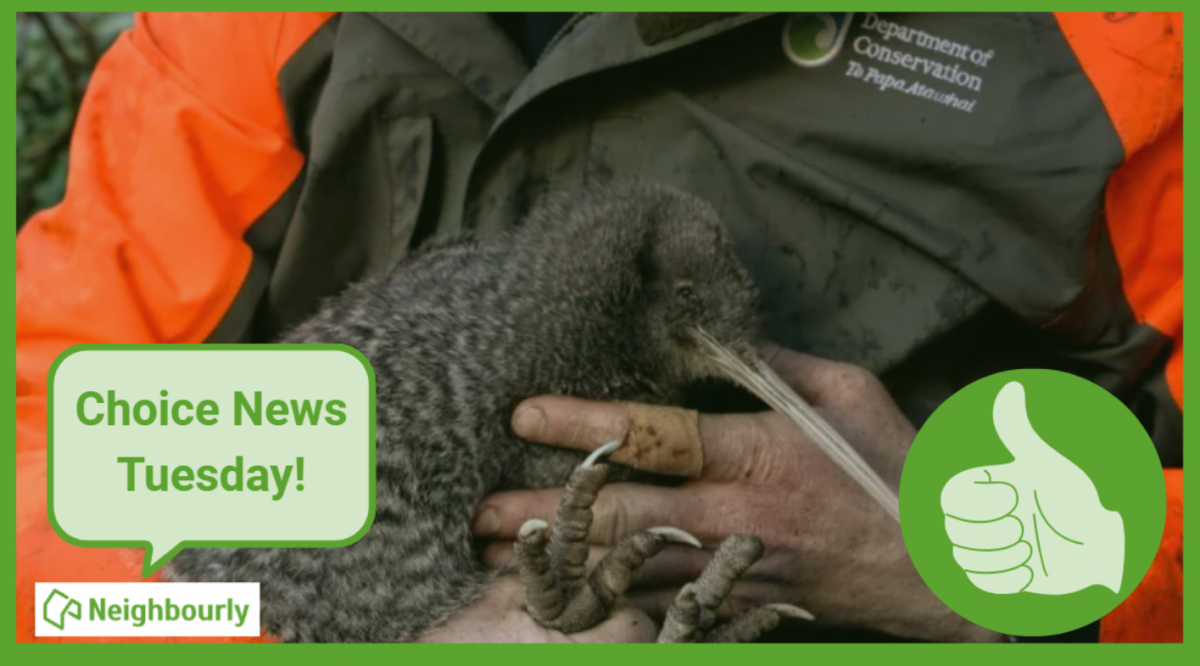
Some Choice News!
DOC is rolling out a new tool to help figure out what to tackle first when it comes to protecting our threatened species and the things putting them at risk.
Why does this matter? As Nikki Macdonald from The Post points out, we’re a country with around 4,400 threatened species. With limited time and funding, conservation has always meant making tough calls about what gets attention first.
For the first time, DOC has put real numbers around what it would take to do everything needed to properly safeguard our unique natural environment. The new BioInvest tool shows the scale of the challenge: 310,177 actions across 28,007 sites.
Now that we can see the full picture, it brings the big question into focus: how much do we, as Kiwis, truly value protecting nature — and what are we prepared to invest to make it happen?
We hope this brings a smile!
 Loading…