





Valuing our natural environment
The Waikato region has a fascinating and beautiful ecological past. Through the hard work and dedication of volunteers, conservationists, councils and government, excellent work is being done in the area of ecological restoration.
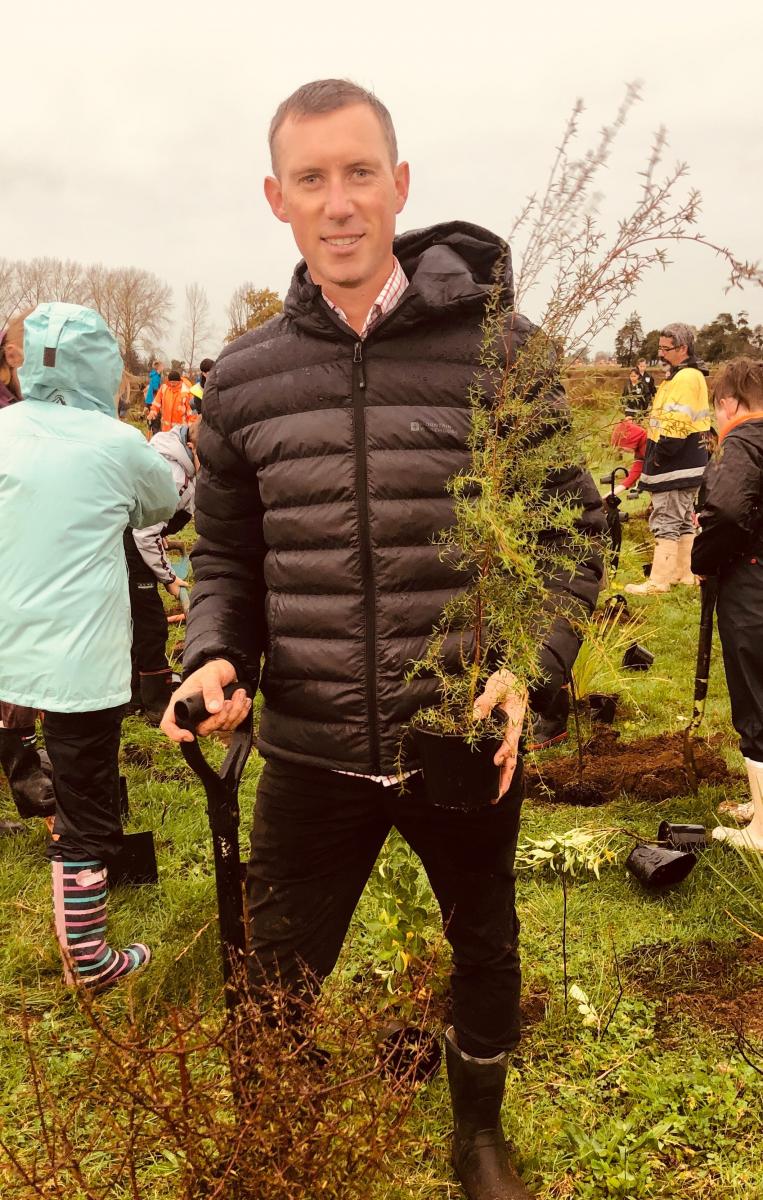
Hamilton City Council currently has 17 restoration projects in and around the region, ranging from weekly restoration of neighborhood sections, like the Riverlea Environment Society, to large public events like Arbor Day, which I had the privilege of attending earlier this year.
In 2018, volunteers spent over 7,000 hours assisting with restoration projects, planting over 30,000 native plants. The fantastic work achieved by those involved in these projects is clear to anyone who takes a walk through the sections.
This coalition Government has a goal of planting one billion trees over ten years, across a diverse range of species. We are well on the way to achieving this goal.
Maungatautari, a 40-minute drive from Hamilton, is the nation’s largest ecological ‘island’. With over 3400 hectares of predator-free land and approximately 30 native species within its boundaries, this sanctuary clearly demonstrates the value our region puts on our native environment. When I visited, I was impressed by the scale of this project, including the fence that surrounds the entirety of the site. Visitor tours provide revenue for maintenance and further protection of our native species.
Closer to Hamilton, the Waiwhakareke Natural Heritage Park, established in 2004, encompasses 60 hectares of land for restoration, aiming to revitalize the Hamilton basin’s ecological diversity. The project is starting to see major success, with early-planted trees starting to provide canopy closure for natural seeding of native plants. I recently joined with a number of students to plant trees on this site, and was inspired by their passion for our environment, and commitment to a long-term vision.
Focused on reintroducing native birds to the Waikato, Project Halo creates a 20km-wide ring around Hamilton, within which key breeding and feeding sites are actively encouraged and protected from pests. Since being introduced in 2007, Tui numbers have increased significantly. Reports of breeding pairs are becoming more frequent.
Hamilton is one of New Zealand’s only major cities that can claim a long tailed bat population; the bats being one of two native land mammal species left in our country. Project Echo, in collaboration with the Riverlea Environment Society, has been monitoring bat numbers, movements and behaviour for a number of years, in order to gain a better understanding of, and provide better protection for the bats. The population is tracking well, in large part due to the engagement of the public: bat detectors can be borrowed free of charge to confirm sightings.
Because much of the Waikato was initially wetlands, protecting the 20% of our region still in this condition is of paramount importance to local conservationists. Three of our wetlands have been recognised as habitats with global conservation value under the International Union for Conservation of Nature. With a goal of developing a National Wetland Discovery Centre at Lake Rotopiko/Serpentine between Te Awamutu and Hamilton, the National Wetland Trust hopes to create a wildlife sanctuary with research, educational and recreational facilities.
Established in 1971, the Otorohanga Kiwi house has been both creating appreciation for our region’s beautiful native animals, and providing a breeding sanctuary for close to 50 years. This facility is currently host to 20 native species.
The volume and effort put into conservation efforts here in the Waikato continues to inspire me; we owe it to future generations to take a long-term view. Our natural environment is unique and beautiful, and I look forward to seeing it continue to strengthen, grow and flourish.

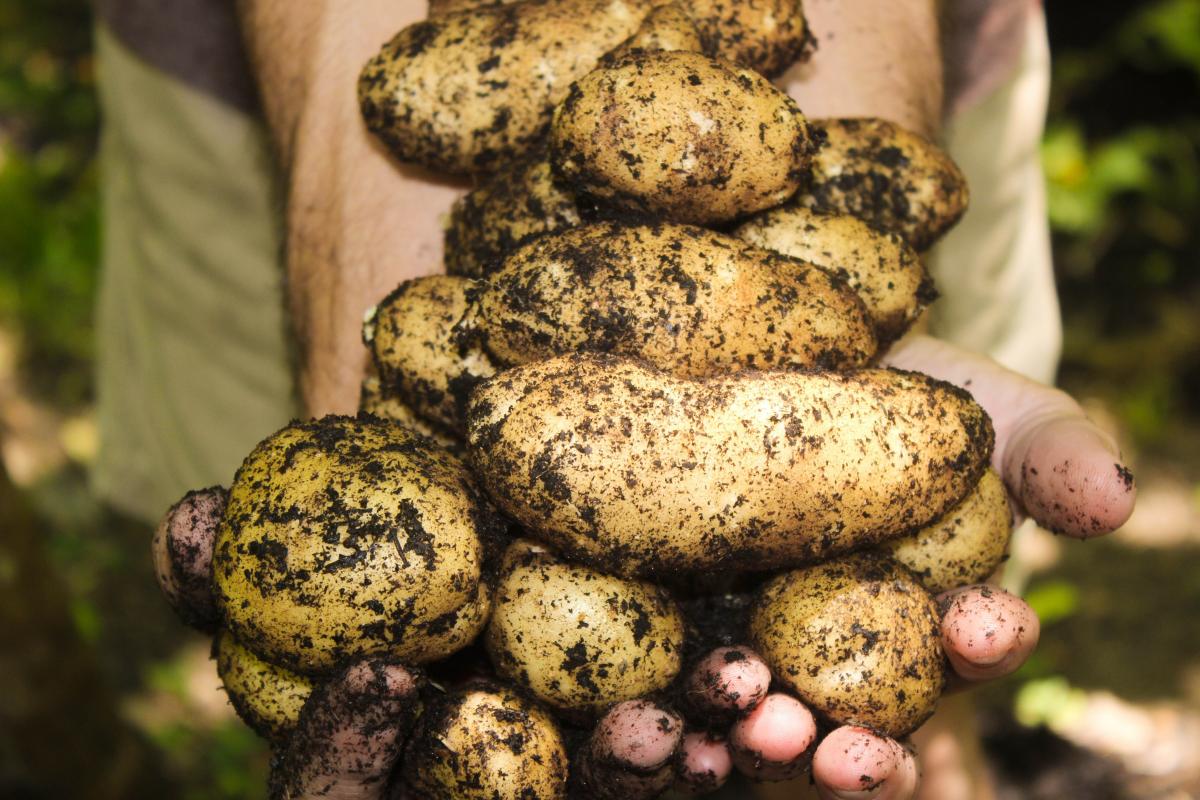
Share your favourite main crop potato recipe and win a copy of our mag!
Love potatoes? We will give away free copies of the May 2026 issue to readers whose potato recipes are used in our magazine. To be in the running, make sure you email your family's favourite way to enjoy potatoes: mailbox@nzgardener.co.nz, by March 1, 2026.

🧩😏 Riddle me this, Neighbours…
I am an odd number. Take away a letter and I become even. What number am I?
Do you think you know the answer?
Want to stop seeing these in your newsfeed? No worries! Simply head here and click once on the Following button.

Scam Alert: Bank cold calls
ASB is warning customers about reports of cold calls from scammers claiming to be from ASB. These scammers are trying to obtain personal information, including usernames, dates of birth, and verification codes sent to your mobile phone.
🛡️ The "Caller Check" Test
If you get a call from someone claiming to be from ASB and you’re unsure, just ask them for a Caller Check. You will then be able to verify the call through the app.
Remember, banks will:
❌ Never ask for your banking passwords, PINs, or verification codes
❌ Never need to know your full credit card number – especially the CVC
❌ Never ask you to download software or remotely access your device
❌ Never ask you to purchase gift cards or transfer funds.
If you have received a phone call and think your account has been compromised, call ASB on 0800 ASB FRAUD (0800 272 372), or visit your local branch.
 Loading…