





Luxurious Lotus Silk
Lotus fibre or lotus silk is a rather rare and exclusive fibre. The silk comes from the stem of the lotus flower which is made up of microfibres.
The stems are snapped off, the fibres are teased out before being rolled into thread. Once the threads are dry, they are weighed down and carefully wound by hand. Then they’re put onto the loom. These fibres are fragile, but once woven, can be as durable as traditional silk.
The entire process of fibre extraction, weaving the fibre, and making the fabric is completely handmade, making the process time-consuming. This also limits the quantity of the fabric produced. A large scarf requires the thread of around 9,200 stems and would take one worker around two months to complete. This is why it is considered luxurious and items made from lotus silk do not go cheap.
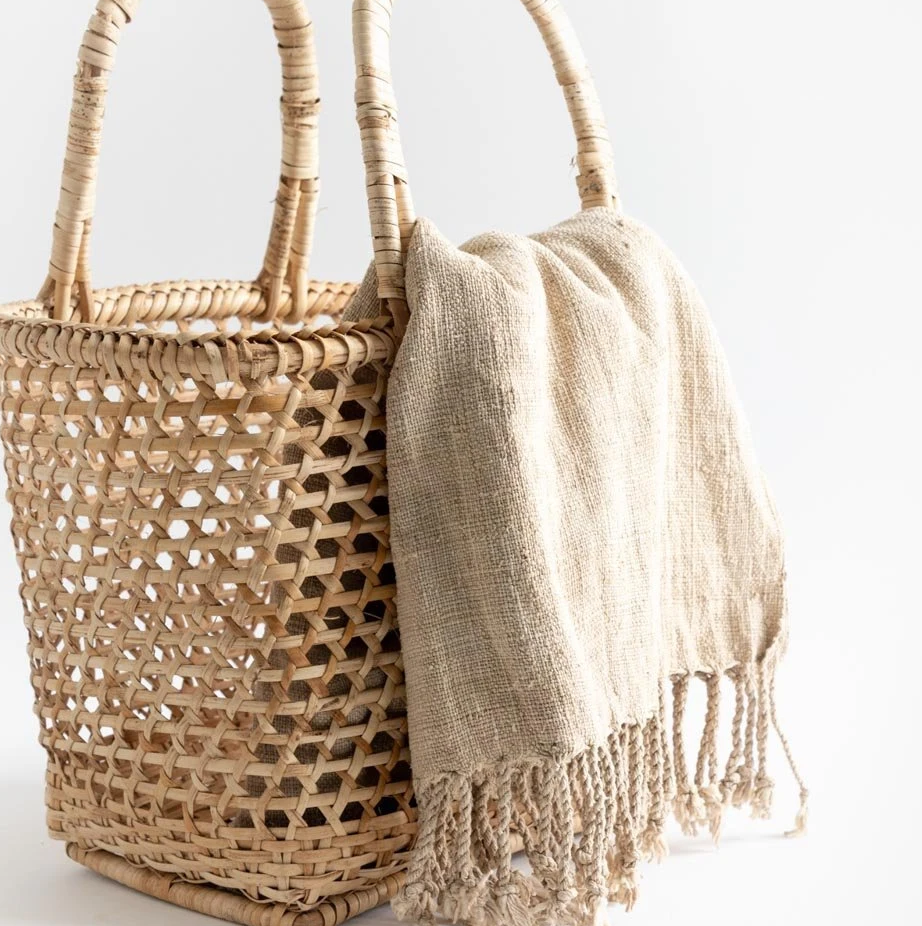
The resulting material resembles raw silk or an aged linen, naturally beige in colour and possesses unique qualities. It is waterproof, practically wrinkle proof, washable, lightweight, sweatproof and is soft to the touch.
Most importantly, its key quality is that it is one of the most eco-friendly materials on the planet. The lotus is a water plant. It preserves the eco-system in which it grows including the water as much as the surrounding wildlife.
Not only is it created from waste (lotus stems), but it also leaves little waste behind. In fact, lotus silk been identified as potentially the most ecological fabric in the world, and it is the first natural microfibre in the world. Being a natural fibre, it is biodegradable after its useful life.


Some Choice News!
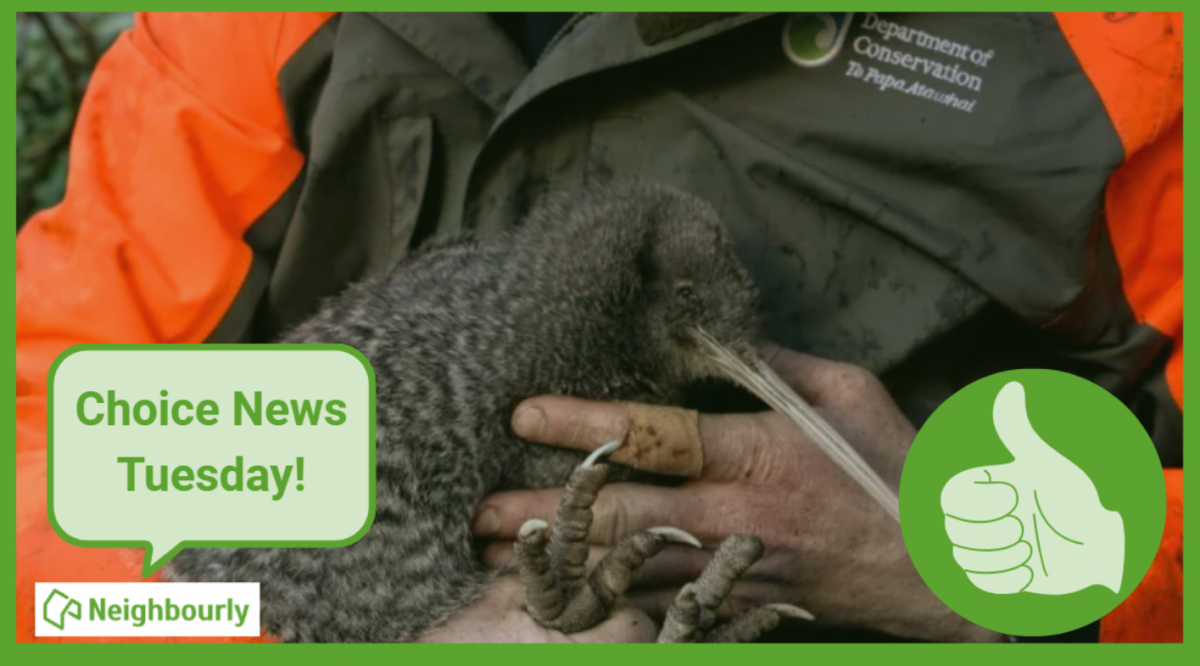
DOC is rolling out a new tool to help figure out what to tackle first when it comes to protecting our threatened species and the things putting them at risk.
Why does this matter? As Nikki Macdonald from The Post points out, we’re a country with around 4,400 threatened species. With limited time and funding, conservation has always meant making tough calls about what gets attention first.
For the first time, DOC has put real numbers around what it would take to do everything needed to properly safeguard our unique natural environment. The new BioInvest tool shows the scale of the challenge: 310,177 actions across 28,007 sites.
Now that we can see the full picture, it brings the big question into focus: how much do we, as Kiwis, truly value protecting nature — and what are we prepared to invest to make it happen?
We hope this brings a smile!

Poll: 🤖 What skills do you think give a CV the ultimate edge in a robot-filled workplace?
The Reserve Bank has shared some pretty blunt advice: there’s no such thing as a “safe” job anymore 🛟😑
Robots are stepping into repetitive roles in factories, plants and warehouses. AI is taking care of the admin tasks that once filled many mid-level office jobs.
We want to know: As the world evolves, what skills do you think give a CV the ultimate edge in a robot-filled workplace?
Want to read more? The Press has you covered!
-
52.7% Human-centred experience and communication
-
14.7% Critical thinking
-
29.8% Resilience and adaptability
-
2.7% Other - I will share below!

Share your favourite main crop potato recipe and win a copy of our mag!
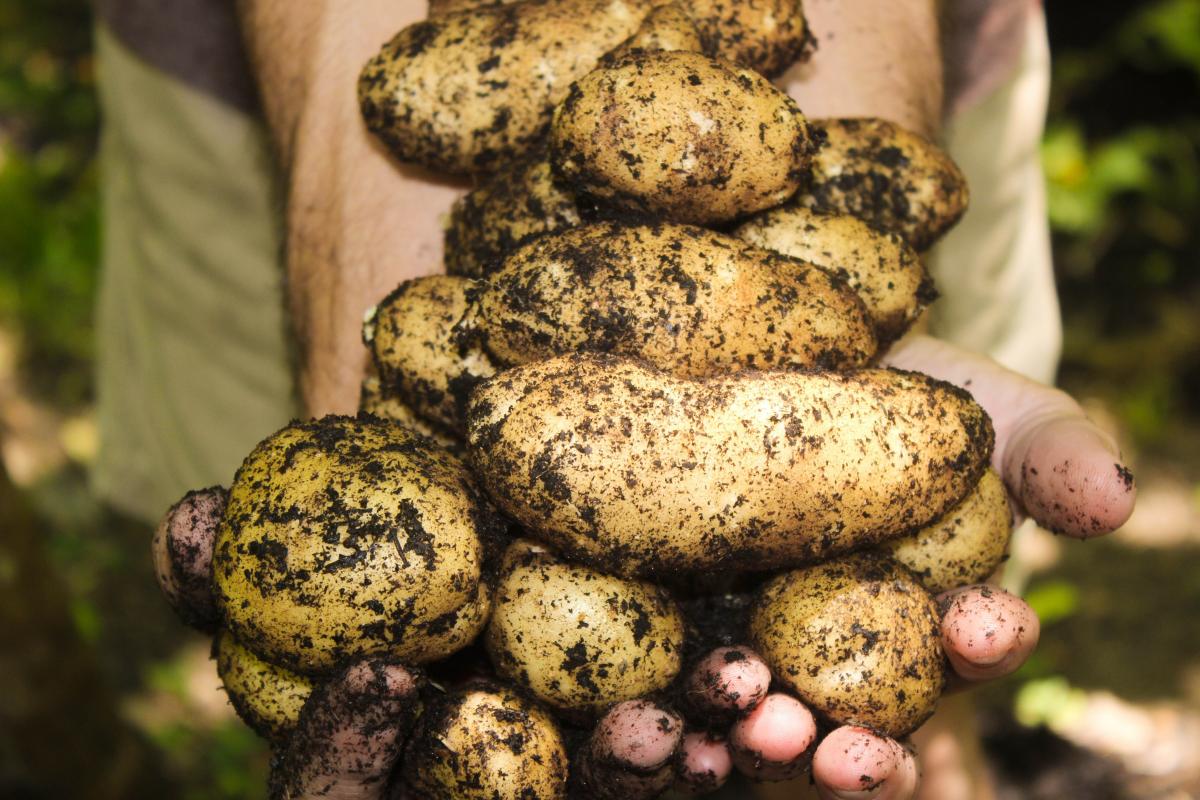
Love potatoes? We will give away free copies of the May 2026 issue to readers whose potato recipes are used in our magazine. To be in the running, make sure you email your family's favourite way to enjoy potatoes: mailbox@nzgardener.co.nz, by March 1, 2026.
 Loading…