







Wool is 100% Biodegradable
HOW DOES WOOL BIODEGRADE?
All materials of animal and vegetable origin have some degree of biodegradability, meaning that they are capable of being decomposed by the action of living organisms, such as fungi and bacteria. Wool is composed of the natural protein keratin, which is similar to the protein that makes up human hair. When keratin is broken down naturally by microorganisms, the products do not pose any environmental hazard.
WOOL READILY BIODEGRADES IN MOIST, WARM CONDITIONS
On disposal, if wool is kept warm and moist or buried in soil, fungal and bacterial growths develop which produce enzymes that digest wool. On the other hand, thanks to the unique chemical structure of keratin and wool’s tough, water-repellent outer membrane, clean and dry wool fibres do not readily degrade. This allows wool products to be resilient and long-lasting in normal conditions.
WOOL BIODEGRADES QUICKLY
Wool biodegrades readily in as little as three to four months but the rate varies with soil, climate and wool characteristics. This releases essential elements such as nitrogen, sulphur and magnesium back to the soil, able to be taken up by growing plants. Some studies found more rapid degradation after only four weeks’ burial in soils. Research has shown that processing treatments such as dyeing and anti-shrink treatment can affect the rate of biodegradation in soil, causing an increase in the initial resistance of wool fabric to degradation. However, this is a short-term effect, typically not persisting beyond eight weeks.
WOOL RETURNS ESSENTIAL NUTRIENTS TO THE SOIL
On burial in soil, wool becomes a slow-release fertiliser providing nutrients for uptake and growth by other organisms. Some have even used wool fertiliser to foster herb and vegetable growth. This is known as natural closed loop recycling; restoring the initial inputs of soil and grass. Other beneficial effects of adding wool to soils include enhanced water holding capacity, improved water infiltration, soil aeration and reduced erosion. Ground-up wool carpet, when used as a fertiliser, increased the dry matter yield of grass growth by 24% to 82%.
WOOL DOES NOT ADD TO LANDFILL VOLUMES OR MICROFIBRE POLLUTION
Natural fibres biodegrade naturally in a relatively short period in soils and aquatic systems and therefore do not accumulate in landfill and oceans. Results from a University of Canterbury study demonstrate that wool degrades in a marine environment. In contrast, synthetic textiles persist for many decades and can disintegrate to small fragments. Commonly known as microplastics, or microfibres when less than 5mm in diameter, these fragments accumulate in aquatic environments and land disposal sites where they have negative effects on ecosystems when consumed by organisms. A single polyester fleece garment can produce more than 1900 fibres per wash. Ingestion has a negative impact on organisms, sometimes causing death through starvation as plastic replaces food in the stomach. Once in the food chain, microplastics potentially also affect human health via seafood consumption.
At Curtain Clean we are all about minimising waste and reducing the amount of uncompostable materials going into landfill. Keep in mind that a lot of fabrics can be washed and don't need to be thrown away! Call us on 07 579 0501 if you have something you'd like cleaned, we can treat almost all fabrics.


Some Choice News!
DOC is rolling out a new tool to help figure out what to tackle first when it comes to protecting our threatened species and the things putting them at risk.
Why does this matter? As Nikki Macdonald from The Post points out, we’re a country with around 4,400 threatened species. With limited time and funding, conservation has always meant making tough calls about what gets attention first.
For the first time, DOC has put real numbers around what it would take to do everything needed to properly safeguard our unique natural environment. The new BioInvest tool shows the scale of the challenge: 310,177 actions across 28,007 sites.
Now that we can see the full picture, it brings the big question into focus: how much do we, as Kiwis, truly value protecting nature — and what are we prepared to invest to make it happen?
We hope this brings a smile!


Poll: 🤖 What skills do you think give a CV the ultimate edge in a robot-filled workplace?
The Reserve Bank has shared some pretty blunt advice: there’s no such thing as a “safe” job anymore 🛟😑
Robots are stepping into repetitive roles in factories, plants and warehouses. AI is taking care of the admin tasks that once filled many mid-level office jobs.
We want to know: As the world evolves, what skills do you think give a CV the ultimate edge in a robot-filled workplace?
Want to read more? The Press has you covered!

-
52.7% Human-centred experience and communication
-
14.7% Critical thinking
-
29.8% Resilience and adaptability
-
2.7% Other - I will share below!

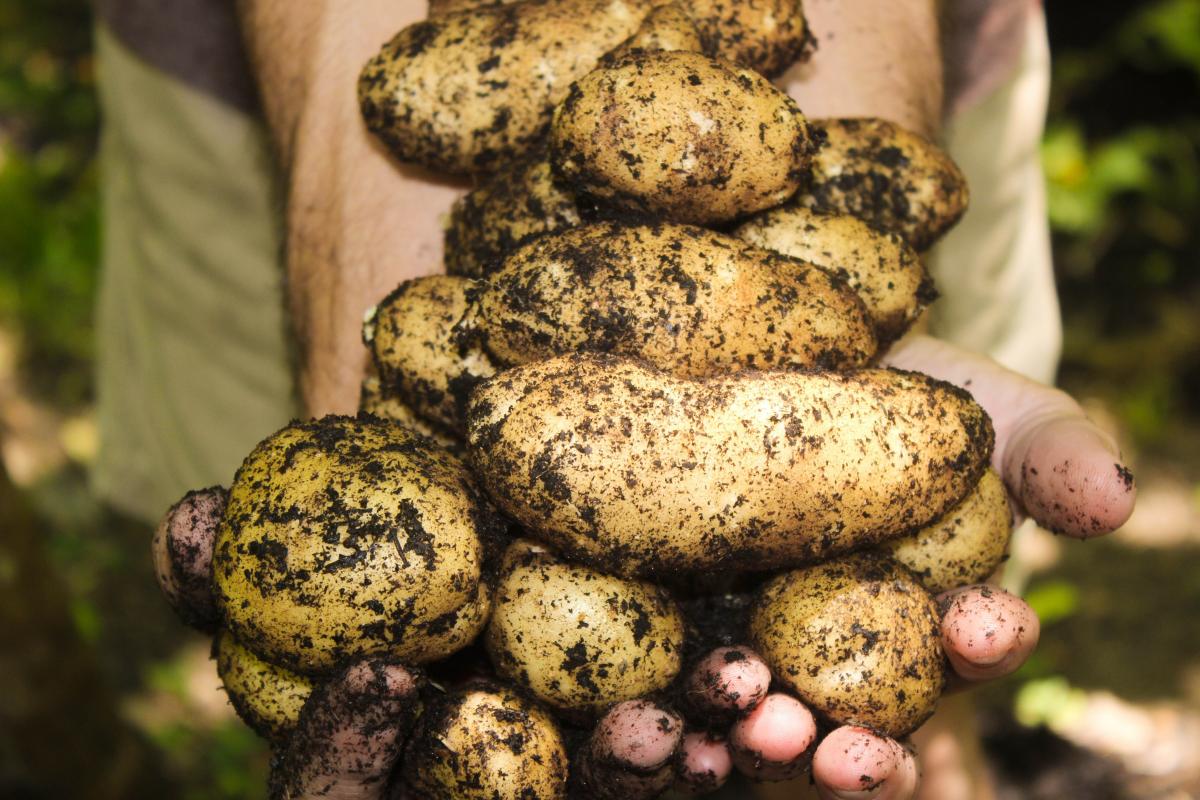
Share your favourite main crop potato recipe and win a copy of our mag!
Love potatoes? We will give away free copies of the May 2026 issue to readers whose potato recipes are used in our magazine. To be in the running, make sure you email your family's favourite way to enjoy potatoes: mailbox@nzgardener.co.nz, by March 1, 2026.
 Loading…