







How to Keep Indoor Plants Alive
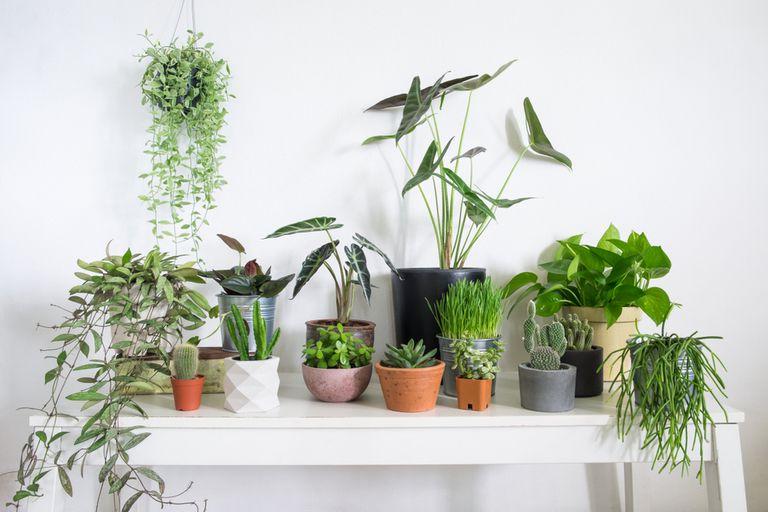
Keeping an indoor plant alive — let alone thriving — can be a daunting task. Thankfully, we have five tips to help keep your plants alive.
1. Potting and repotting
When potting a plant, choose a pot that has good drainage and always use a good quality potting mix. If you do have a pot without drainage, you can pot it in a smaller plastic pot and pop it inside.
When repotting, pick a pot that’s one size bigger than the one you have, place some firmly packed potting mix in the bottom and a small sprinkle of plant fertiliser. Give the plant a good water and gently tip the pot on its side and ease out the plant, place it in the new pot and gently fill with potting mix, press down soil and keep filling until you are about 2-4cm from the top of the pot.
2. Light
Most plants like bright indirect sunlight. Plants get their nourishment and energy from the sun so don’t be shy about placing them in bright sunlight. As the seasons change, watch the light levels and move plants closer or further away from windows. Some plants can survive in very dim light but give them a bright light holiday one day a week. Pale foliage is a sign that your plant might not be getting enough light and brown patches on leaves can mean the plant is getting singed.
3. Water
One of the most common reasons indoor plants die is overwatering. The majority of plants need to be watered once a week. Once a month place them in a sink or bucket and drench the soil and roots, then let the water drain out well before placing them back in their spots. There are a few plants that like more water, such as peace lilies, and some that like less, including ZZ plants and snake plants.
4. Humidity
Lots of indoor plants, and the majority of what we sell, originate from sub-tropical rainforest-type climates. They love a light misting daily or you can sit them in the bathroom while you take a shower.
5. Choosing plants
Pick the right plant for you and your lifestyle. If you are new to house plants, start with an easy-care plant such as a succulent or cactus, then you can graduate to other types. If you go away a lot choose a plant that can survive without attention. If you live in the city you might want to think about plants that have super air cleansing powers. The whole process of choosing plants and their weekly routine can be quite meditative. Enjoy the watering rituals you create — it’s a good chance to practise your mindfulness. Just remember once you start it’s hard to stop!

Some Choice News!
DOC is rolling out a new tool to help figure out what to tackle first when it comes to protecting our threatened species and the things putting them at risk.
Why does this matter? As Nikki Macdonald from The Post points out, we’re a country with around 4,400 threatened species. With limited time and funding, conservation has always meant making tough calls about what gets attention first.
For the first time, DOC has put real numbers around what it would take to do everything needed to properly safeguard our unique natural environment. The new BioInvest tool shows the scale of the challenge: 310,177 actions across 28,007 sites.
Now that we can see the full picture, it brings the big question into focus: how much do we, as Kiwis, truly value protecting nature — and what are we prepared to invest to make it happen?
We hope this brings a smile!


Have you got New Zealand's best shed? Show us and win!
Once again, Resene and NZ Gardener are on the hunt for New Zealand’s best shed! Send in the photos and the stories behind your man caves, she sheds, clever upcycled spaces, potty potting sheds and colourful chicken coops. The Resene Shed of the Year 2026 winner receives $1000 Resene ColorShop voucher, a $908 large Vegepod Starter Pack and a one-year subscription to NZ Gardener. To enter, tell us in writing (no more than 500 words) why your garden shed is New Zealand’s best, and send up to five high-quality photos by email to mailbox@nzgardener.co.nz. Entries close February 23, 2026.


Will these roadworks affect you?
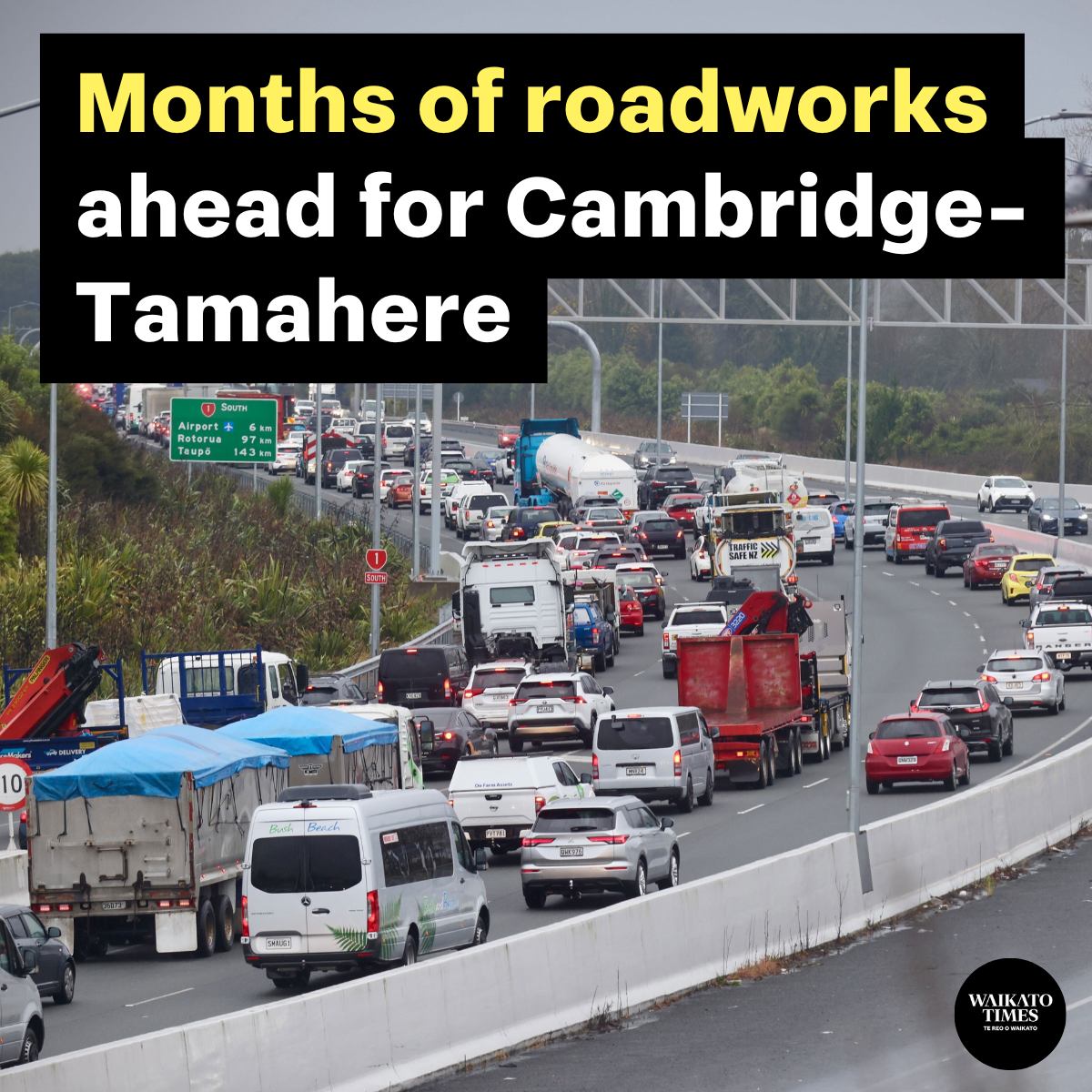
Don’t expect a quick trip between Cambridge and Tamahere for much of this year, because major roadworks are starting.
Asphalt works on that section of Waikato Expressway will run from March through to late 2026, NZ Transport Agency Waka Kotahi (NZTA) says. Motorists are warned to plan for significant delays.
“Unfortunately the pavement, particularly in the slow lanes, has deteriorated faster than expected,” NZTA’s Roger Brady said.
Will these roadworks affect you? Tell us more in the comments (adding NFP if you don't want your words used in print).
 Loading…