
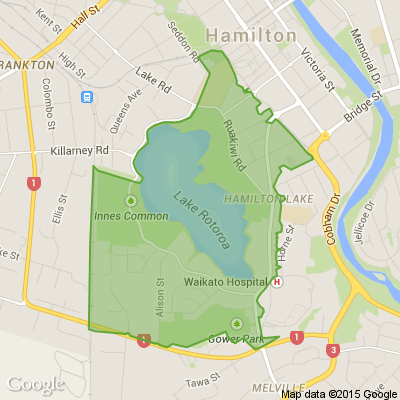






We need to talk about burn-offs and the air quality in the Waikato/Waipa
Hi Guys-
I'm concerned about interested in the air quality in Waikato at present. It's been getting worse over the past 10 years, to the extent that now you don't want to walk outside most nights due to the amount of burn-offs which're happening on farms - often containing non-wood items such as electronics, polystyrene and plastic.
This is ironic, as NZ has terribly low carbon in our soils, which is a problem for farmers. It would be made much better were the wood in question to be left to rot. And of course contaminating our soils and air with burning electronics is a bad thing.
Some suggestions:
* Woodchipping - woodchipping old trees/branches and either using the output elsewhere or spreading over a paddock so it can rot down quickly, is a good way to add carbon back into soils.
* Leaving to rot - spreading wood around the edges of a paddock and leaving it to rot is a slow option, but doesn't require a lot of effort.
* Firewood collectors - for larger logs, firewood sellers will happily tow them away. Of course, this still puts the wood in the air, rather than in the soil, but at least it keeps someone warm in winter.
For polystyrene/electronics/etc the obvious solution should be the dump or metal recyclers, where you'll get a couple of bucks for your effort at least. For batteries, Grimmer Motors in Hamilton take both household and car batteries and recycle them. Putting plastics and electronics etc in fires should be banned outright, if not prosecuted.
Thoughts? Suggestions?

Some Choice News!
DOC is rolling out a new tool to help figure out what to tackle first when it comes to protecting our threatened species and the things putting them at risk.
Why does this matter? As Nikki Macdonald from The Post points out, we’re a country with around 4,400 threatened species. With limited time and funding, conservation has always meant making tough calls about what gets attention first.
For the first time, DOC has put real numbers around what it would take to do everything needed to properly safeguard our unique natural environment. The new BioInvest tool shows the scale of the challenge: 310,177 actions across 28,007 sites.
Now that we can see the full picture, it brings the big question into focus: how much do we, as Kiwis, truly value protecting nature — and what are we prepared to invest to make it happen?
We hope this brings a smile!


Have you got New Zealand's best shed? Show us and win!
Once again, Resene and NZ Gardener are on the hunt for New Zealand’s best shed! Send in the photos and the stories behind your man caves, she sheds, clever upcycled spaces, potty potting sheds and colourful chicken coops. The Resene Shed of the Year 2026 winner receives $1000 Resene ColorShop voucher, a $908 large Vegepod Starter Pack and a one-year subscription to NZ Gardener. To enter, tell us in writing (no more than 500 words) why your garden shed is New Zealand’s best, and send up to five high-quality photos by email to mailbox@nzgardener.co.nz. Entries close February 23, 2026.


Will these roadworks affect you?
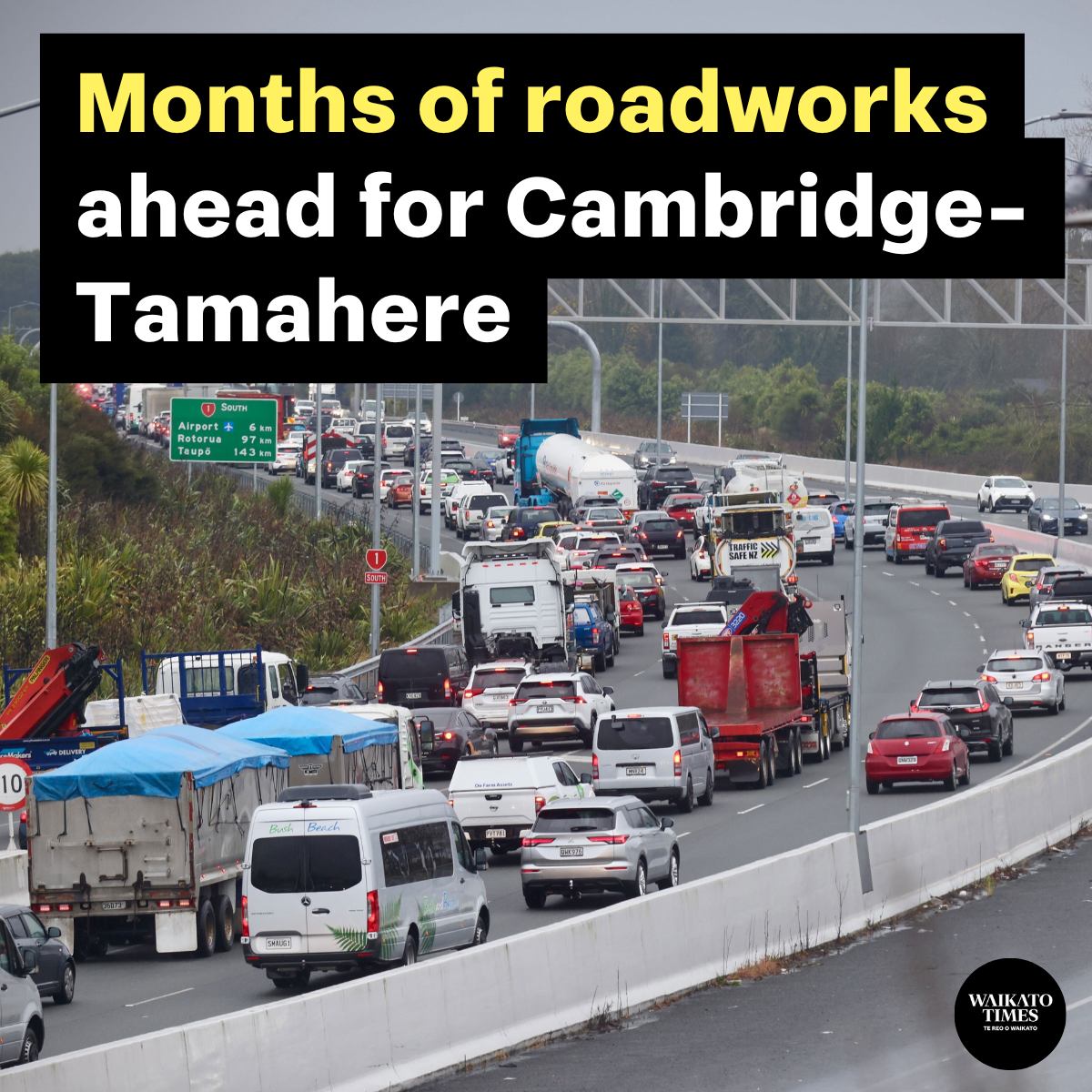
Don’t expect a quick trip between Cambridge and Tamahere for much of this year, because major roadworks are starting.
Asphalt works on that section of Waikato Expressway will run from March through to late 2026, NZ Transport Agency Waka Kotahi (NZTA) says. Motorists are warned to plan for significant delays.
“Unfortunately the pavement, particularly in the slow lanes, has deteriorated faster than expected,” NZTA’s Roger Brady said.
Will these roadworks affect you? Tell us more in the comments (adding NFP if you don't want your words used in print).
 Loading…