





EarthDiverse: History of Ukraine Zoom course
Trying to make sense of the current war in the Ukraine? Join EarthDiverse for 6 consecutive one-and-a-half hour weekly sessions via Zoom with Dr Alexander Maxwell, PhD (Victoria University of Wellington) for our newest course entitled "History of Ukraine." In the first half of each session Dr Maxwell details the historical background and the second half of each class is devoted to discussion around the issues raised during the question and answer period.
This course begins on Friday 13 January, 3:00-4:30pm (New Zealand Time). See our website for other Time Zone equivalents around the world.
For more info, costs and registration please visit our website. While there, check out our other courses as well!
#ukraine #history #zoom #education #diversity #earthdiverse


🧩😏 Riddle me this, Neighbours…
I am an odd number. Take away a letter and I become even. What number am I?
Do you think you know the answer?
Want to stop seeing these in your newsfeed? No worries! Simply head here and click once on the Following button.


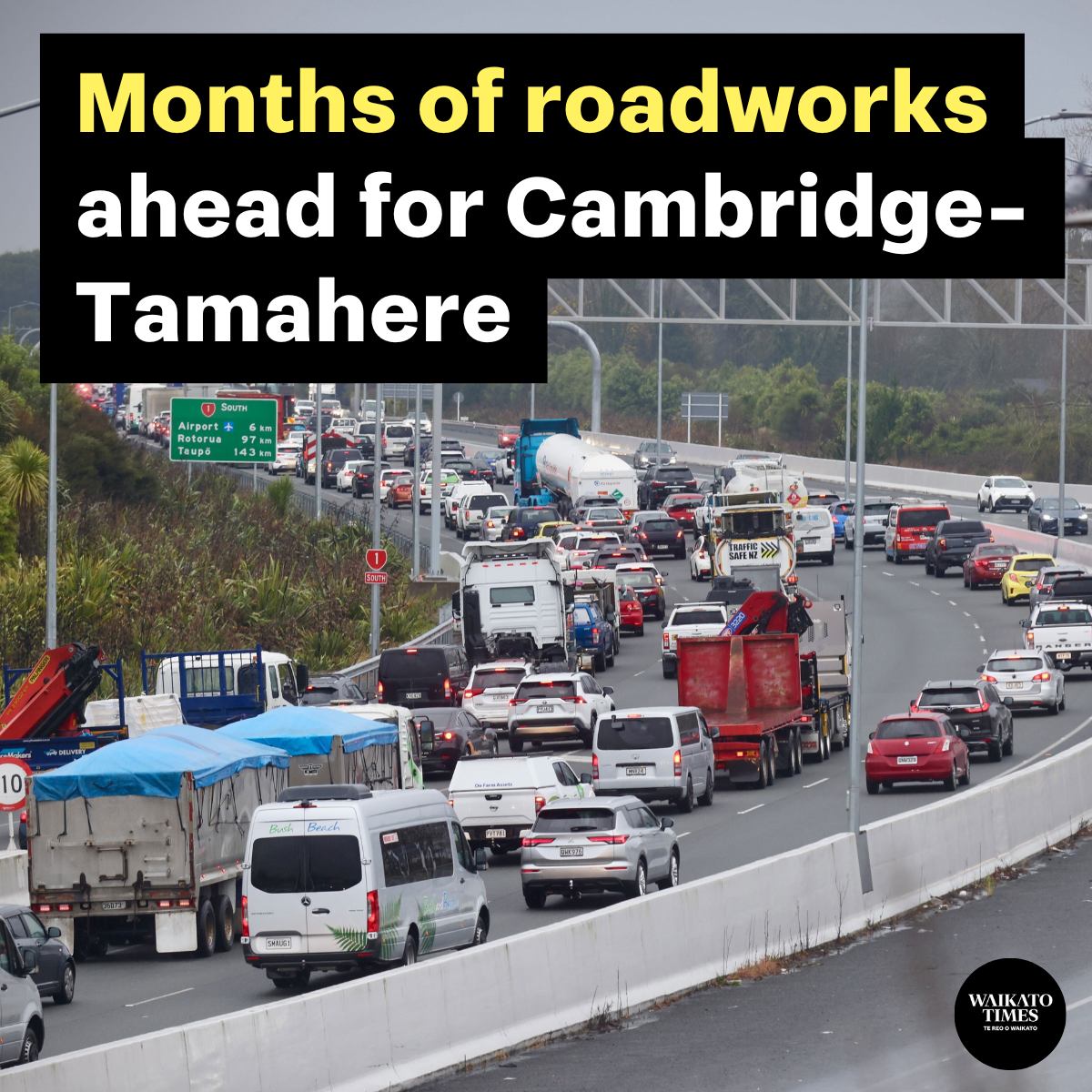
Will these roadworks affect you?
Don’t expect a quick trip between Cambridge and Tamahere for much of this year, because major roadworks are starting.
Asphalt works on that section of Waikato Expressway will run from March through to late 2026, NZ Transport Agency Waka Kotahi (NZTA) says. Motorists are warned to plan for significant delays.
“Unfortunately the pavement, particularly in the slow lanes, has deteriorated faster than expected,” NZTA’s Roger Brady said.
Will these roadworks affect you? Tell us more in the comments (adding NFP if you don't want your words used in print).

Scam Alert: Bank cold calls
ASB is warning customers about reports of cold calls from scammers claiming to be from ASB. These scammers are trying to obtain personal information, including usernames, dates of birth, and verification codes sent to your mobile phone.
🛡️ The "Caller Check" Test
If you get a call from someone claiming to be from ASB and you’re unsure, just ask them for a Caller Check. You will then be able to verify the call through the app.
Remember, banks will:
❌ Never ask for your banking passwords, PINs, or verification codes
❌ Never need to know your full credit card number – especially the CVC
❌ Never ask you to download software or remotely access your device
❌ Never ask you to purchase gift cards or transfer funds.
If you have received a phone call and think your account has been compromised, call ASB on 0800 ASB FRAUD (0800 272 372), or visit your local branch.
 Loading…