




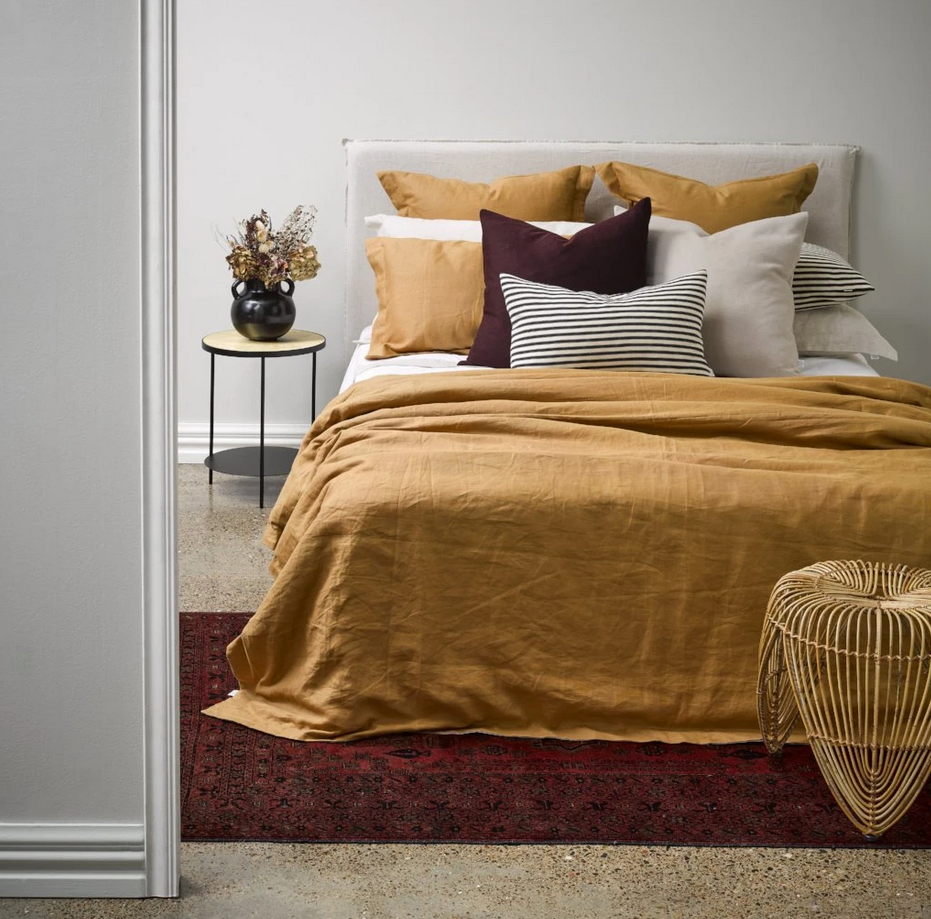
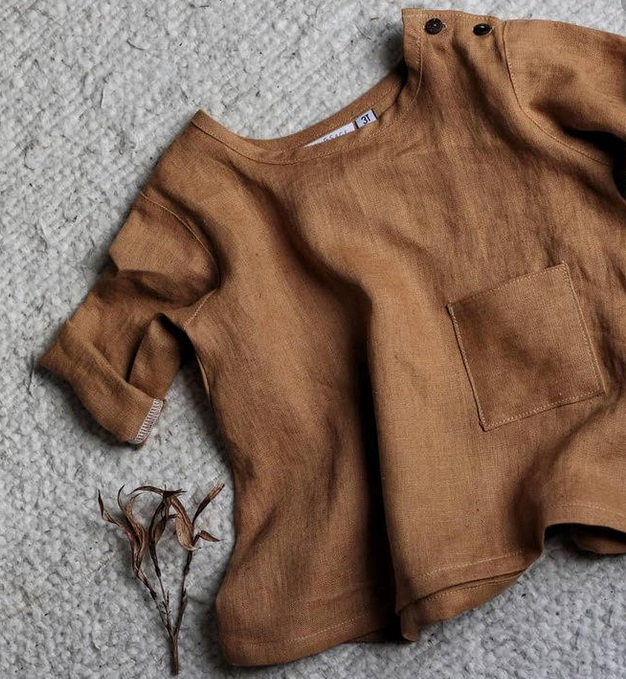
Why do we love Linen?
As we all known that Linen is a natural fibre. linen is one of the earliest natural plant fibres that have been used for more than 10,000 years.
Flax fibre is a rare natural fibre, accounting for only 1.5% of the total fibre. Due to its natural and ancient nobility and high quality, it is known as the fibre queen. It comes from the stems of the flax plant. linen fabric or weave is produced of fibre of the flax plant.
Why do people love linen fabric so much? Let's look at his benefits.
1. Its cultivation requires less pesticides and fertilisers
Flax, the source material for linen, is undemanding when not vulnerable to pests (compared to cotton). Useful animals like insects are not eradicated and cultivation is more environmentally friendly. Yay.
2. Linen does not require artificial watering
Flax is very adaptable. It simply takes what is there and normally does not require further artificial irrigation.
3. It can be cultivated locally
That means the linen is not shipped through half of the world to get processed in the factories. Rather, ways are short and direct.
4. It has a high yield
Flax has a high yield. That means, that in a specific area many plants can grow and be harvested.
5. Flax can be used in a crop rotation system
In contrast to monocultures, a crop rotation system is healthy and nutritional for the soil where it is planted and does also help insects to be able to feed from different plants.
6. Linen is diverse
Flax can not only be used for clothing. That means, that a high share of the whole plant can be used to produce a variety of goods. This prevents waste and helps different industries.
7. Linen is durable
The final fabric is durable and easy to take care of. When not too dirty, you can simply hang it outside and it will lose its smell quickly, just like wool does.
8. It has super nice properties on your skin
Linen has a special cooling effect and is therefore ideal for warm days. Also, it is strong, lightweight, and most importantly, durable, so you can use it for a long time!
9. Linen has history
The Egyptians used linen thousands of years ago (rich and poor Egyptians alike) and there is evidence that as long as 34,000 BC, people were using linen-like clothing.
10. Linen is biodegradable
Linen is compostable and will therefore not lie on landfills years and years after being disposed. It will either be composted or recycled if you dispose of it correctly.
If you own linen curtains - we can clean them! We take extra measures to prevent shrinking and they are pressed after cleaning so they stay hanging beautifully. See our website to book your curtains in. www.curtainclean.co.nz...

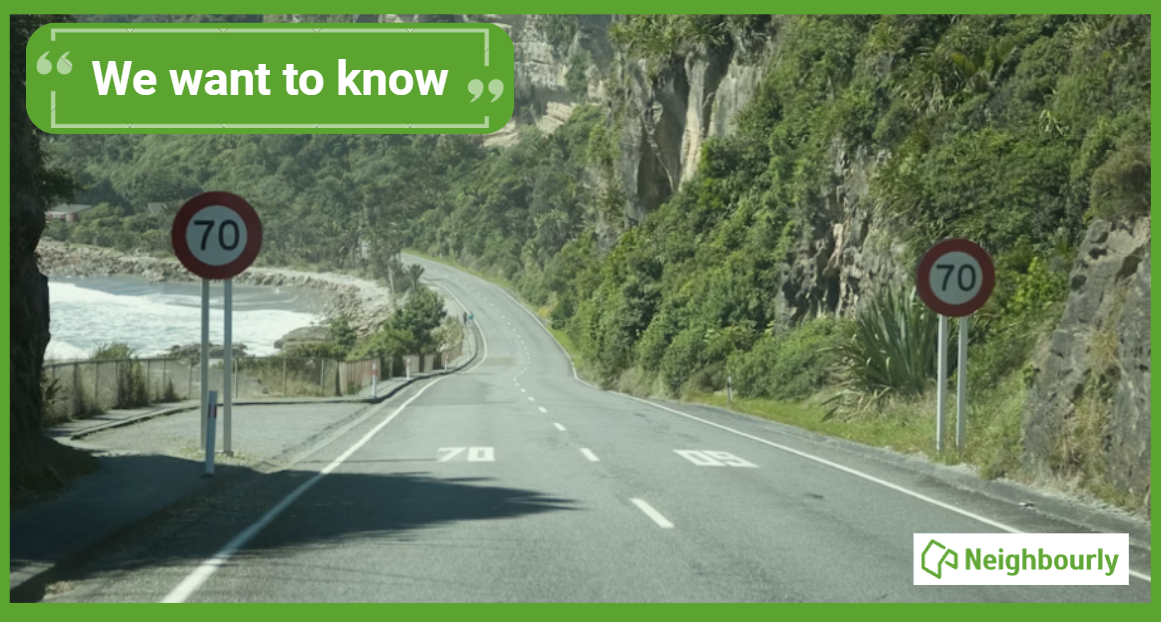
Poll: If we want to reduce speeding, what do you think actually changes driver behaviour? 🛻🚨🚓
In the Post's article on speeding penalties, the question is asked whether speeding fines are truly about road safety, or are they just a way to boost revenue for the Crown?
What do you think? Should speeding motorists receive speeding fines or demerit points?
-
36.2% The sting of a fine (Money talks!)
-
63.8% The threat of demerit points (Nobody wants to lose their license!)

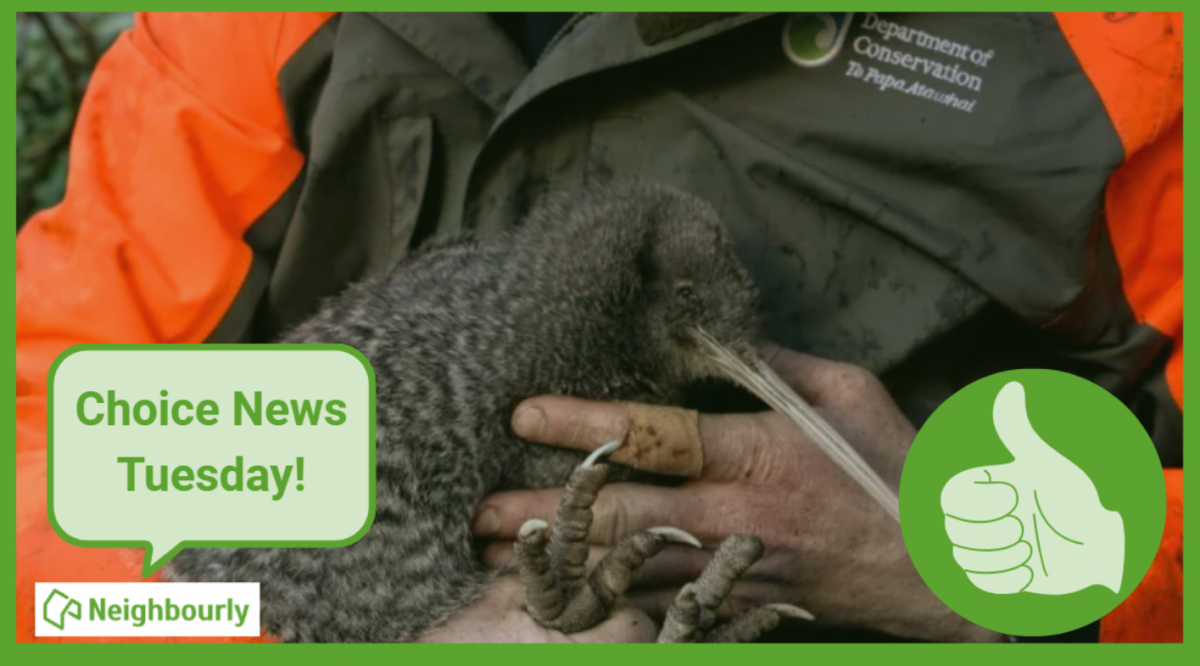
Some Choice News!
DOC is rolling out a new tool to help figure out what to tackle first when it comes to protecting our threatened species and the things putting them at risk.
Why does this matter? As Nikki Macdonald from The Post points out, we’re a country with around 4,400 threatened species. With limited time and funding, conservation has always meant making tough calls about what gets attention first.
For the first time, DOC has put real numbers around what it would take to do everything needed to properly safeguard our unique natural environment. The new BioInvest tool shows the scale of the challenge: 310,177 actions across 28,007 sites.
Now that we can see the full picture, it brings the big question into focus: how much do we, as Kiwis, truly value protecting nature — and what are we prepared to invest to make it happen?
We hope this brings a smile!

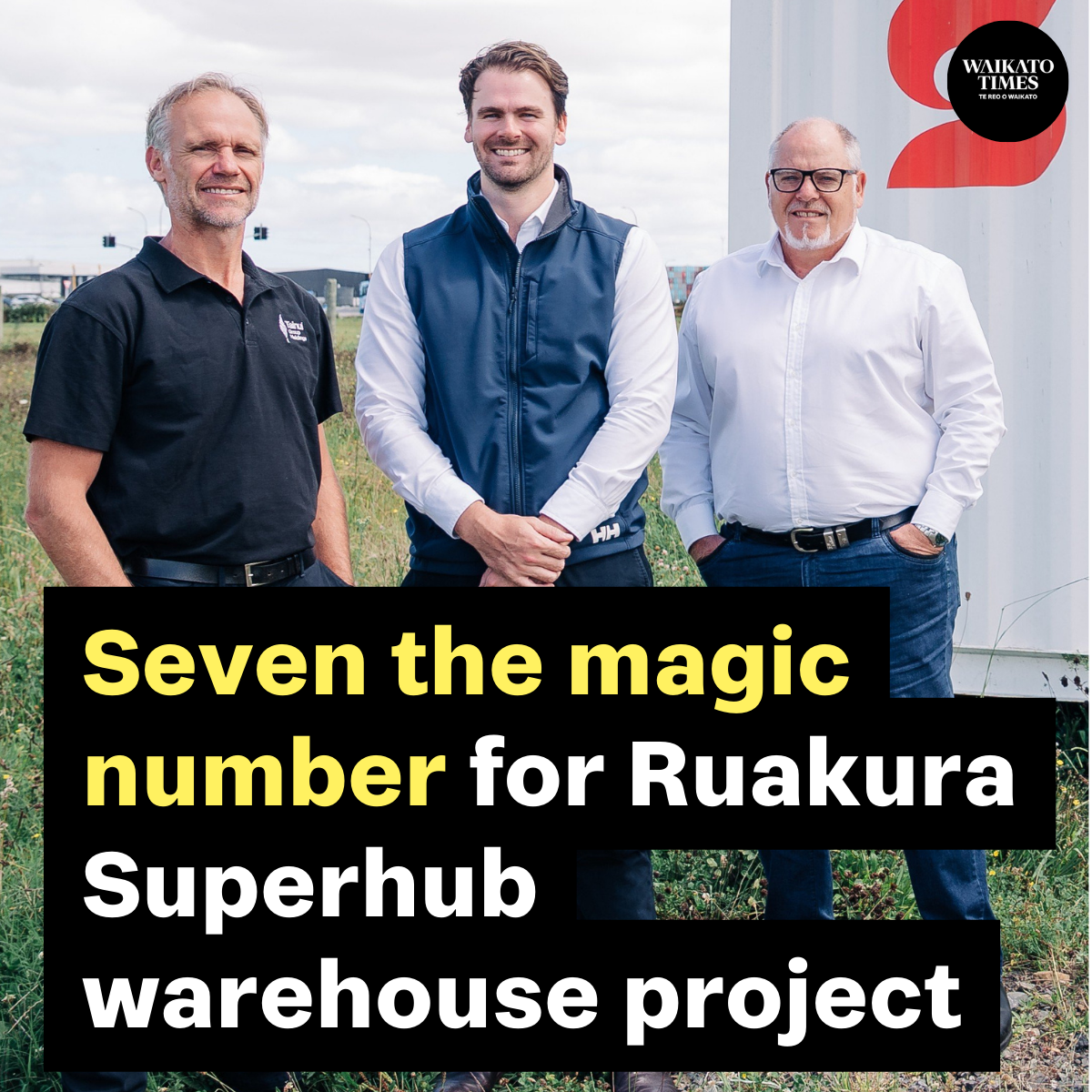
Seven the magic number for Ruakura Superhub warehouse project
It’s not quite the seven wonders of the ancient world, but the seven warehouses of the Ruakura Superhub are promising big things.
The new addition close by the inland port on the outskirts of the city will augment the numerous multi-million dollar investments already there.
 Loading…