





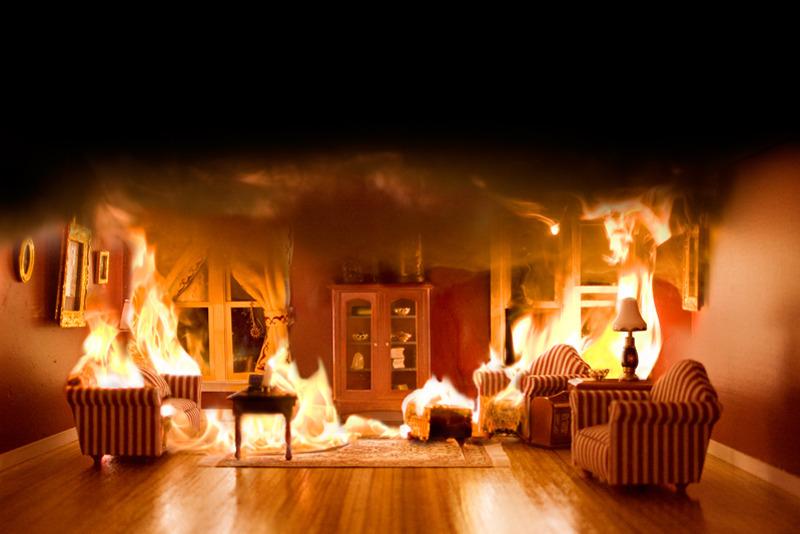
DIY Protecting your home from fires
1. Check your smoke alarms
Smoke alarms provide an early warning in case of a fire inside your home. Traditional alarms beep when they detect smoke or fire, while smart detectors also send an alert to your phone. There should be a smoke detector in every room in your house except bathrooms, for maximum protection. You also need one in the hallway between the living area and bedrooms.
Crucially, you are highly advised to test your smoke alarms at least once a year to ensure they still work. You are four times more likely to die in a house fire without a functioning smoke alarm!
2. Get a fire extinguisher
Having a fire extinguisher handy can make the difference between a small kitchen mishap that was successfully contained, and the house literally burning down. There are different types of fire extinguisher, classified according to the kind of fire they’re designed to tackle. Make sure you are aware of what the differences are and how to use each one in an emergency situation. A typical home extinguisher should have an ABC rating:
• Class A – combustibles such as wood, paper, cloth, rubber, household rubbish, most plastics
• Class B – flammable liquids, solvents, oil, petrol, paints and lacquers
• Class C – gases including methane, propane, hydrogen, acetylene and natural gas
• Class D – combustible metals including magnesium and aluminium swarf
• Class E – Electrical fires
• Class F – chip pan fires, as an alternative to a fire blanket
3. Create a fire stopping landscape
A fire originating from outside, such as a wildfire, is best thwarted by preventing it from reaching your house in the first place. You can use landscape gardening design to slow down or stop the spread of fire towards your home, by adhering to these tips:
• Use hard landscaping such as concrete, stone or gravel around the house
• Clear any dry vegetation from around the home, particularly in the summer
• Use fire resistant plants such as lavender and honeysuckle for soft landscaping, and spread them out, to slow down fire and stop it from spreading
• Keep outdoor plants well watered during the summer months. Lush green planting is less likely to burn.
4. Use fire retardant materials
Let’s start with building materials; some are more vulnerable to fire than others. Using fire retardant alternatives and fireproofing your interiors are good first lines of defence against a potentially serious tragedy. Make the changes when you are refurbishing or redecorating your home. The Building.govt.nz website has a comprehensive list of everything you can do to help prevention of fire occurring. Designing for fire can also be designing for sustainability which is without a doubt a win-win!
When it comes to materials, concrete panels, stucco or brick for exterior walls, steel framing for windows and concrete or metal for roofing are all good choices. Fire retardant paint is also a good idea. For decking, concrete, tiles, stone or brick are better than wood.
Inside your home, choose fire resistant curtains and upholstery fabrics. Additional flameproofing can also be administered to your existing home fabrics and upholstered furniture in situ. Curtain Clean can service your existing upholstery anywhere in the country. Call us on 0800 579 0501 for prices and to find out more see www.curtainclean.co.nz...

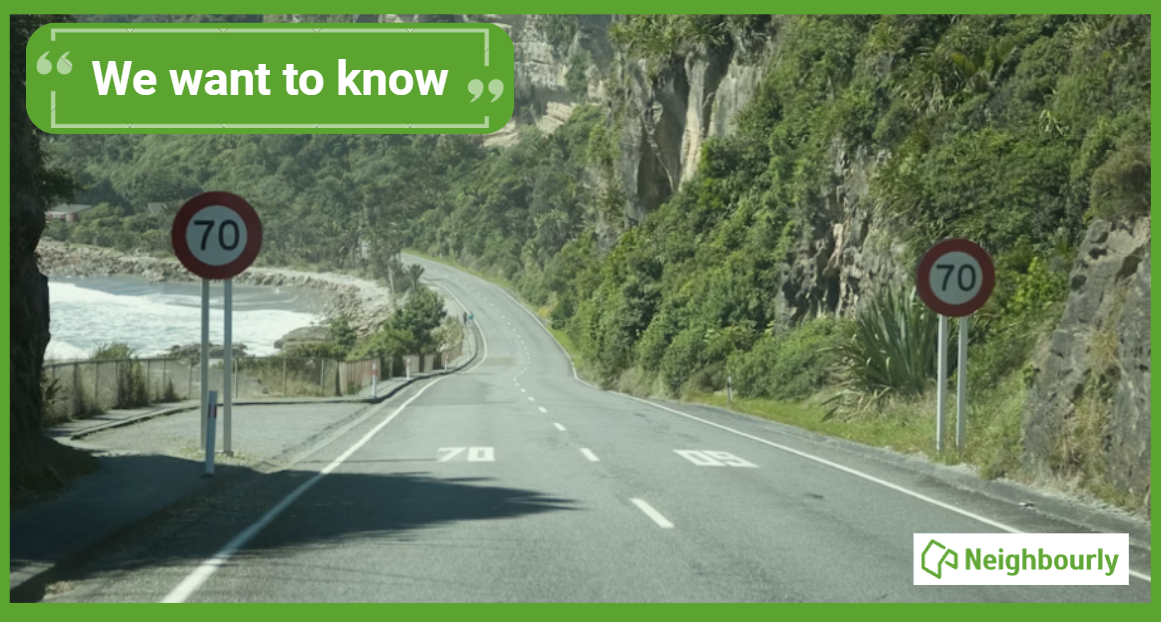
Poll: If we want to reduce speeding, what do you think actually changes driver behaviour? 🛻🚨🚓
In the Post's article on speeding penalties, the question is asked whether speeding fines are truly about road safety, or are they just a way to boost revenue for the Crown?
What do you think? Should speeding motorists receive speeding fines or demerit points?
-
36.2% The sting of a fine (Money talks!)
-
63.8% The threat of demerit points (Nobody wants to lose their license!)

New Hamilton Maccas aims to be NZ’s number one
The white cross adorning the former Gateway Church on Victoria Street will soon be replaced by the golden arches of fast food giant McDonald’s.
And the owners are pledging to make the restaurant the number one Maccas in the country.


Some Choice News!
DOC is rolling out a new tool to help figure out what to tackle first when it comes to protecting our threatened species and the things putting them at risk.
Why does this matter? As Nikki Macdonald from The Post points out, we’re a country with around 4,400 threatened species. With limited time and funding, conservation has always meant making tough calls about what gets attention first.
For the first time, DOC has put real numbers around what it would take to do everything needed to properly safeguard our unique natural environment. The new BioInvest tool shows the scale of the challenge: 310,177 actions across 28,007 sites.
Now that we can see the full picture, it brings the big question into focus: how much do we, as Kiwis, truly value protecting nature — and what are we prepared to invest to make it happen?
We hope this brings a smile!

 Loading…