




For the Love of Velvet
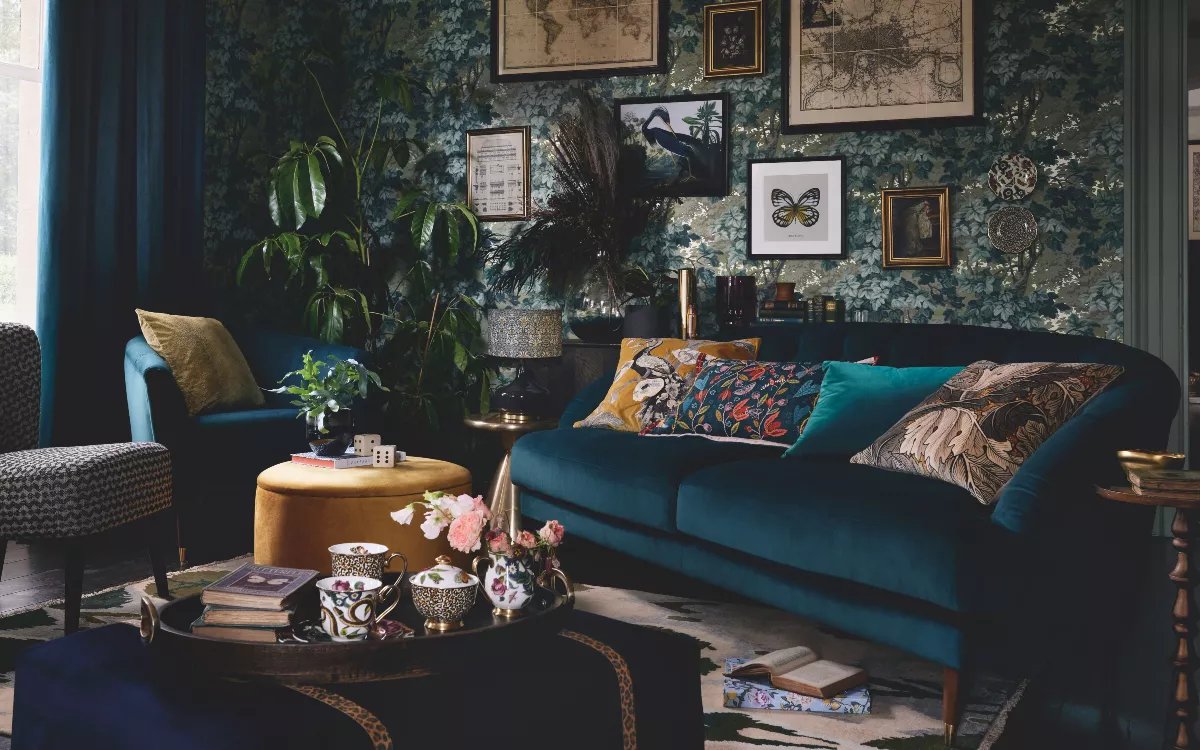
For anyone wanting to add everlasting interest to their home, you can’t look past velvet! This is a fabric that’s as rich in textile history as it is in texture with incredible durability that may surprise you.
Velvet fabric fuses a historical sense of luxury and indulgence with a plush, practical comfort that has a timeless style, sure to outlast any momentary design trends. With its silky sheen and rich colours, velvet holds a specific seductive quality that no eye for elegance can resist the allure of.
For a fabric that feels like a soft, buttery hug the unique piles have a hard-wearing quality that will ensure your velvet curtains, cushions or furniture will continue to be loud and daring or subtly sophisticated for years to come.
History of Velvet
The history of velvet is one of luxury and meticulous construction. It is believed the material was first introduced in Baghdad around 750 A.D. The original velvet material was made from silk and therefore naturally reserved for royalty and other notably wealthy classes that could afford the exorbitant cost.
Velvet eventually travelled to Europe on the Silk Road and gained popularity during the Renaissance. At the same time, new loom technology lowered the production costs and therefore widened the availability to fabric lovers of all classes. Fast-forward to the 21st century and velvet fabric can be found in almost every home, transcending and outlasting interior trends to suit any home decor for years on end.
How is Velvet Made?
Velvet is made in a very unique way. It is woven on a double piece loom that makes two pieces of fabric simultaneously with the velvet pile encased in the middle. It is then separated, creating the three-dimensional texture velvet is known for.
While the first velvets were made from silk, more recent adaptations in the production process means velvets can now be made from natural or synthetic fibres such as polyester, nylon, viscose, or rayon.
Classic plain velvet will then be sheared to ensure the pile is a consistent length and often brushed while moist to achieve a nice uniform grain across the fabric. If the fabric is destined to boast a pattern, at this point in the process it will be crushed, embossed or snipped to different lengths to ensure this pattern is part of the pile’s identity for the life of the fabric.
Velvet is then dyed to produce amazing, rich colours that are accentuated by the three-dimensional texture.
Durability of Velvet
Due to the aura of luxury surrounding velvet and the fact that it was originally made from silk, there’s a preconception that it’s delicate and requires gentle, loving care to stay pristine. We’re here to set the record straight!
Keep reading: www.curtainclean.co.nz...

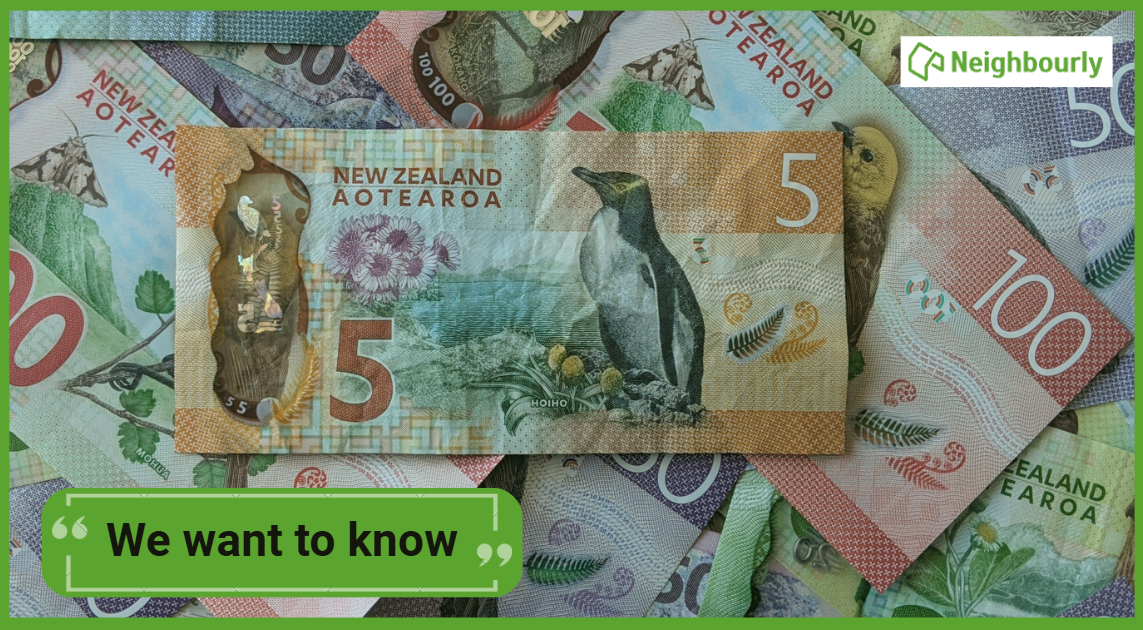
Poll: Should the government levy industries that contribute to financial hardship?
As reported in the Post, there’s a $30 million funding gap in financial mentoring. This has led to services closing and mentors stepping in unpaid just to keep helping people in need 🪙💰🪙
One proposed solution? Small levies on industries that profit from financial hardship — like banks, casinos, and similar companies.
So we want to hear what you think:
Should the government ask these industries to contribute?
-
59.5% Yes, supporting people is important!
-
26.1% No, individuals should take responsibility
-
14.4% ... It is complicated

Brain Teaser of the Day 🧠✨ Can You Solve It? 🤔💬
Make a hearty dish. Take just half a minute. Add four parts of kestrel. Then just add one. What have you made?
(Trev from Silverdale kindly provided this head-scratcher ... thanks, Trev!)
Do you think you know the answer? Simply 'Like' this post and we'll post the answer in the comments below at 2pm on the day!
Want to stop seeing these in your newsfeed? No worries! Simply head here and click once on the Following button.


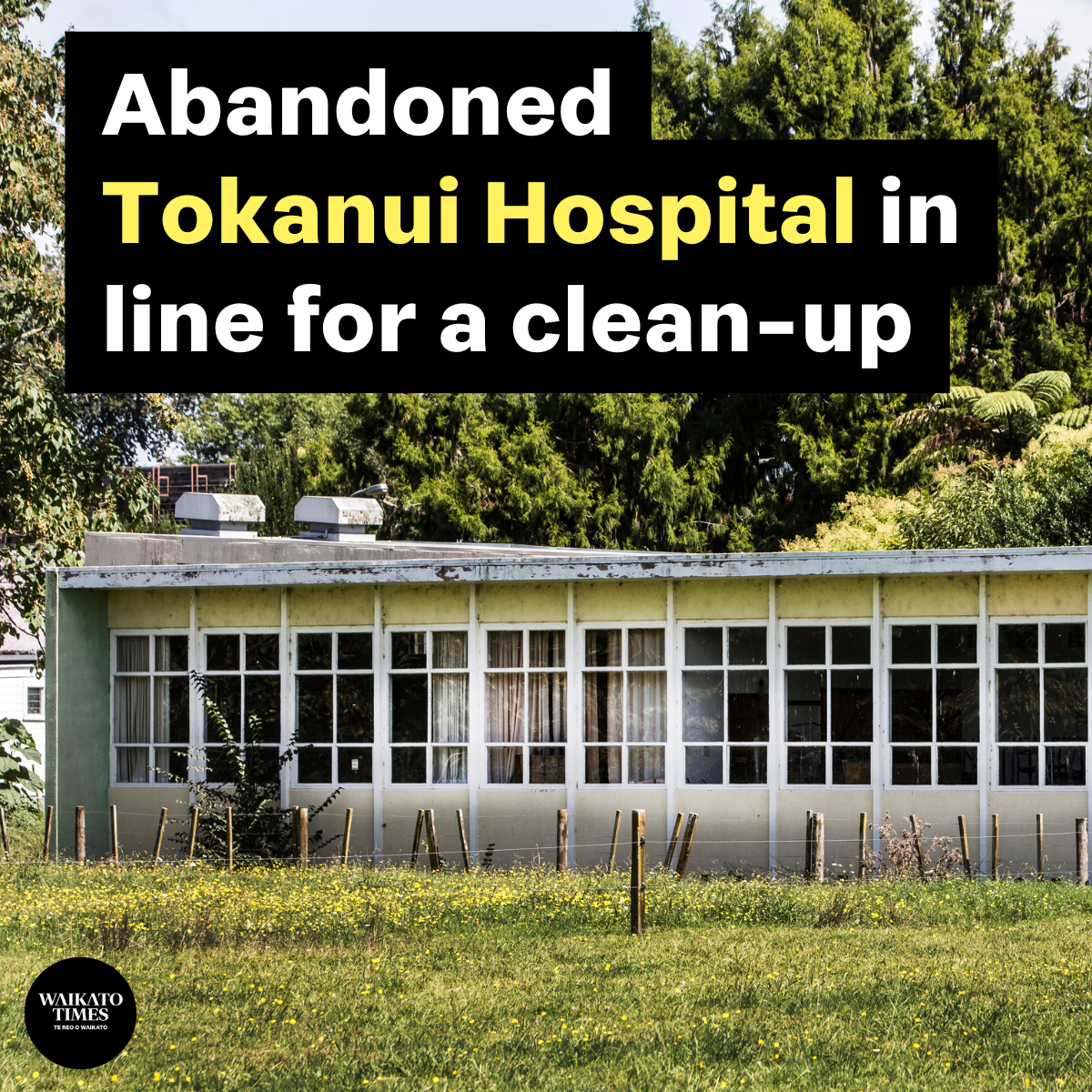
Derelict Tokanui Hospital site in line for a clean-up
Derelict Tokanui Hospital buildings will be demolished and contaminated land cleaned up so the site can be offered back to iwi.
The former psychiatric hospital, southeast of Te Awamutu, sits on land taken from Ngāti Maniapoto under the Public Works Act in 1910.
 Loading…