





Epilepsy and children
Epilepsy affects 1 in 100 people, and most have their first seizure in childhood. The largest group of people with epilepsy is children under the age of five.
There are many types of seizures with varying degrees of severity. Some types of childhood seizures are benign (the child grows out of them and his/her development and intellect are usually normal). Some types are more serious and are associated with other problems. If your child has a syndrome you can receive more information from this website. www.epilepsy.org.uk...
Children with epilepsy have a wide range of learning abilities. Epilepsy does not necessarily
hinder learning and skill development, but many children do experience learning issues which may include ongoing motor skills or cognitive functions, as well as a difficulty acquiring new skills or knowledge.
Anti-epilepsy drugs (AEDs) are commonly used for the treatment of epilepsy and most children’s seizures are controlled with their use. All medication needs to be taken regularly every day, and compliance in taking them is essential in maintaining seizure control. Status epilepticus (or non-stop seizures) is a serious medical emergency. Phone 111 for help.
All AEDs can cause unwanted side effects and an epilepsy specialist will work to alleviate them where possible. Report all side effects to your specialist. It is important that your child remains on his/her medication at all times unless directed otherwise by your epilepsy specialist.
Establish with the epilepsy specialist a comprehensive care plan for your child.
For those children with refractory epilepsy, the ketogenic diet (which is high fat, adequate protein, low carbohydrate) has been used to treat seizures, and is often seen as a last resort. The body burns fat, not sugar, for energy (ketosis). The ketogenic diet is rigid, and strictly calculated, and requires commitment by both the parent and child. Children on this diet cannot deviate from it. Specialist advice and support are essential.
Some children with uncontrolled seizures may be candidates for surgery, or the use of a vegal nerve stimulator. Your epilepsy professional can advise about these options to help establish seizure control for your child.
Safety in the home and at school is important for all children with epilepsy. A risk management plan should be formulated with your child’s classroom teacher and school
Ask for information, help and support from your EWCT epilepsy adviser
Help your child to enjoy his/her life.


Don't overthink this riddle...
I have a silver sole
but no feet,
I make my living by bringing the heat.
What am I?
Do you think you know the answer? Simply 'Like' this post if you know the answer and the big reveal will be posted in the comments at 2pm on the day!
Want to stop seeing these in your newsfeed?
Head here and hover on the Following button on the top right of the page (and it will show Unfollow) and then click it. If it is giving you the option to Follow, then you've successfully unfollowed the Riddles page.

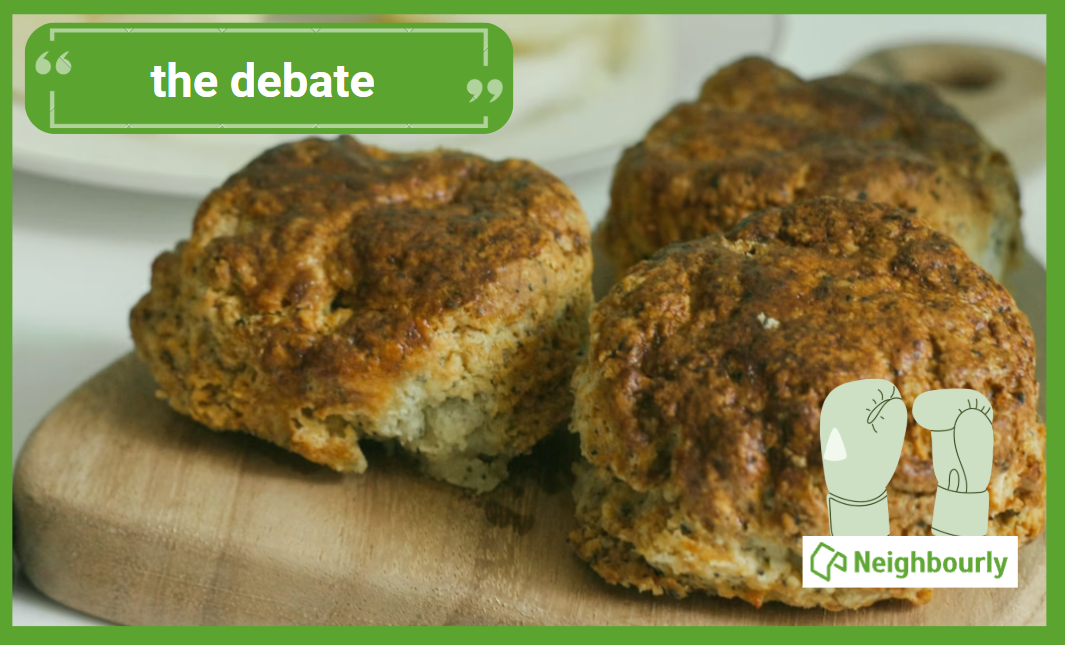
Poll: Does a savoury scone require cheese on top, or folded inside?
Help settle the great kiwi debate ... cheese on top, or folded inside?
-
76.4% Inside!
-
23.6% On top!

‘Simply irresponsible’: Wallaby likely kept as pet in Hamilton, regional council says
A wallaby spotted in Hamilton was probably kept as a pet, the regional council says - and that’s “simply irresponsible”.
The dama wallaby, which had an immature joey in its pouch, was spotted in Frankton on March 3, reported and killed, Waikato Regional Council says.

 Loading…