





How to Clean Your Washing Machine
Dirt, mould, and other grimy residue can build up inside your washer over time. Learn how to clean a washing machine, including front-loading and top-loading machines, to get your laundry as clean as possible.
Your washing machine’s main job is to clean your clothes, but did you know you should clean your washing machine at least once a month? With just a few supplies you can easily clean your washing machine to keep it looking and smelling like new.
The dirt that disappears from your clothes, towels, and sheets has to go somewhere, which means grime can build up inside your washing machine over time. Without regular cleaning, the appliance might also harbour leftover detergent, hard-water deposits, and mould or mildew around the lid. This can leave a residue on laundry or cause items to emerge from the wash with a funky smell. To ensure your freshly washed clothes and linens are as clean as possible, follow these steps on how to clean a washing machine once a month. These instructions work for cleaning front-loading and top-loading washing machines, but there are a few special considerations for both types.
If your washing machine has a self-clean function, choose that cycle and follow the manufacturer's instructions to clean the inside of the machine. Otherwise, you can use this simple, three-step process to eliminate build-up in washing machine hoses and pipes and ensure your clothes stay fresh and clean.
Step 1: Run a Hot Cycle with Vinegar
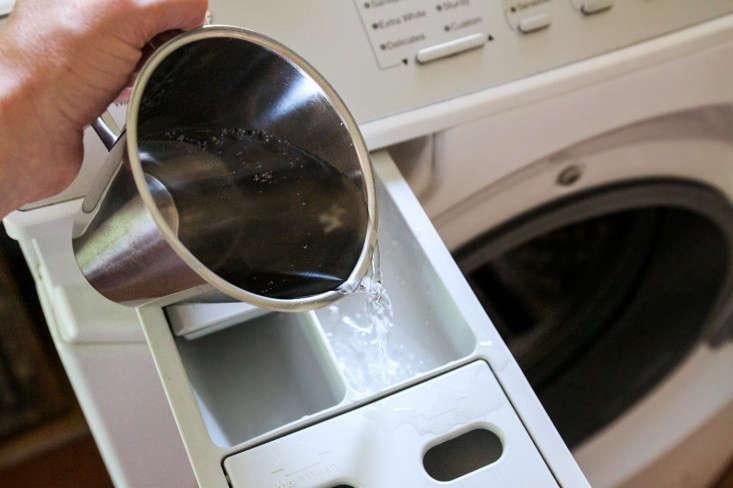
Run an empty, regular cycle on hot, using two cups of white vinegar instead of detergent. Add the vinegar to the detergent dispenser. (Don't worry about harming your machine, as white vinegar will not damage clothes.) The hot water-vinegar combo removes and prevents bacteria growth. Vinegar can also act as a deodorizer and cut through mildew odours.
Step 2: Scrub the Inside and Outside of the Washing Machine
In a bucket or nearby sink, mix about 1/4 cup vinegar with a quart of warm water. Use this mixture, plus a sponge and dedicated toothbrush, to clean the inside of the machine. Pay special attention to dispensers for fabric softener or soap, the inside of the door, and around the door opening. If your soap dispenser is removable, soak it in the vinegar water before scrubbing. Give the machine's exterior a wipe down, too.
Step 3: Run a Second Hot Cycle
Run one more empty, regular cycle on hot, without detergent or vinegar. If desired, add 1/2 cup baking soda to the drum to help clear away build-up loosened from the first cycle. After the cycle is complete, wipe out the inside of the drum with a microfiber cloth to remove any remaining residue.
Keep reading: www.curtainclean.co.nz...

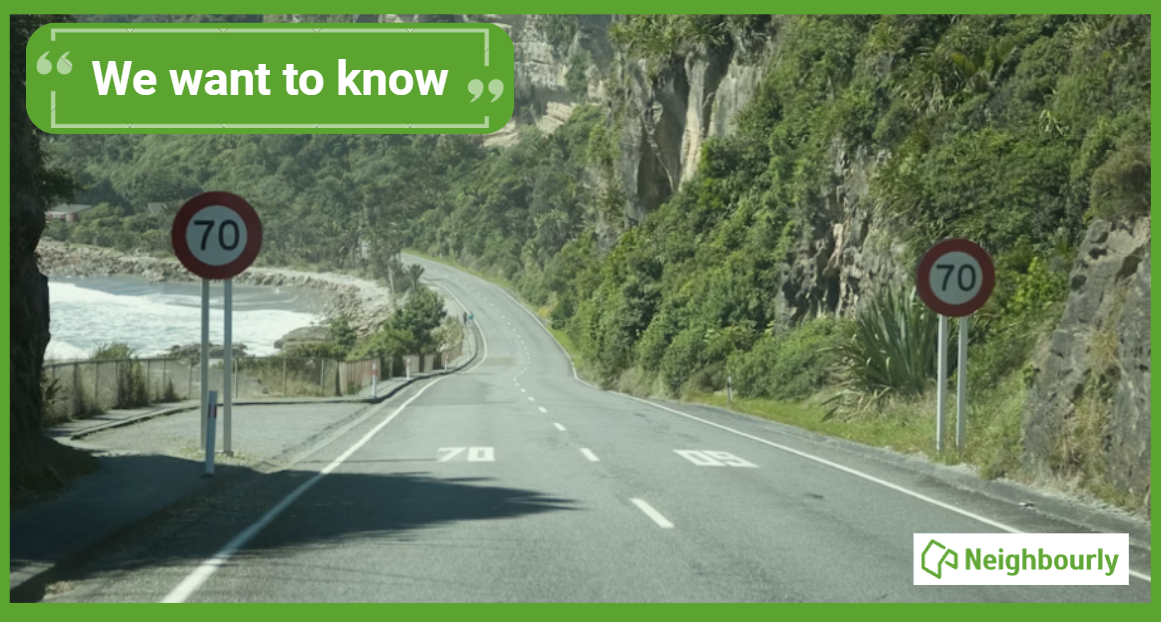
Poll: If we want to reduce speeding, what do you think actually changes driver behaviour? 🛻🚨🚓
In the Post's article on speeding penalties, the question is asked whether speeding fines are truly about road safety, or are they just a way to boost revenue for the Crown?
What do you think? Should speeding motorists receive speeding fines or demerit points?
-
38.3% The sting of a fine (Money talks!)
-
61.7% The threat of demerit points (Nobody wants to lose their license!)

Some Choice News!
DOC is rolling out a new tool to help figure out what to tackle first when it comes to protecting our threatened species and the things putting them at risk.
Why does this matter? As Nikki Macdonald from The Post points out, we’re a country with around 4,400 threatened species. With limited time and funding, conservation has always meant making tough calls about what gets attention first.
For the first time, DOC has put real numbers around what it would take to do everything needed to properly safeguard our unique natural environment. The new BioInvest tool shows the scale of the challenge: 310,177 actions across 28,007 sites.
Now that we can see the full picture, it brings the big question into focus: how much do we, as Kiwis, truly value protecting nature — and what are we prepared to invest to make it happen?
We hope this brings a smile!


🎉 Riddle me this, legends! 🎉
He/She who makes it, sells it.
He/She who buys it, doesn't use it.
The user doesn't know they are using it.
What is it?
(Shezz from Ngāruawāhia kindly provided this head-scratcher ... thanks, Shezz!)
Do you think you know the answer? Simply 'Like' this post if you know the answer and the big reveal will be posted in the comments at 2pm on the day!
Want to stop seeing these in your newsfeed?
Head here and hover on the Following button on the top right of the page (and it will show Unfollow) and then click it. If it is giving you the option to Follow, then you've successfully unfollowed the Riddles page.
 Loading…