





Care Labelling
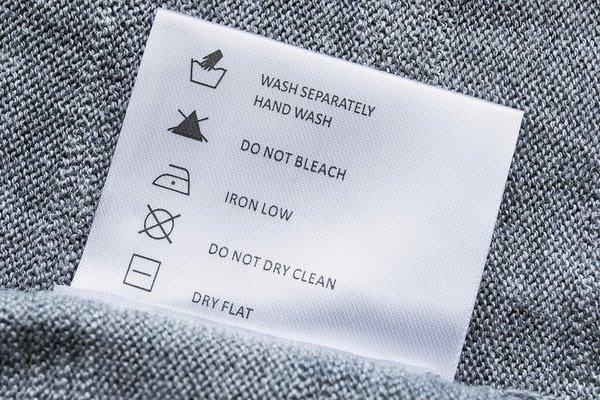
It is mandatory under the Consumer Information Standards (Care Labelling) Regulations 2000 for many new textile goods supplied in New Zealand to comply with specific sections of the Standard AS/NZS 1957:1998 Textiles – Care labelling.
The purpose of the care labelling consumer information standard is to make sure that:
• consumers are aware of the method and cost of caring for textile products when they are buying them
• a cleaner can confidently use the information to take care of the textiles
• the textile’s life is not shortened by inappropriate care information or no information
• the textile is not damaged or destroyed by inappropriate care.
It is illegal to supply textile goods that do not comply with this standard and the regulations.
The regulations set out the types of textile goods covered by the standard and what parts of the standard apply to New Zealand.
The standard sets out the words, terms and symbols to use on a label to show the correct way to care for textile goods, including dry-cleaning and washing.
The regulations are issued under section 27 of the Fair Trading Act 1986.
Who do the regulations apply to?
Any person supplying, offering to supply or advertising the supply of new textiles, that require care labelling information, must comply with the regulations. Any person includes retailers, importers, distributors and manufacturers.
Types of supply include textile goods for sale in a shop, on internet auction sites, at markets or stalls or in craft shops.
What textile items have to be labelled with care information?
The care labelling standard contains more details and requirements, some of which are very technical. You should read both the regulations and the standard to make sure you understand all the labelling requirements.
Keep reading: www.curtainclean.co.nz...

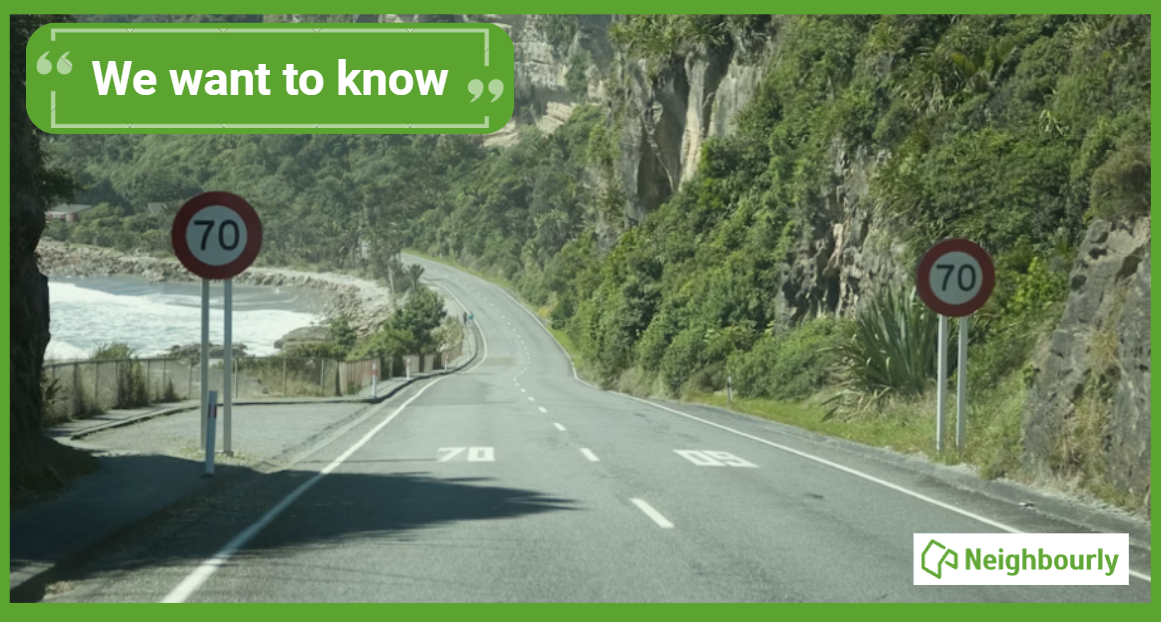
Poll: If we want to reduce speeding, what do you think actually changes driver behaviour? 🛻🚨🚓
In the Post's article on speeding penalties, the question is asked whether speeding fines are truly about road safety, or are they just a way to boost revenue for the Crown?
What do you think? Should speeding motorists receive speeding fines or demerit points?
-
36.2% The sting of a fine (Money talks!)
-
63.8% The threat of demerit points (Nobody wants to lose their license!)
🪱🐦 When are you the most productive? 🌙🦉
The Post has been diving into our daily habits, and research suggests being an early bird or a night owl isn’t just a choice—it’s biology! We all have that specific time when our brains finally "click" into gear.
This raises a big question for the modern workplace. To get the best out of everyone, should employers accommodate our natural body clocks? This idea is at the heart of the four-day work week and flexible scheduling movements.
We want to hear from you:
1. When does your brain "click" into gear?
2. Would a flexible (or shortened) schedule change the way you work?


🎉 Riddle me this, legends! 🎉
He/She who makes it, sells it.
He/She who buys it, doesn't use it.
The user doesn't know they are using it.
What is it?
(Shezz from Ngāruawāhia kindly provided this head-scratcher ... thanks, Shezz!)
Do you think you know the answer? Simply 'Like' this post if you know the answer and the big reveal will be posted in the comments at 2pm on the day!
Want to stop seeing these in your newsfeed?
Head here and hover on the Following button on the top right of the page (and it will show Unfollow) and then click it. If it is giving you the option to Follow, then you've successfully unfollowed the Riddles page.
 Loading…