




Unravelling textile testing - Colourfastness
Unravelling textile testing - Colourfastness
Colourfastness is one of four key topics (others include Abrasion Resistance, Pilling, Seam Slippage) that we are covering to provide some background as to how we test and why.
Test results provide us with critical information about textile’s durability and suitability for certain applications. We externally test all James Dunlop and Mokum textiles in Melbourne at a highly reputable laboratory who are amongst the most conservative and stringent in the world, due to the extremely harsh environmental conditions we face here in Australia and New Zealand.
We have gathered a number of frequently asked questions relating to colourfastness so we asked our Mokum studio designers Stephanie Moffitt and Annie Moir to share their expert knowledge.
One of the most important textile tests is that of colourfastness.
Simply put, a colourfastness test measures how well a textile will resist or withstand fading. Fading typically means a change in colour which may be a change in hue, depth or brightness of colour. We perform a range of different colourfastness tests when developing a new textile, we test its resistance to fading against UV light, as well as washing / dry cleaning and also rubbing.
Can you briefly outline the colourfastness to washing/ laundering test?
Colourfastness to washing and/or dry cleaning measures a fabrics ability to withstand fading or colour loss from laundering. The test replicates specific cleaning methods then measures any colour loss against a set of five grey scales, creating a result (1 being least colourfast and 5 being most colourfast). In this instance, a result of 4-5 is the result we strive for.
One question pops up a lot, if a product is machine washable can it be spot cleaned?
We would always approach spot cleaning with water or a cleaning product with caution. Most of our washable textiles are rating as delicate or gentle washing which means a delicate setting and we would prefer a delicate washing liquid. Whereas spot clean tends to be more localised and more aggressive. If spot clean is needed always first try a dry white clean cloth, to reduce any colour loss as this often can remove a stain.
Can you briefly outline the colourfastness to rubbing test?
Colourfastness to rubbing, or commonly known as ‘crocking’ measures fabric resistance to colour loss when subjected to rubbing or friction from another fabric. This is particularly relevant for upholstery textiles – you can imagine wearing white pants and sitting on a dark coloured sofa, you’d want to be confident that when you stand up your pants haven’t changed colour.
With this test, a white cloth is used as a standard abradant, and rubbed against the test fabric in both in both dry and wet conditions, with wet being more severe. Any colour transfer onto the white cloth, and colour loss from the test fabric is analysed and measured against a set of 5 grey scales (1 being least colourfast and 5 being most colourfast). The result we receive from the lab helps us to determine the recommended usage for the upholstery fabric.

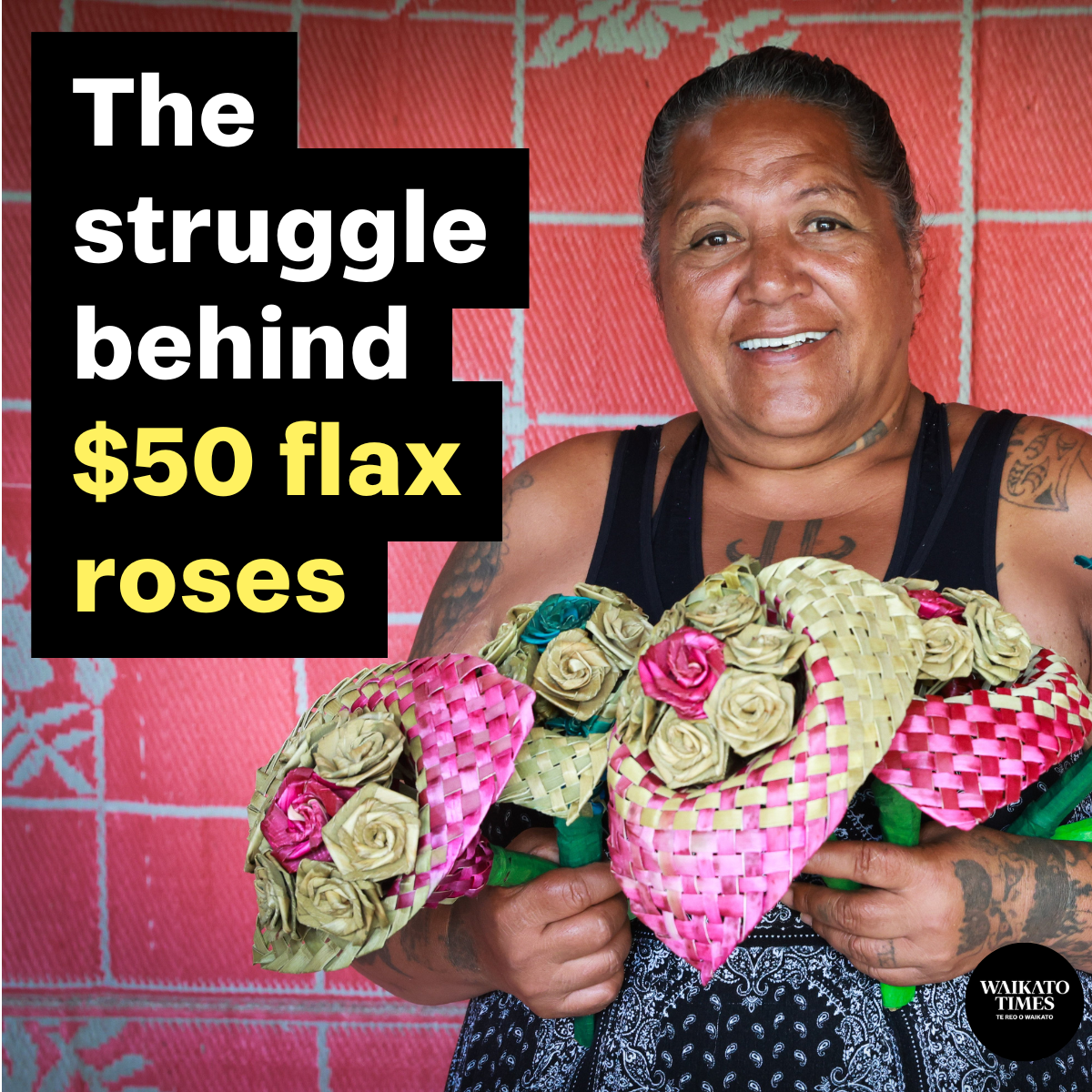
Hamilton woman’s $50 flax roses are helping her family get by
Marama Wade sits outside her River Rd home selling harakeke roses for $50, trying to keep food on the table and the rent paid.
The 54-year-old said the reason she’s out there is simple, especially with Valentine’s Day approaching.
“We’re broke. The reality is life is hard.”

Poll: Should the government levy industries that contribute to financial hardship?
As reported in the Post, there’s a $30 million funding gap in financial mentoring. This has led to services closing and mentors stepping in unpaid just to keep helping people in need 🪙💰🪙
One proposed solution? Small levies on industries that profit from financial hardship — like banks, casinos, and similar companies.
So we want to hear what you think:
Should the government ask these industries to contribute?

-
60.6% Yes, supporting people is important!
-
23.5% No, individuals should take responsibility
-
15.9% ... It is complicated
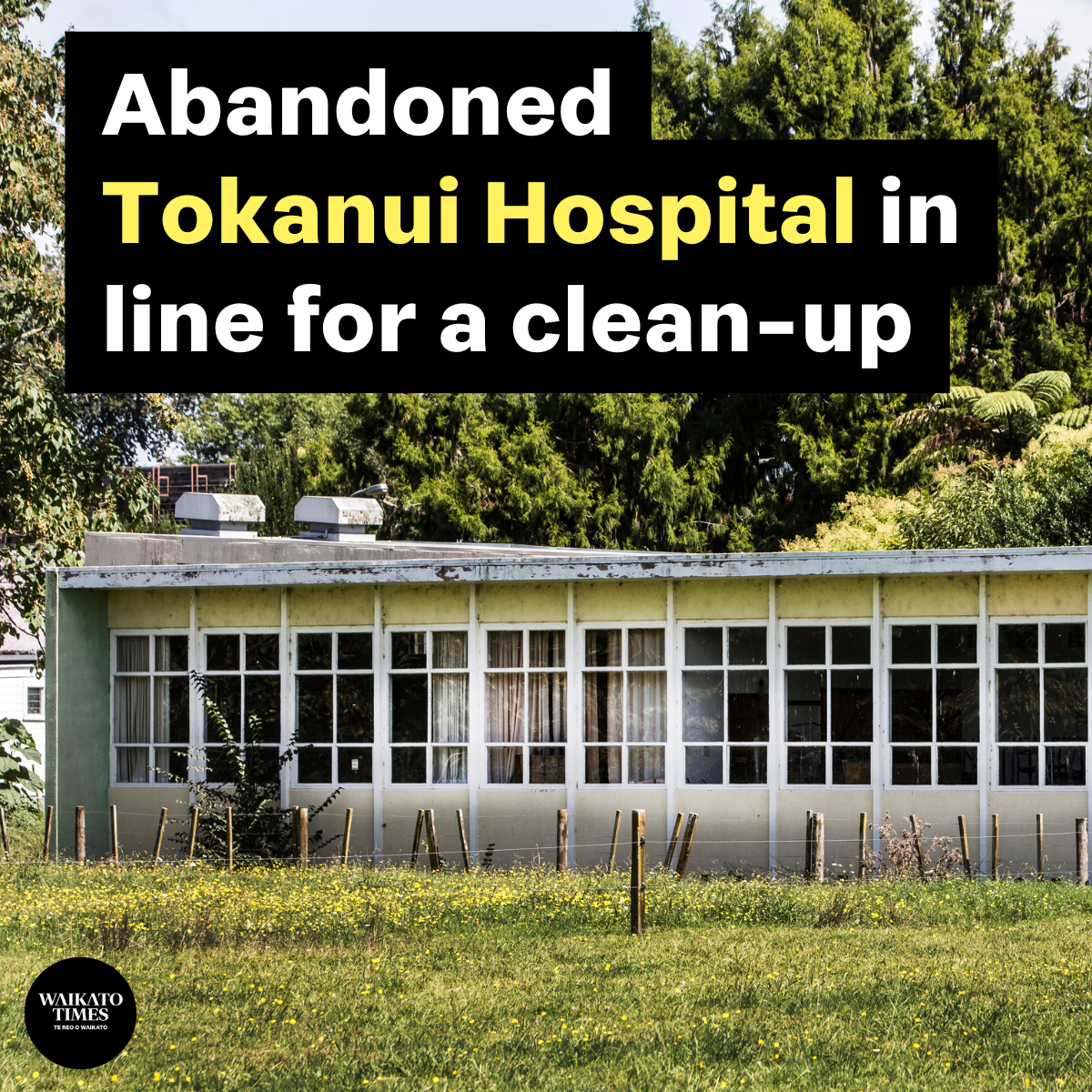
Derelict Tokanui Hospital site in line for a clean-up
Derelict Tokanui Hospital buildings will be demolished and contaminated land cleaned up so the site can be offered back to iwi.
The former psychiatric hospital, southeast of Te Awamutu, sits on land taken from Ngāti Maniapoto under the Public Works Act in 1910.
 Loading…