




🚨 Scam Alert: Impersonators on Neighbourly
We’ve recently been made aware of individuals pretending to be Neighbourly Admin and using a forged Neighbourly logo to trick members into sharing personal information.
Please remember:
🔴 Never click on suspicious or unexpected links.
🔴 If something doesn’t feel right, reach out to us directly at helpdesk@neighbourly.co.nz
While Neighbourly does ask members to verify their details using document submissions, your confidential information (like bank details or spending history) should always be hidden. For verification, we only need to see:
✔️ Your name, and your residential address
✔️ The logo or header from the issuing organisation
You can learn more about how verification works here: Neighbourly Verification
Stay safe and thank you for helping keep our community secure! 💚
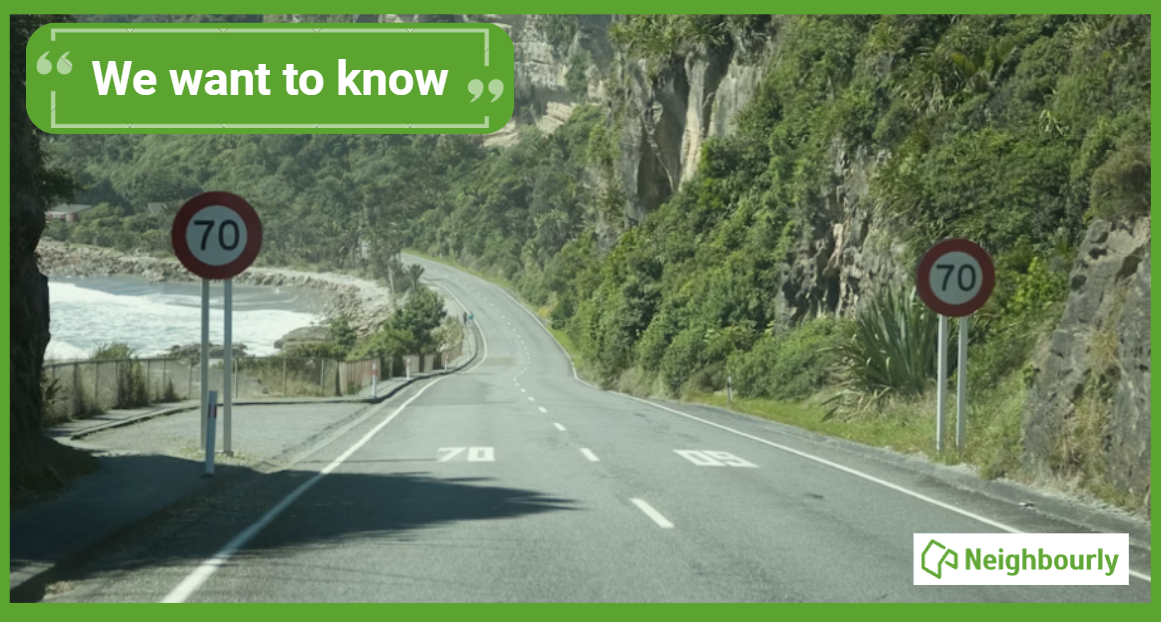
Poll: If we want to reduce speeding, what do you think actually changes driver behaviour? 🛻🚨🚓
In the Post's article on speeding penalties, the question is asked whether speeding fines are truly about road safety, or are they just a way to boost revenue for the Crown?
What do you think? Should speeding motorists receive speeding fines or demerit points?
-
37.5% The sting of a fine (Money talks!)
-
62.5% The threat of demerit points (Nobody wants to lose their license!)

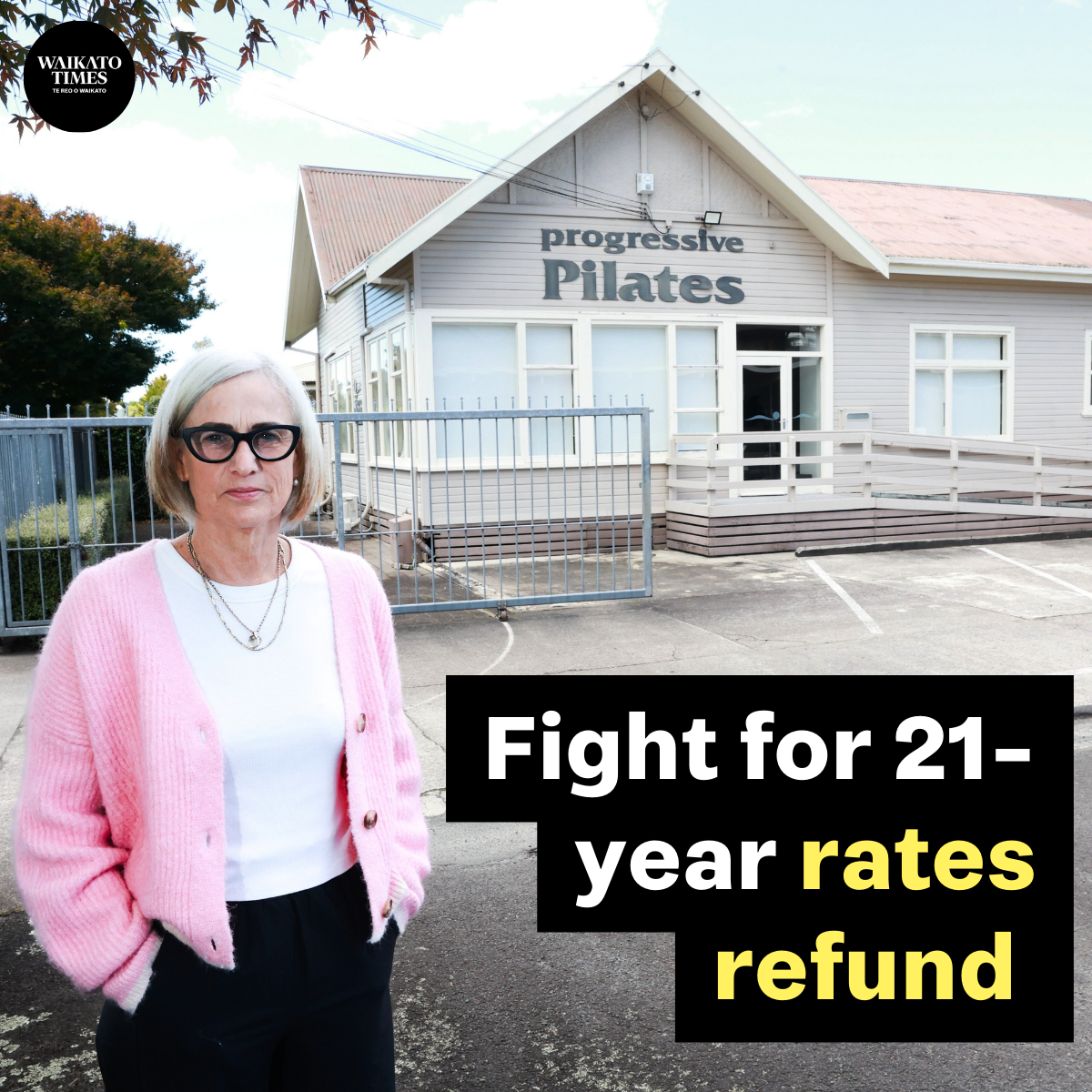
Hamilton woman fights for 21-year rates refund after council admits mistake
A pilates studio owner whose rates were overcharged for 21 years is fighting to get the money refunded by the city council.
Progressive Pilates owner Sonia Lidington estimated she had paid an extra $20,000 over the years, but Hamilton City Council has said it can only refund her $7416.

Some Choice News!
DOC is rolling out a new tool to help figure out what to tackle first when it comes to protecting our threatened species and the things putting them at risk.
Why does this matter? As Nikki Macdonald from The Post points out, we’re a country with around 4,400 threatened species. With limited time and funding, conservation has always meant making tough calls about what gets attention first.
For the first time, DOC has put real numbers around what it would take to do everything needed to properly safeguard our unique natural environment. The new BioInvest tool shows the scale of the challenge: 310,177 actions across 28,007 sites.
Now that we can see the full picture, it brings the big question into focus: how much do we, as Kiwis, truly value protecting nature — and what are we prepared to invest to make it happen?
We hope this brings a smile!

 Loading…