





Natures Bounty | Bast is Best
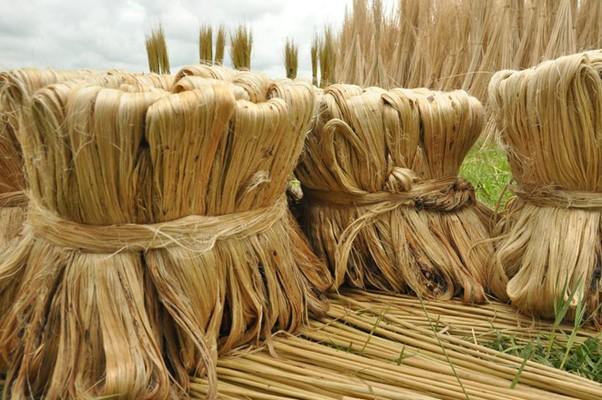
Commonly known as ‘soft’ fibres, bast fibres are the fine, flexible fibres obtained from the stems of dicotyledonous plants.
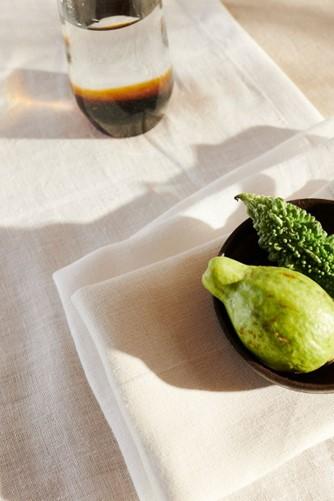
Bast fibres have been used to manufacture ropes, sacks, sails, and other industrial fabrics for hundreds of years. Commonly known as ‘soft’ fibres, bast fibres are the fine, flexible fibres obtained from the stems of dicotyledonous plants. A sustainable choice, bast fibres support regenerative agricultural practices that can help the soil sequester carbon and as a natural resource, are entirely biodegradable. In this article we will investigate four of the most utilised bast fibres: flax, hemp, ramie, and jute.
Between the epidermis (the outermost layer of cells) and the core of the plant’s stems are soft, woody fibre bundles or strands which can be over one metre long. The strands are composed of individual filaments made up of cellulose and hemicellulose cells bonded together by pectin or lignin, a cohesive gum which strengthens the stem of the plant.
During harvest the stems are cut close to the ground and the fibres are separated either through a natural decomposition process called retting (engaging moisture and bacteria to rot away the gummy cellular tissues) or by decortication (peeling the stems manually or mechanically). After retting, the fibres can be mechanically extracted through a process known as scutching.
In contrast to bast fibres, leaf fibres are obtained from the leaves of monocotyledonous plants with parallel-veined leaves, such as grasses, lilies, orchids, and palms. The long, stiff fibres of plants including abaca, cantala, Mauritius hemp, and sisal are generally used to create cordage or ropes, however, due to labour-intensive harvesting processes they are used less frequently than synthetic options.
Flax (Linen): Famously grown across northern France, Belgium, the Netherlands, and Ireland, flax is the most popular and strongest of the bast fibres. Wild flax fibres found in the Upper Palaeolithic layers of a Georgian cave indicate that humans have been crafting cords and weaving flax baskets for over 30,000 years.
Keep reading: www.curtainclean.co.nz...

Poll: Should the government levy industries that contribute to financial hardship?
As reported in the Post, there’s a $30 million funding gap in financial mentoring. This has led to services closing and mentors stepping in unpaid just to keep helping people in need 🪙💰🪙
One proposed solution? Small levies on industries that profit from financial hardship — like banks, casinos, and similar companies.
So we want to hear what you think:
Should the government ask these industries to contribute?
-
59.5% Yes, supporting people is important!
-
26.2% No, individuals should take responsibility
-
14.4% ... It is complicated

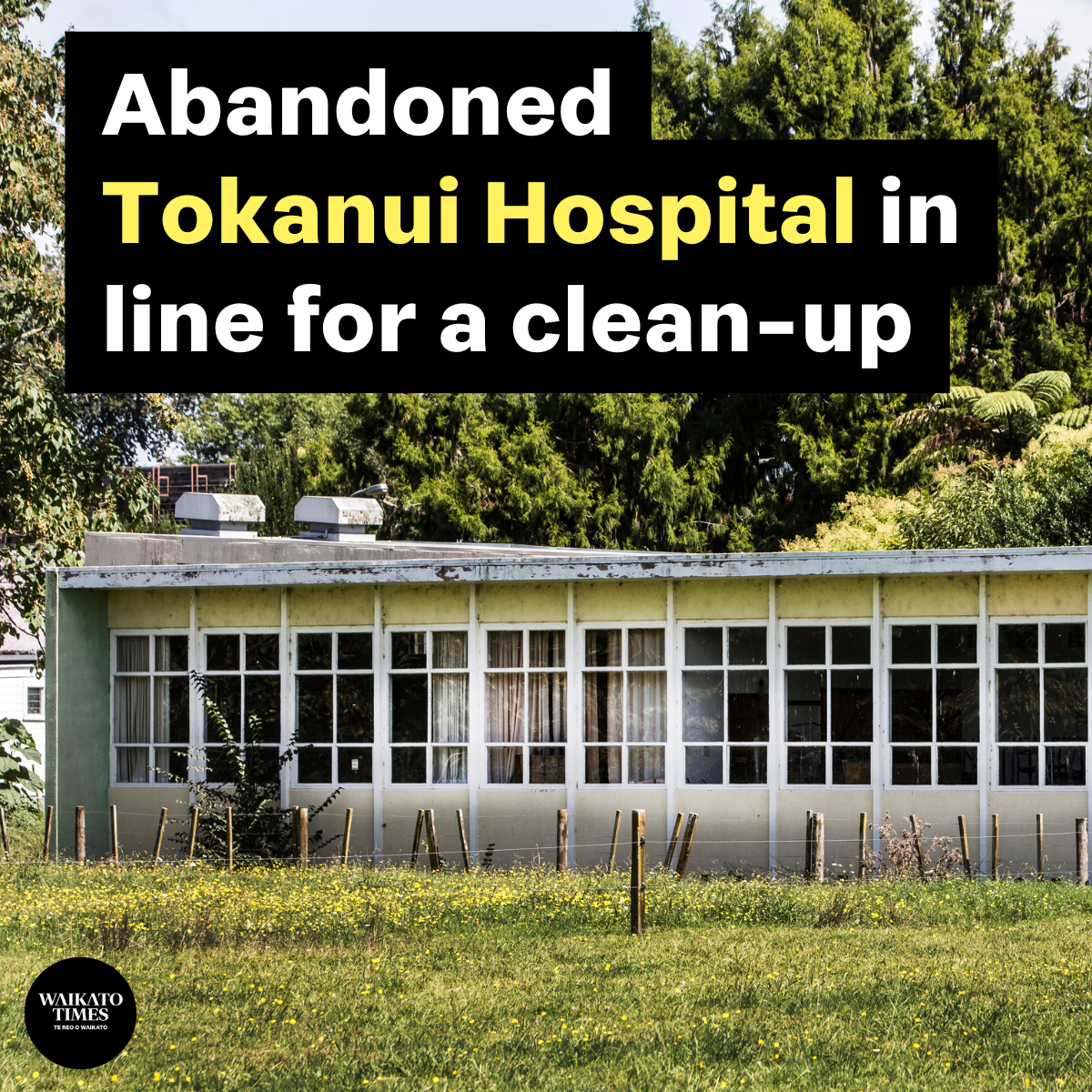
Derelict Tokanui Hospital site in line for a clean-up
Derelict Tokanui Hospital buildings will be demolished and contaminated land cleaned up so the site can be offered back to iwi.
The former psychiatric hospital, southeast of Te Awamutu, sits on land taken from Ngāti Maniapoto under the Public Works Act in 1910.
Poll: Are you a Te Huia fan?
All three Hamilton MPs appear to be united behind the retention of the Te Huia passenger rail service between Hamilton and Auckland, as well as potentially expanding it to Tauranga.
But whether Hamilton East’s Ryan Hamilton, Hamilton West’s Tama Potaka and soon-to-be Labour list MP Georgie Dansey have the combined power to shunt transport minister Chris Bishop and Prime Minister Christopher Luxon onto their line of thinking remains to be seen.
Are you a Te Huia fan? Tell us more in the comments (adding NFP if you don't want your words used in print).

-
81.6% Yes
-
18.4% No
 Loading…