





Wool is 100% Biodegradable
HOW DOES WOOL BIODEGRADE?
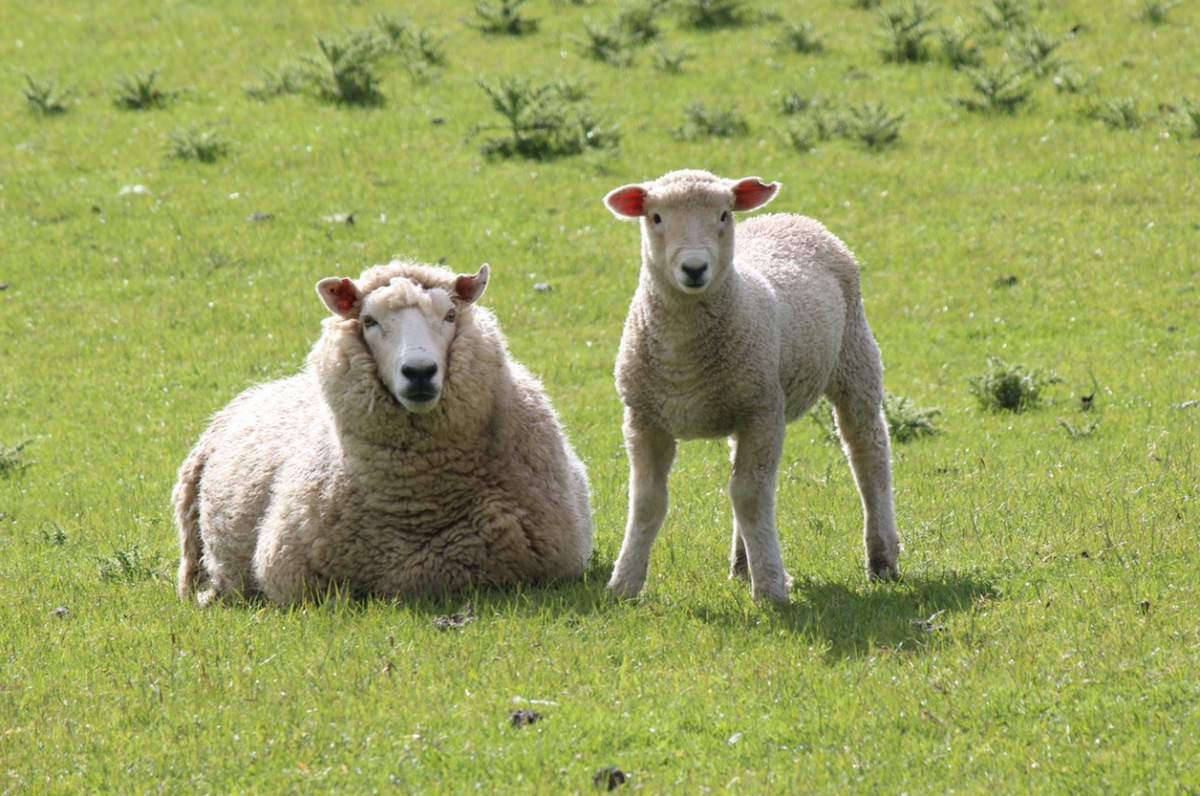
All materials of animal and vegetable origin have some degree of biodegradability, meaning that they are capable of being decomposed by the action of living organisms, such as fungi and bacteria. Wool is composed of the natural protein keratin, which is similar to the protein that makes up human hair. When keratin is broken down naturally by microorganisms, the products do not pose any environmental hazard.
WOOL READILY BIODEGRADES IN MOIST, WARM CONDITIONS
On disposal, if wool is kept warm and moist or buried in soil, fungal and bacterial growths develop which produce enzymes that digest wool. On the other hand, thanks to the unique chemical structure of keratin and wool’s tough, water-repellent outer membrane, clean and dry wool fibres do not readily degrade. This allows wool products to be resilient and long-lasting in normal conditions.
WOOL BIODEGRADES QUICKLY
Wool biodegrades readily in as little as three to four months but the rate varies with soil, climate and wool characteristics. This releases essential elements such as nitrogen, sulphur and magnesium back to the soil, able to be taken up by growing plants. Some studies found more rapid degradation after only four weeks’ burial in soils. Research has shown that processing treatments such as dyeing and anti-shrink treatment can affect the rate of biodegradation in soil, causing an increase in the initial resistance of wool fabric to degradation. However, this is a short-term effect, typically not persisting beyond eight weeks.
WOOL RETURNS ESSENTIAL NUTRIENTS TO THE SOIL
On burial in soil, wool becomes a slow-release fertiliser providing nutrients for uptake and growth by other organisms. Some have even used wool fertiliser to foster herb and vegetable growth. This is known as natural closed loop recycling; restoring the initial inputs of soil and grass. Other beneficial effects of adding wool to soils include enhanced water holding capacity, improved water infiltration, soil aeration and reduced erosion. Ground-up wool carpet, when used as a fertiliser, increased the dry matter yield of grass growth by 24% to 82%.
WOOL DOES NOT ADD TO LANDFILL VOLUMES OR MICROFIBRE POLLUTION
Natural fibres biodegrade naturally in a relatively short period in soils and aquatic systems and therefore do not accumulate in landfill and oceans. Results from a University of Canterbury study demonstrate that wool degrades in a marine environment. In contrast, synthetic textiles persist for many decades and can disintegrate to small fragments. Commonly known as microplastics, or microfibres when less than 5mm in diameter, these fragments accumulate in aquatic environments and land disposal sites where they have negative effects on ecosystems when consumed by organisms. A single polyester fleece garment can produce more than 1900 fibres per wash. Ingestion has a negative impact on organisms, sometimes causing death through starvation as plastic replaces food in the stomach. Once in the food chain, microplastics potentially also affect human health via seafood consumption.
At Curtain Clean we are all about minimising waste and reducing the amount of uncompostable materials going into landfill. Keep in mind that a lot of fabrics can be washed and don't need to be thrown away! Call us on 07 579 0501 if you have something you'd like cleaned, we can treat almost all fabrics.


Poll: Does a savoury scone require cheese on top, or folded inside?
Help settle the great kiwi debate ... cheese on top, or folded inside?

-
76.1% Inside!
-
23.9% On top!
Mr Minit in Chartwell: Be wary
Hi all,
Just sharing my experience. I had the battery for my car key replaced in March 2025 at Mr. Minit in Chartwell. I was given a one‑year warranty, which seemed impressive at the time.
However, the battery stopped working early Mar 26. With the warranty card, I brought the key back to have it checked and replaced. What I didn’t realise was that the battery was *not* actually replaced. He only tested it with a meter. When I asked whether he had replaced the battery, he said “yes,” but that wasn’t true. He then said he had tested the battery level and there was no need to replace it. When I asked to see the meter, it showed the battery was in the green zone which means it was ok.
I was then advised that I might need to replace the entire key unit. I asked whether he had properly troubleshot the issue to confirm it was the battery and not the key itself. His reply was that he normally doesn’t do that, but I was a “special case.” That means, the warranty card was a misrepresentation and there was no real intention of replacing the battery when it was faulty.
After he finally replaced the battery with a new one, my key worked perfectly again.
**Lesson learned:**
Make sure you take a photo of your warranty card. I feel like the warranty is mostly for show — if I had lost it, I would have been charged another $20+ for a battery. Worst still, I would have to pay more to change the key unit unnecessarily.
Make sure you witness that they replace your old battery with a new one if it's still under warranty.
Got more greens than you know what to do with? 🥦🌱🥕
Whether it’s a courgette takeover or a feijoa frenzy, don’t let those garden gems go to waste!
Our suggestion to you: Did you know you can grate and freeze excess courgettes to use in chocolate cake later? It sounds a bit dodgy, but it makes the cake incredibly moist ... and hey, it counts as a serving of veg, right? 🍫
What’s your go-to move for a bumper harvest? Drop your best "glut" recipes or preservation hacks in the comments below! 👇

 Loading…