




Know the signs of a stroke
During this time of COVID-19, it’s important we remember the different signs of stroke and that stroke is always a medical emergency.
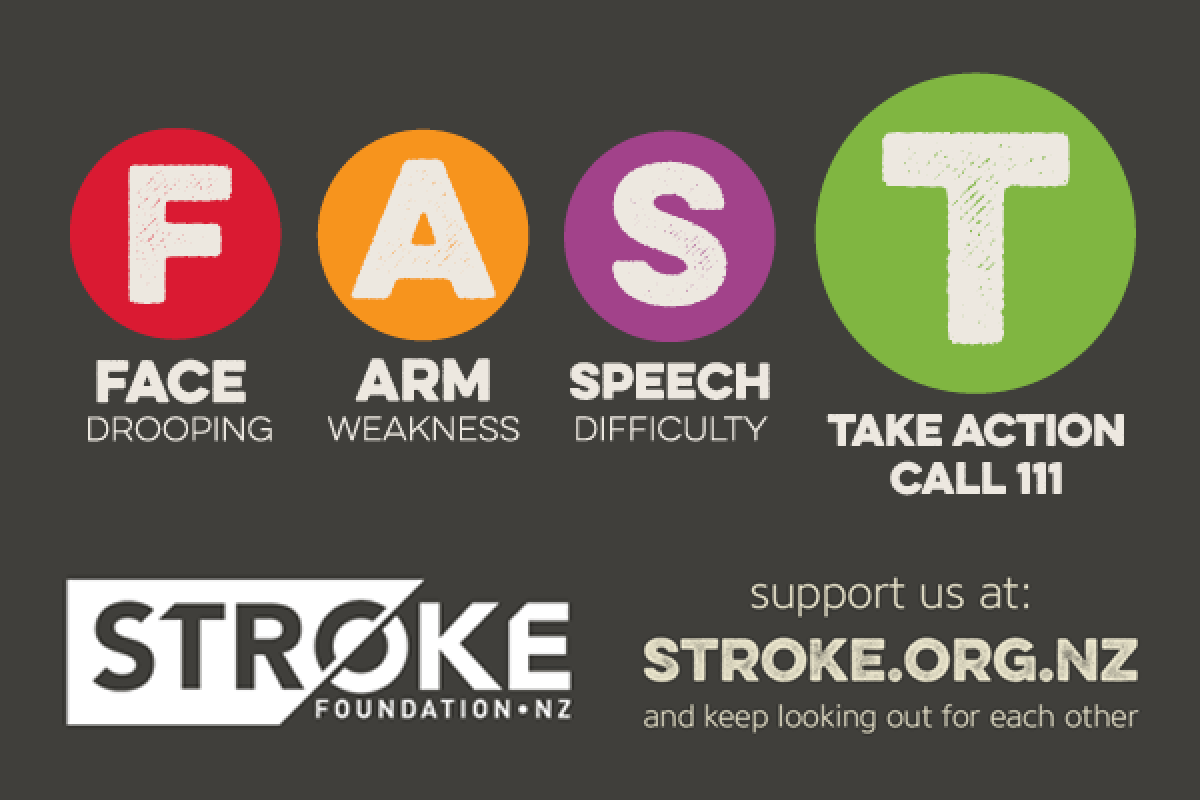
One New Zealander every hour experiences stroke. But if you think F.A.S.T. you could save someone’s life and give them the best chance of recovery.
F - Face - Is it drooping on one side?
A - Arm - Is one arm weak?
S - Speech - Is it mixed up, slurred or lost?
T - Take Action - Call 111 immediately.
Think F.A.S.T., act fast, and keep looking out for each other.
Thank you, from the Stroke Foundation of New Zealand.

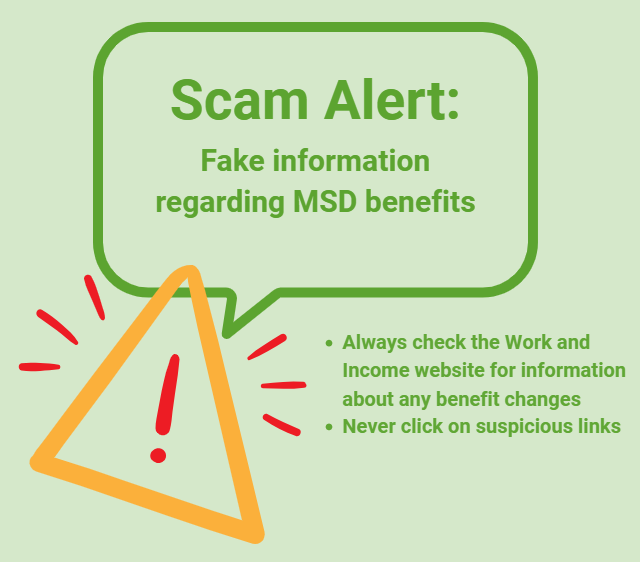
Scam Alert: Fake information regarding December Bonuses from MSD
The Ministry of Social Development is reporting that fake information is circulating about new ‘December bonuses’ or ‘benefit increases’
If you get suspicious communication, please contact Netsafe.

Today’s Mind-Bender is the Last of the Year! Can You Guess It Before Everyone Else? 🌟🎁🌲
I dance in the sky with green and gold, a spectacle few are lucky to behold; I’m best seen in the south, a celestial sight—what am I, lighting up the New Zealand night?
Do you think you know the answer? Simply 'Like' this post and we'll post the answer in the comments below at 2pm on the day!
Want to stop seeing these in your newsfeed? No worries! Simply head here and click once on the Following button.

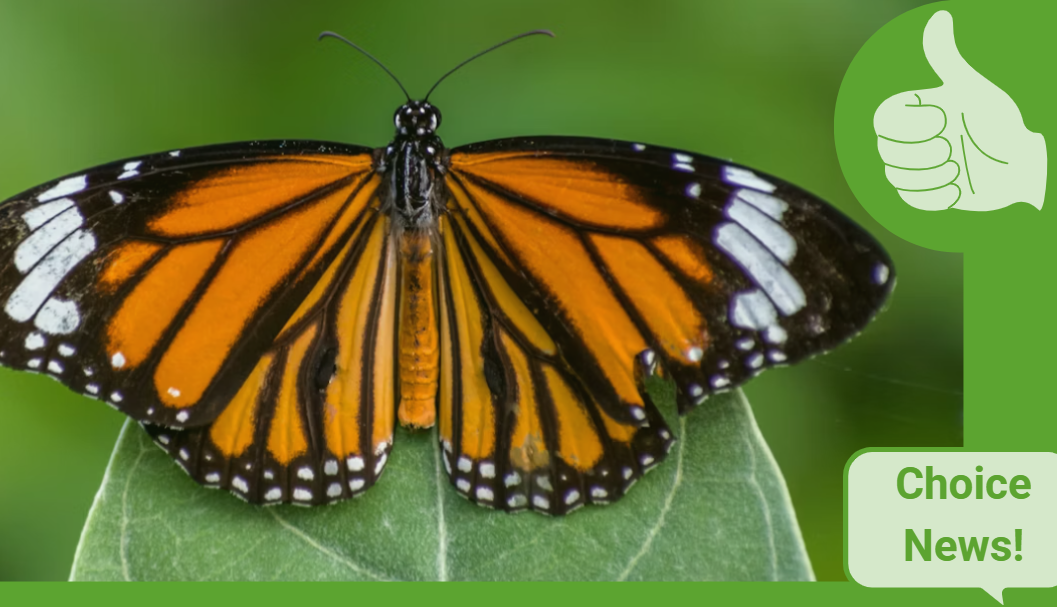
Some Choice News!
Many New Zealand gardens aren’t seeing as many monarch butterflies fluttering around their swan plants and flower beds these days — the hungry Asian paper wasp has been taking its toll.
Thanks to people like Alan Baldick, who’s made it his mission to protect the monarch, his neighbours still get to enjoy these beautiful butterflies in their own backyards.
Thinking about planting something to invite more butterflies, bees, and birds into your garden?
Thanks for your mahi, Alan! We hope this brings a smile!
 Loading…