




Cornovirus
A message from Neighbourhood Watch which includes a leaflet from the Health Care people which should lessen your worries about this virus.
1Novel Coronavirus (2019-nCoV) –What you need to knowCurrent as at: 04/02/2020While we are still learning more about this new virus –We do know the risk of the virus spreading in New Zealand is very low How worried should I be?•Your chances of catching the coronavirus in New Zealand are verylow.•It is highly unlikely you will catch the virus walking down thestreet•Coronavirus appears to be as infectious as the flu and the symptoms are similar -fever, cough and shortness of breath. You are only likely to catch it if you are near to someone with the virus. Most people catch the virus from someone at home, a close workmate or someone they spend timewith.•People will not be moving around the community if they are suspected or confirmed of having the virus –they will be in isolation. Their family and anyone they may have infected will also be asked to stay athome.How serious is coronavirus?•People are being infected, mainly in China, but only a small number of those with coronavirus havedied.•Most people have a mild to moderate illness withflu-likesymptoms•Peopleofallagesarebeinginfected,butolderpeopleandthosewithmedicalconditions seem most likely to get seriouslyill.How do I protect myself and my family?Everyone should protect themselves from the virus, as you would for the ‘flu -•Washing your hands regularly, or using hand sanitiser, is the best way to avoid thisillness.•As with other illnesses, do not go to work or school, or see visitors if you aresick.•Cover coughs and sneezes with tissues or clothing, and wash handsafterwards•Avoid being near to people who aresick•Washing your hands often and covering coughs and sneezes will do more to protectyou from the virus than amask.•If you are sharing food, use utensils to serve the food and keep your personal spoon, fork, or chopsticks separate to avoid transmission throughsaliva.

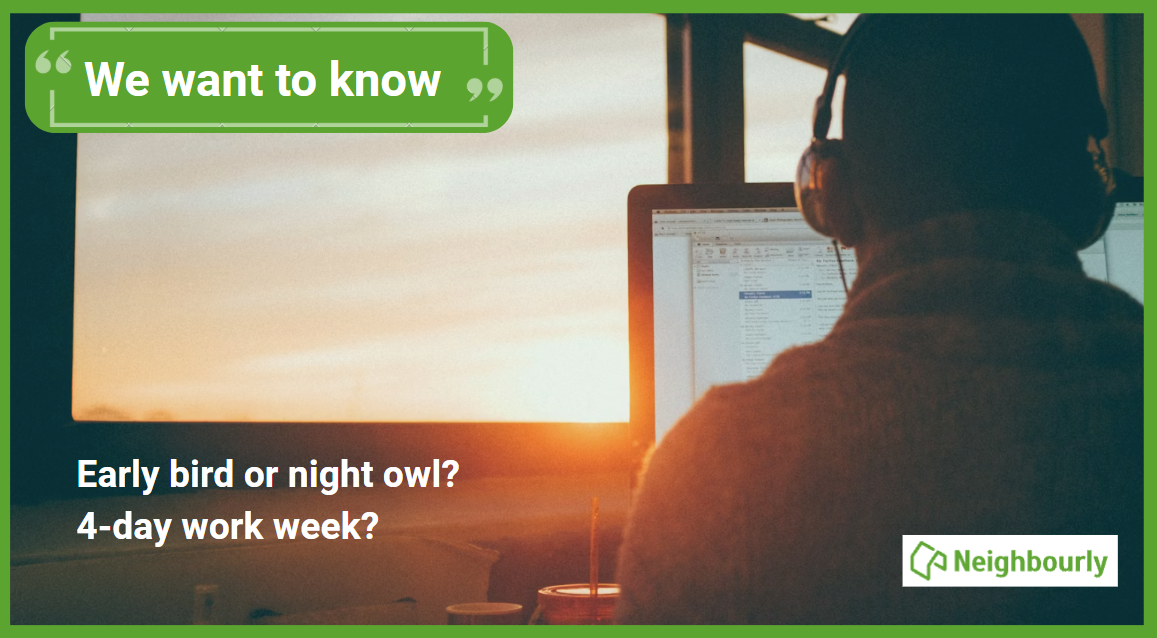
🪱🐦 When are you the most productive? 🌙🦉
The Post has been diving into our daily habits, and research suggests being an early bird or a night owl isn’t just a choice—it’s biology! We all have that specific time when our brains finally "click" into gear.
This raises a big question for the modern workplace. To get the best out of everyone, should employers accommodate our natural body clocks? This idea is at the heart of the four-day work week and flexible scheduling movements.
We want to hear from you:
1. When does your brain "click" into gear?
2. Would a flexible (or shortened) schedule change the way you work?

Full refund ‘common sense’ in two-decade rates debacle
The law blocking a full refund for a Hamilton woman who was overcharged rates for 21 years is “illogical,” a city councillor says.
Sue Moroney was investigating the possibility of a refund to Progressive Pilates owner Sonia Lidington, who says the council still owes her thousands of dollars.


🌉🛶 Early Birds Might Crack This One First… or Not? 🥚🧠
A person is crossing a bridge and sees a boat full of people, yet there isn't a single person on board.
How is this possible?
(Susan from Massey kindly provided this head-scratcher ... thanks, Susan!)
Do you think you know the answer? Simply 'Like' this post if you know the answer and the big reveal will be posted in the comments at 2pm on the day!
Want to stop seeing these in your newsfeed?
Head here and hover on the Following button on the top right of the page (and it will show Unfollow) and then click it. If it is giving you the option to Follow, then you've successfully unfollowed the Riddles page.
 Loading…