





Monarchs & Humans, the habits we share.
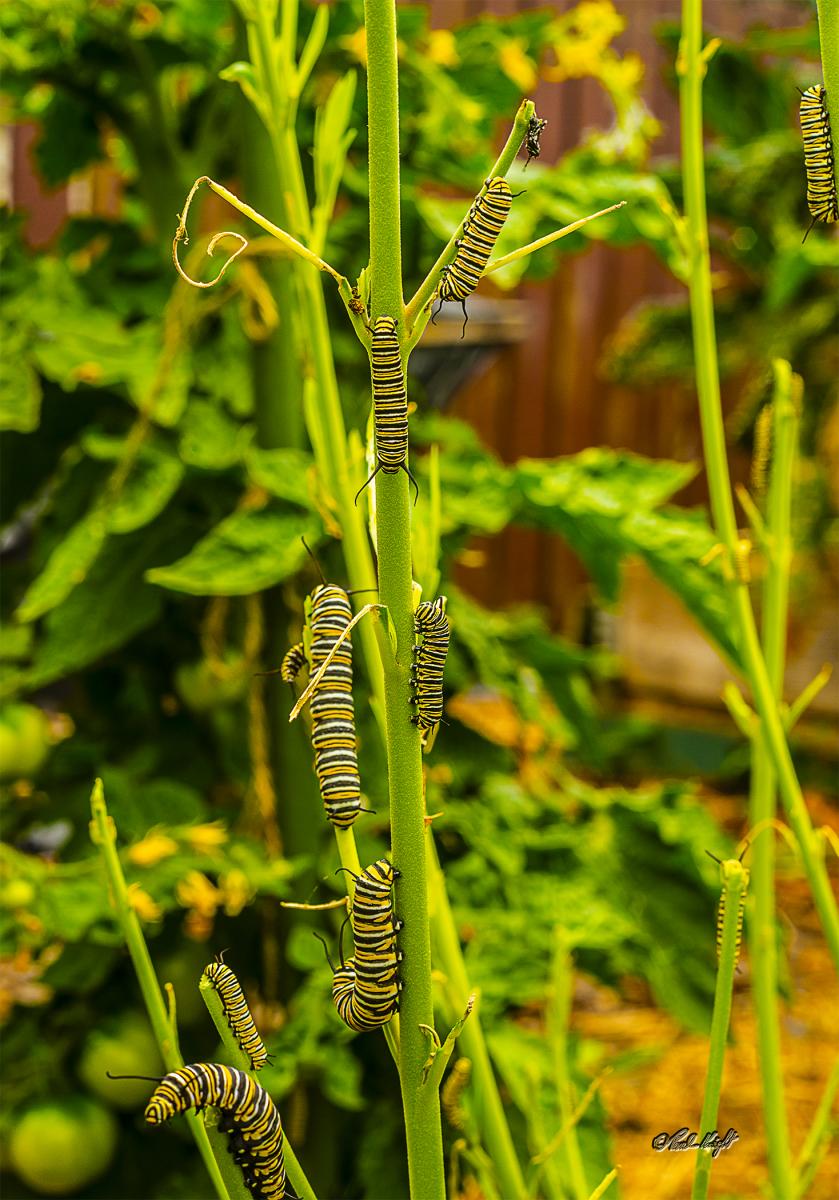
My interactions with monarch butterflies lead me to the conclusion that in terms of planning and wisdom, monarchs share a lot with us humans. Monarchs depend for their future on swan plants. So, being concerned for them, some years ago, I planted a swan plant in early spring expecting that it would be big enough to provide sufficient food to see the caterpillars through to the chrysalis stage. But I was wrong, very wrong! The monarchs laid so many eggs on the plant that the caterpillars had stripped the plant bare before they were mature enough to form a chrysalis. And of course they ate the leaves regardless of whether or not eggs had been laid on them. In desperation, they even chewed on the stems and trunk of the swan plant which subsequently withered and died, as you do when you are eaten alive.
The following year I doubled the food supply. However, not much changed though 3 caterpillars managed to get to the chrysalis stage before the food supply was completely consumed. That’s three new butterflies from dozens of hatched caterpillars and heaven knows how many eggs. And eggs continued to be laid when the food supply was already clearly insufficient to provide for the current population, let alone for any new mouths.
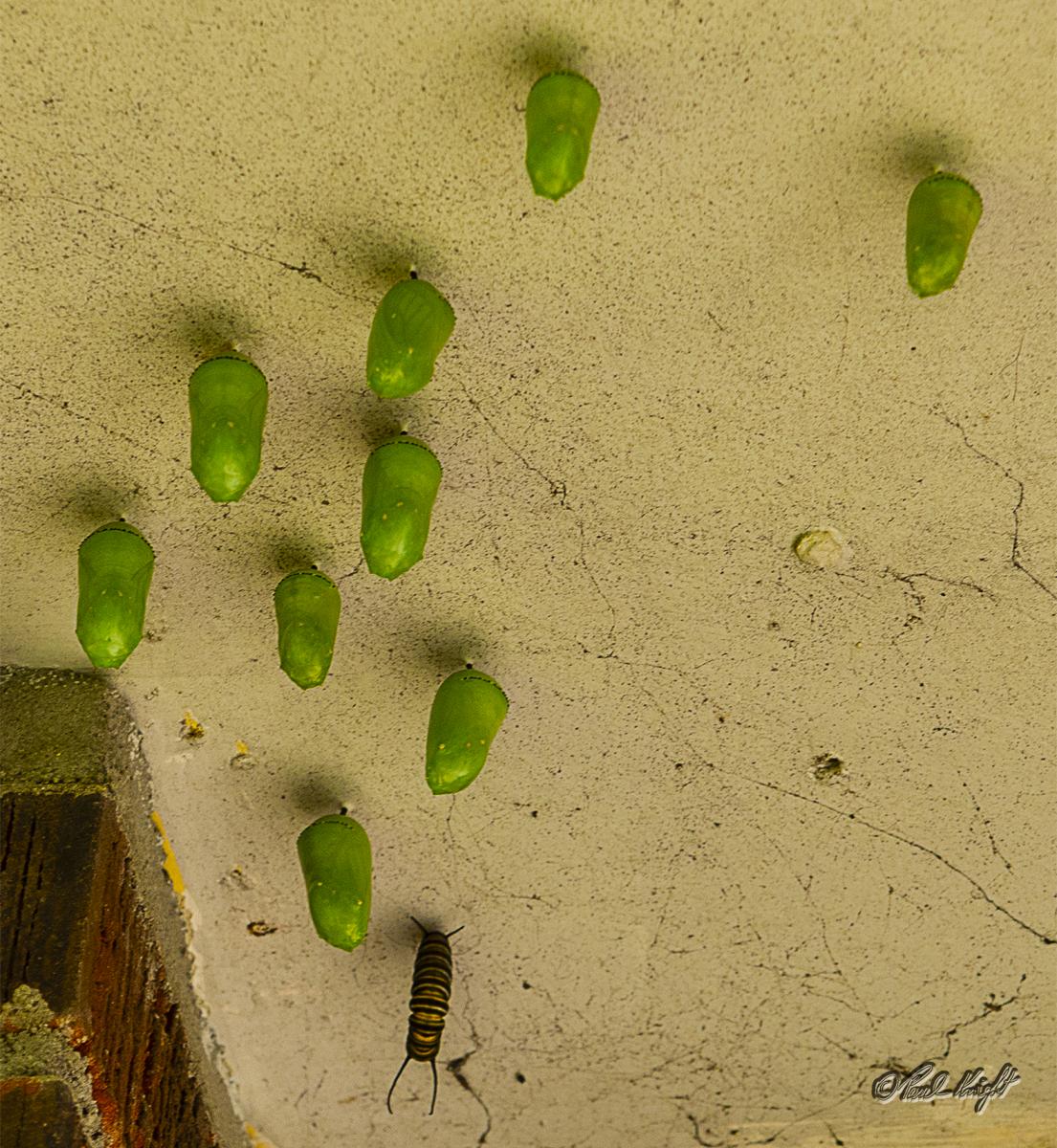
So, in the third year, I planted more swan plants but this time, I was a bit cunning. I planted one under the eaves of the house and away from other plants, and another between fennel and comfrey plants. I was planning a sort of benevolent alien intervention. It worked well. The butterflies either didn’t find them or didn’t like the camouflaged swan plants so the plants didn’t get egged. Then as I had planned, I intervened by selecting some caterpillars from the over populated plants and carried them against their will to the strategically planted ones. The strategy worked and very large numbers of chrysalises resulted. (See the photo of the chrysalises hanging from the eaves under which there was one of the hidden swan plants.) The other plants were again stripped bare but as a result of my benevolent intervention I had never seen so many monarchs flying around in my garden. Whenever I looked out the kitchen window there would be at least two or three chasing each other. Which brings me back to where I began. What is the characteristic we share? Like them, we are consuming, exploiting and destroying the natural resources essential to life on this planet. So, the only hope for the future, theirs and ours, seems to depend on a benevolent intervention by an intelligent alien power.
My strategic interference saved many monarchs but who will save us? And to where?
PS. There does however appear to be one point of difference between us. As far as I can make out, when they fly they make no negative impact on the environment.Monarchs & Humans, the habits we share. My interactions with monarch butterflies lead me to the conclusion that in terms of planning and wisdom, monarchs share a lot with us humans. Monarchs depend for their future on swan plants. So, being concerned for them, some years ago, I planted a swan plant in early spring expecting that it would be big enough to provide sufficient food to see the caterpillars through to the chrysalis stage. But I was wrong, very wrong! The monarchs laid so many eggs on the plant that the caterpillars had stripped the plant bare before they were mature enough to form a chrysalis. And of course they ate the leaves regardless of whether or not eggs had been laid on them. In desperation, they even chewed on the stems and trunk of the swan plant which subsequently withered and died, as you do when you are eaten alive.
The following year I doubled the food supply. However, not much changed though 3 caterpillars managed to get to the chrysalis stage before the food supply was completely consumed. That’s three new butterflies from dozens of hatched caterpillars and heaven knows how many eggs. And eggs continued to be laid when the food supply was already clearly insufficient to provide for the current population, let alone for any new mouths.
So, in the third year, I planted more swan plants but this time, I was a bit cunning. I planted one under the eaves of the house and away from other plants, and another between fennel and comfrey plants. I was planning a sort of benevolent alien intervention. It worked well. The butterflies either didn’t find them or didn’t like the camouflaged swan plants so the plants didn’t get egged. Then as I had planned, I intervened by selecting some caterpillars from the over populated plants and carried them against their will to the strategically planted ones. The strategy worked and very large numbers of chrysalises resulted. (See the photo of the chrysalises hanging from the eaves under which there was one of the hidden swan plants.) The other plants were again stripped bare but as a result of my benevolent intervention I had never seen so many monarchs flying around in my garden. Whenever I looked out the kitchen window there would be at least two or three chasing each other. Which brings me back to where I began. What is the characteristic we share? Like them, we are consuming, exploiting and destroying the natural resources essential to life on this planet. So, the only hope for the future, theirs and ours, seems to depend on a benevolent intervention by an intelligent alien power.
My strategic interference saved many monarchs but who will save us? And to where?
PS. There does however appear to be one point of difference between us. As far as I can make out, when they fly they make no negative impact on the environment.

Have you got New Zealand's best shed? Show us and win!
Once again, Resene and NZ Gardener are on the hunt for New Zealand’s best shed! Send in the photos and the stories behind your man caves, she sheds, clever upcycled spaces, potty potting sheds and colourful chicken coops. The Resene Shed of the Year 2026 winner receives $1000 Resene ColorShop voucher, a $908 large Vegepod Starter Pack and a one-year subscription to NZ Gardener. To enter, tell us in writing (no more than 500 words) why your garden shed is New Zealand’s best, and send up to five high-quality photos by email to mailbox@nzgardener.co.nz. Entries close February 23, 2026.

Poll: 🤖 What skills do you think give a CV the ultimate edge in a robot-filled workplace?
The Reserve Bank has shared some pretty blunt advice: there’s no such thing as a “safe” job anymore 🛟😑
Robots are stepping into repetitive roles in factories, plants and warehouses. AI is taking care of the admin tasks that once filled many mid-level office jobs.
We want to know: As the world evolves, what skills do you think give a CV the ultimate edge in a robot-filled workplace?
Want to read more? The Press has you covered!

-
53% Human-centred experience and communication
-
15.7% Critical thinking
-
28.8% Resilience and adaptability
-
2.5% Other - I will share below!
From Arapaepae Ridge
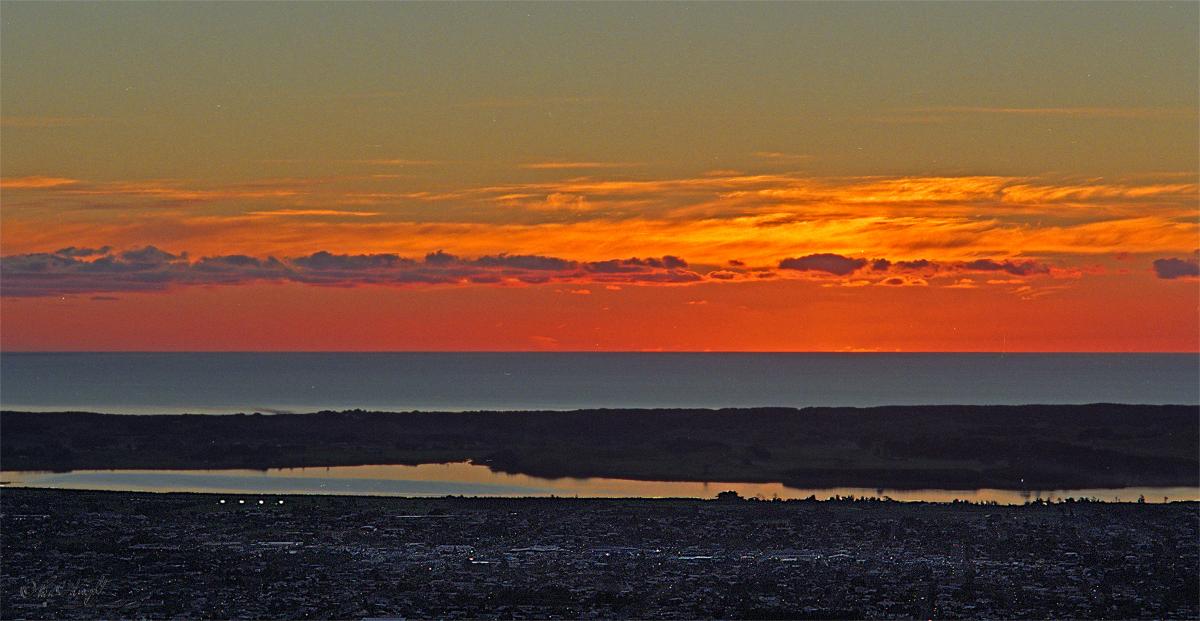
A view of Levin and a sunset photographed from the Arapaepae Ridge. Enlarge for a more detailed view of Levin.
 Loading…