






Common Types of Fabric Construction for Curtains and Upholstery - Part 1
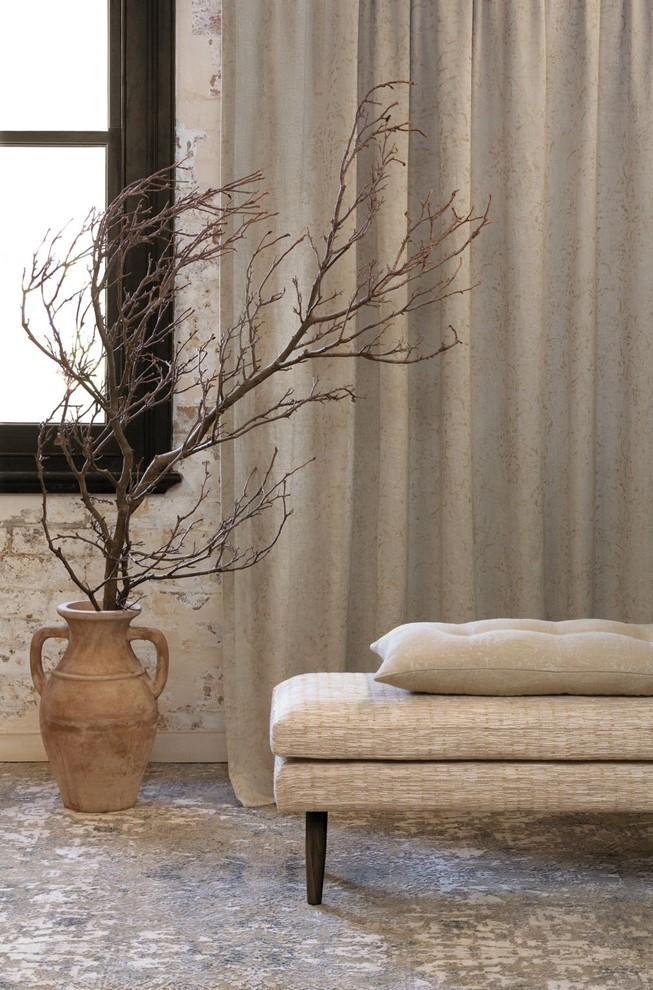
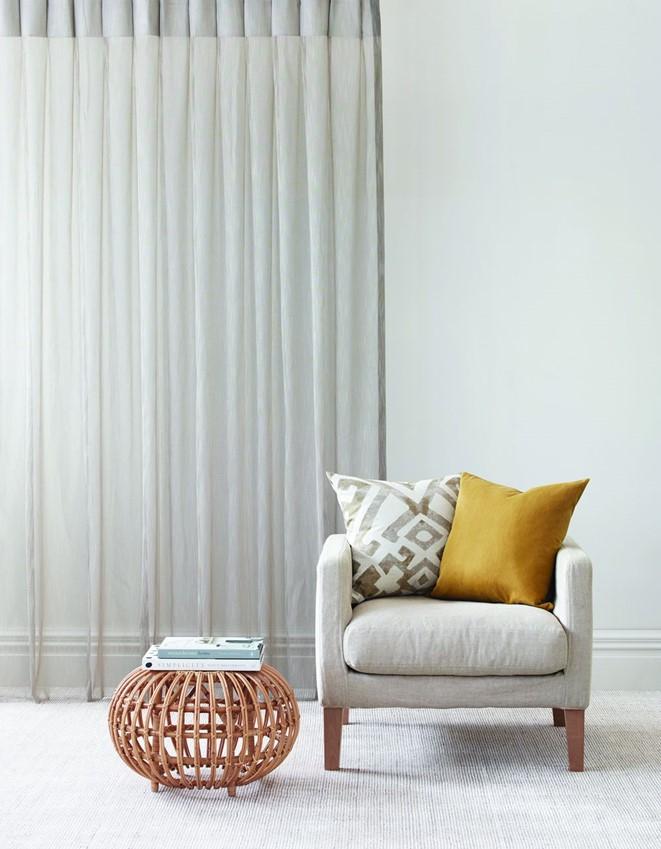
When it comes to home interiors and soft furnishings there really is a vast range of curtain and upholstery fabrics to choose from, all with varying attributes for certain applications. To ensure you start your project off with the right foundations, you need to be selecting a fabric that is most suited to its purpose.
There are various textile constructions/qualities that fall within five fabric “types” we describe in an earlier article. In this two-part article we will discuss the most commonly manufactured constructions that you see in the market today.
DAMASK: Damasks are traditional jacquard fabrics, which were originally woven in a single colour, where the design and ground are in contrasting weaves, (generally using warp-faced and weft-faced satin weaves).
CHINTZ: Chintz is a closely woven plain fabric, traditionally cotton, with a shiny and lustrous appearance. The fabric is processed with a glazed or calendared finish to give it a polished look.
FELT: Felt is matted fabric with a predominantly woollen composition. There are two types of felt, woven and un-woven. Felting of woven wool fabric is achieved by interlocking the natural scales on the surface of wool fibres through heat, moisture, steam, pressure and friction.
FIL COUPÉ: A small jacquard pattern on a lightweight fabric, in which the fil/weft threads connecting each pattern/motif are cut and removed from the reverse of the fabric leaving the remaining pattern/motif with frayed edges.
FAUX-LEATHER (VINYL): Polyvinyl chloride (commonly abbreviated as PVC or referred to as vinyl) is the third-most widely produced polymer after polyethylene and polypropylene. It should not be washed with cleaning solvents, but more specifically only a mixture of gentle soap and warm water.
Keep reading: www.curtainclean.co.nz...

Some Choice News!
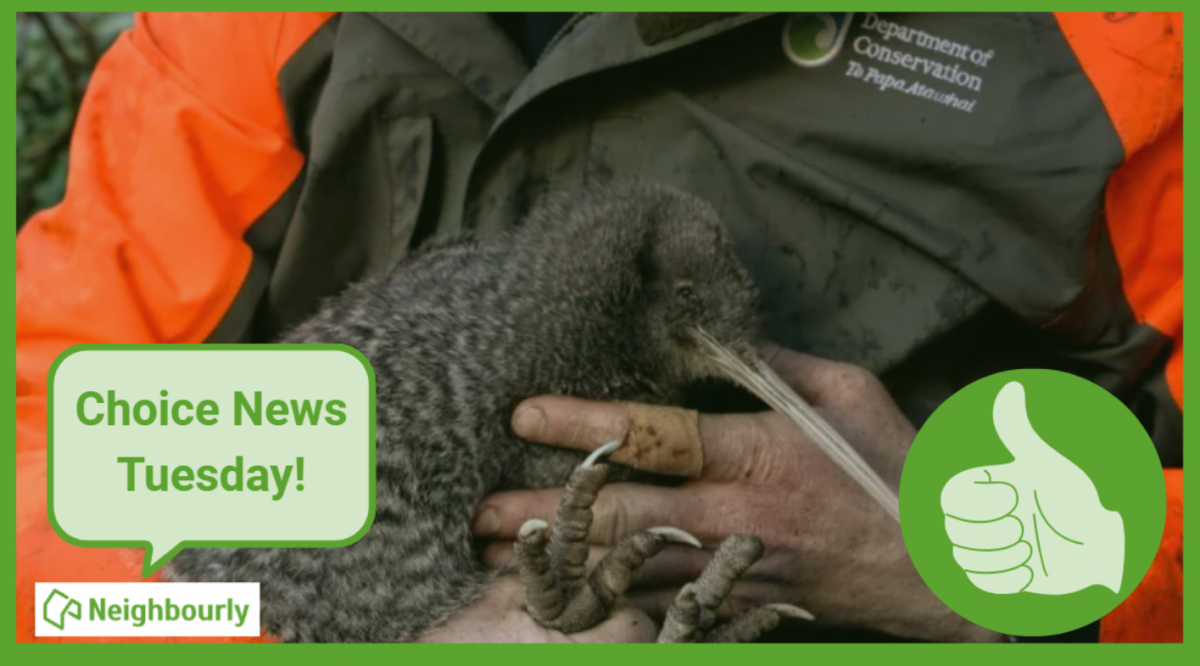
DOC is rolling out a new tool to help figure out what to tackle first when it comes to protecting our threatened species and the things putting them at risk.
Why does this matter? As Nikki Macdonald from The Post points out, we’re a country with around 4,400 threatened species. With limited time and funding, conservation has always meant making tough calls about what gets attention first.
For the first time, DOC has put real numbers around what it would take to do everything needed to properly safeguard our unique natural environment. The new BioInvest tool shows the scale of the challenge: 310,177 actions across 28,007 sites.
Now that we can see the full picture, it brings the big question into focus: how much do we, as Kiwis, truly value protecting nature — and what are we prepared to invest to make it happen?
We hope this brings a smile!

Have you got New Zealand's best shed? Show us and win!
Once again, Resene and NZ Gardener are on the hunt for New Zealand’s best shed! Send in the photos and the stories behind your man caves, she sheds, clever upcycled spaces, potty potting sheds and colourful chicken coops. The Resene Shed of the Year 2026 winner receives $1000 Resene ColorShop voucher, a $908 large Vegepod Starter Pack and a one-year subscription to NZ Gardener. To enter, tell us in writing (no more than 500 words) why your garden shed is New Zealand’s best, and send up to five high-quality photos by email to mailbox@nzgardener.co.nz. Entries close February 23, 2026.
 Loading…