






A thoughtful piece from David Slack on his @substack.com
On Instagram, Rachel wrote:
Just learnt my new landlord has over 50 houses in this suburb. This is one of the big problems here in NZ.
For every heartfelt lament, there’s a mainsplainer waiting to put you right. I won’t name the guy, it’s the argument I want to explore. He wrote:
What's the problem? He provides housing that you rent. What exactly is the issue apart from your own jealousy?
Jealousy. Right. Rachel's sitting there thinking, Gee, if only I too could own 50 houses and extract rent from my fellow citizens. Then I'd be happy.
It’s not jealousy. It's the lament that we’re now living in a country where home ownership is becoming a hereditary privilege, where young families pay 60% of their income to service someone else's retirement fund.
The landlord with 50 houses may tell you he's providing an essential service, that he's housing New Zealand.
Yes, but also: nope. The houses were there already. What he’s done is insert himself between the houses and the people who might have owned them, collecting a toll for the privilege.
You buy a house. You buy a second. In 10 years those houses have doubled in value. Tax-free money. You leverage that equity into four more houses. Then eight. Then sixteen. Each purchase by someone like you helps to push the market that little bit higher, which makes your portfolio that little bit worth more, which means you can borrow more, which means you can buy more, which means prices go that bit higher, which means...
Meanwhile, actual productive businesses, the ones that make things, export things, employ people in jobs that don't involve collecting rent, they're gasping for capital like fish on a dock. Why would anyone invest in a risky venture when you could just buy another house and wait for the magic to happen?
There's a difference between a rental market and a rentier economy, between providing options and hoarding necessities. There's a difference between success through creation and success through extraction.
We've built an entire economy on the principle that houses should be investments first and homes second. We wonder why the young ones are leaving for Australia.

Poll: Should we ditch daylight saving? 🕰️
First introduced in New Zealand in 1927 with the passing of the Summer Time Act, it's what we know as 'Daylight Saving' and this year it ends on the first Sunday in April.
While we do get to sleep in this time around, some people would like to scrap the clock tinkering for good.
And why? Some evidence suggests the time changes are bad for our health as they mess with sleep patterns leading to short-term fatigue and affecting mood. Meanwhile the hour change is frustrating for farmers and a nightmare for getting the littlies to sleep. But what's your take?

-
40.7% Yes - get rid of the clock changes
-
57.5% No, I enjoy it
-
1.7% Other - I'll share below

Don't overthink this riddle...
I have a silver sole
but no feet,
I make my living by bringing the heat.
What am I?
Do you think you know the answer? Simply 'Like' this post if you know the answer and the big reveal will be posted in the comments at 2pm on the day!
Want to stop seeing these in your newsfeed?
Head here and hover on the Following button on the top right of the page (and it will show Unfollow) and then click it. If it is giving you the option to Follow, then you've successfully unfollowed the Riddles page.

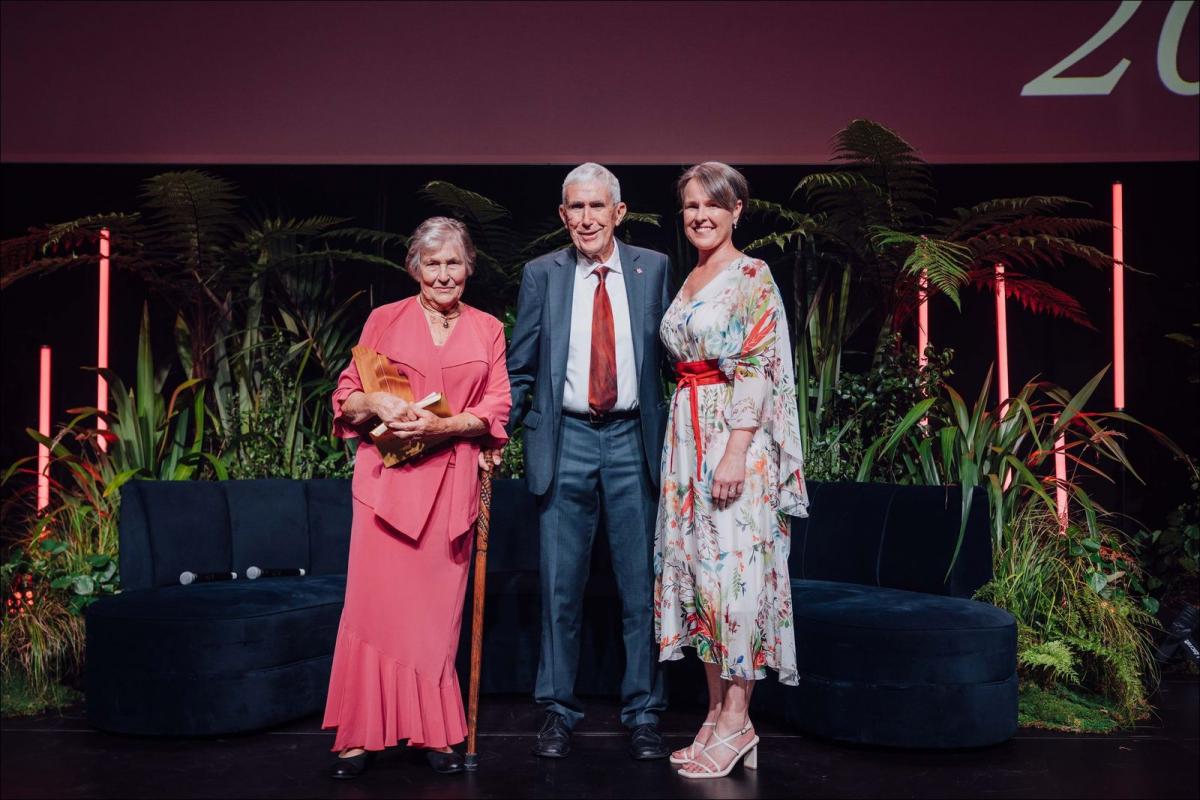
Alan and Hazel Kerr share Senior New Zealander of the Year Award 2026
Dr Alan and Hazel Kerr describe themselves as ‘just ordinary old Kiwis’, despite being named as the 2026 Ryman Healthcare Senior New Zealanders of the Year Te Mātāpuputu o te Tau.
The amazing couple prompted a standing ovation at a star-studded Auckland event which recognised their tireless efforts, with Alan travelling to and from Gaza and the West Bank 40 times to help children over 20 years, and Hazel travelling 20 times.
Click read more to find out more.
 Loading…