






Look at this cool way of recycling used oral care products!
Solway
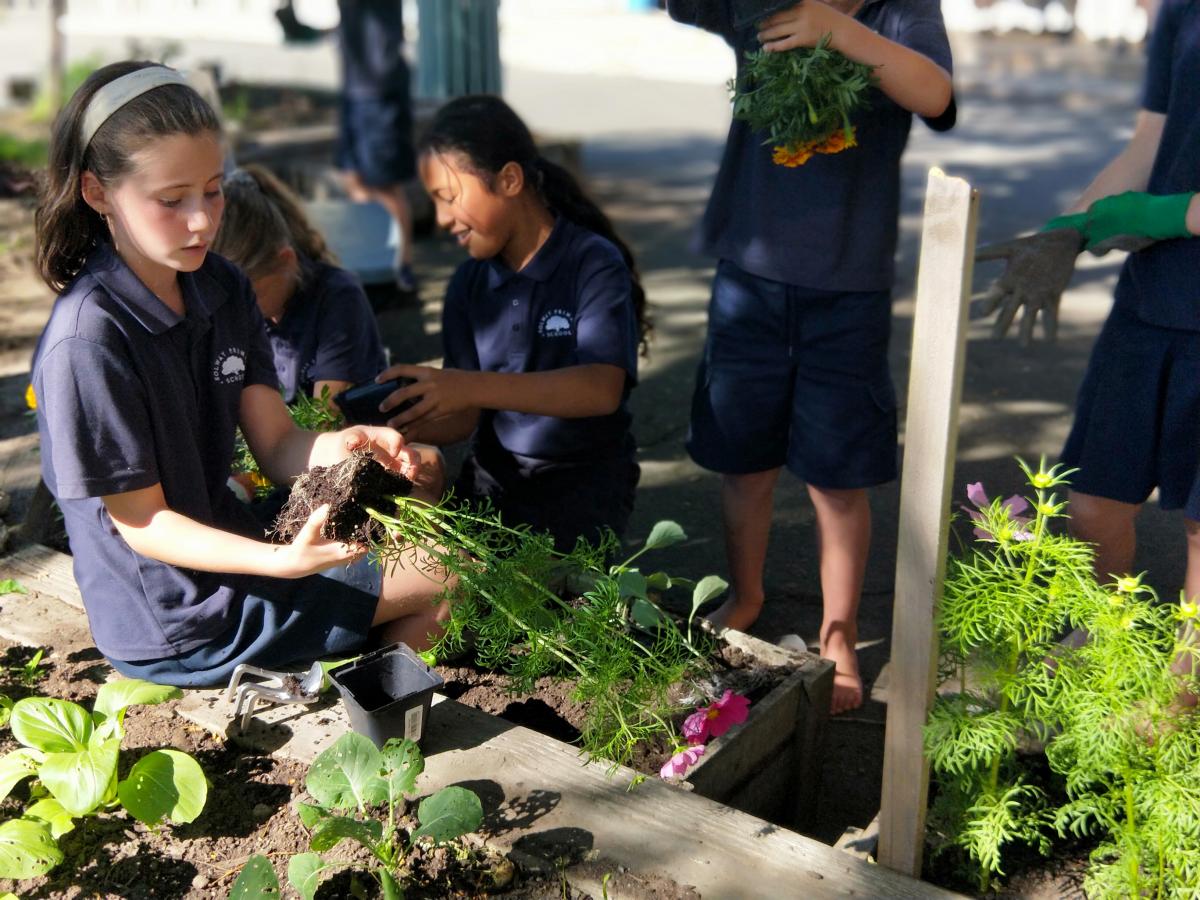
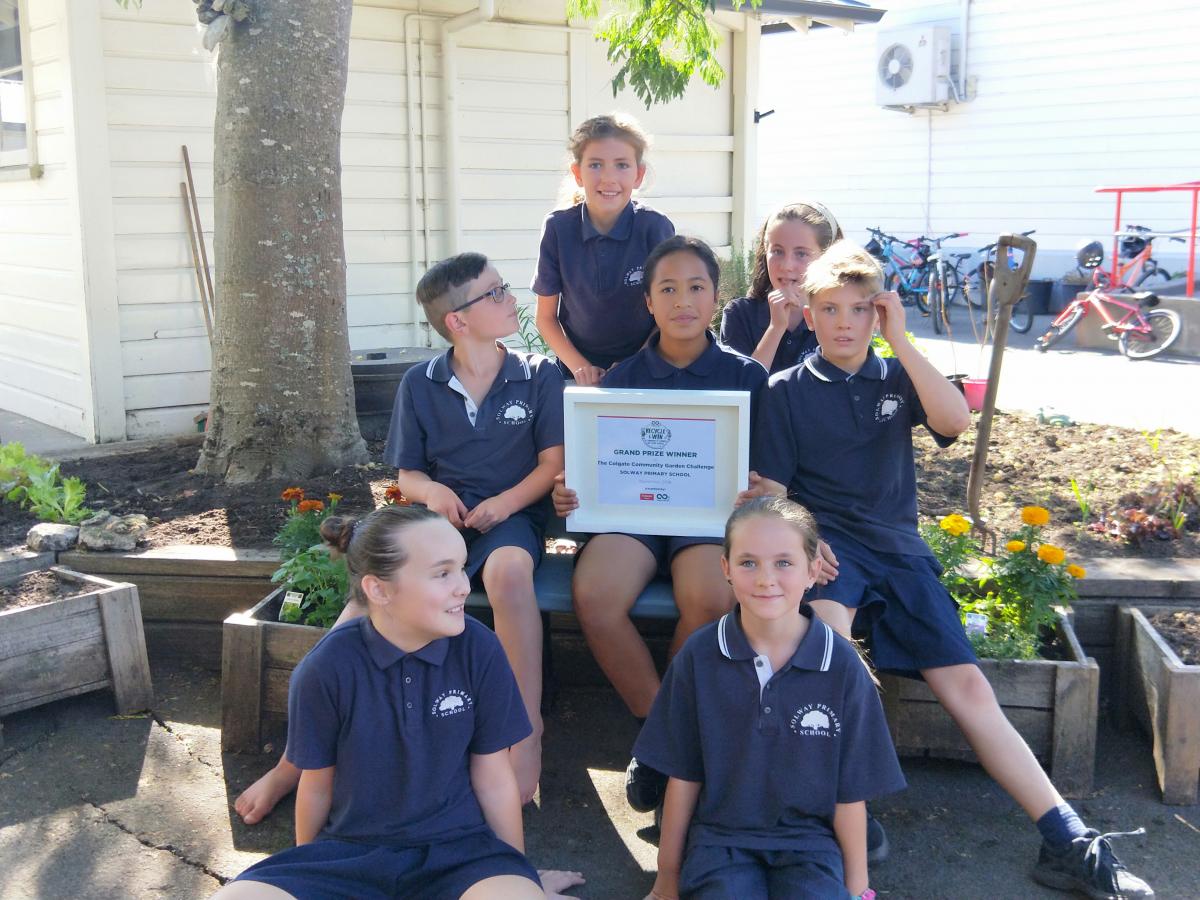
Primary School in Masterton recently unveiled its recycled
community garden made from oral care waste after winning a national recycling competition in which schools all around the country recycled over 51,000 toothbrushes, toothpaste tubes, and dental floss containers.
Run by Colgate and recycling pioneers, TerraCycle, between 1 August and 16 November 2018, the Colgate Community Garden Challenge invited preschools, primary and secondary schools nationwide to collect all brands of oral care waste and send it to TerraCycle, who will give the waste a second life by creating new products.
By taking part in the competition, Solway Primary School were the lucky winner of a recycled community garden sets, which includes garden bed, custom made bench, rubbish bin,
and a $300 Mitre 10 gift voucher to buy seeds, plants and gardening supplies.
Besides showing how recycled materials can be used as a sustainable alternative to virgin plastic, Colgate and TerraCycle hope the garden sets will promote gardening and healthy eating among schools. Solway Primary School teacher, Steve Hornby, said the children were delighted to receive their community garden set after embracing the challenge of recycling during the competition.
“Even though we’re a small community, we still wanted to make a difference recycling all our old toothbrushes and floss containers for the chance to win a recycled garden. The students were so happy when we won and the garden will be used to promote gardening skills and healthy eating,” Mr Hornby said.
Colgate Vice President and General Manager of South Pacific, Julie Dillon, congratulated Solway Primary School for their win.
“The success of the 2018 Colgate Community Garden Challenge is down to the commitment of the kids who participated. Colgate is delighted to see this hard work has paid off and the kids being awarded their gardening prizes. We look forward to seeing how their gardens grow in the coming months,” Mrs Dillon said.

Poll: 🤖 What skills do you think give a CV the ultimate edge in a robot-filled workplace?
The Reserve Bank has shared some pretty blunt advice: there’s no such thing as a “safe” job anymore 🛟😑
Robots are stepping into repetitive roles in factories, plants and warehouses. AI is taking care of the admin tasks that once filled many mid-level office jobs.
We want to know: As the world evolves, what skills do you think give a CV the ultimate edge in a robot-filled workplace?
Want to read more? The Press has you covered!

-
52.9% Human-centred experience and communication
-
14.7% Critical thinking
-
29.7% Resilience and adaptability
-
2.7% Other - I will share below!

🧩😏 Riddle me this, Neighbours…
I am an odd number. Take away a letter and I become even. What number am I?
Do you think you know the answer? Simply 'Like' this post and we'll post the answer in the comments below at 2pm on the day!
Want to stop seeing these in your newsfeed? No worries! Simply head here and click once on the Following button.


Some Choice News!
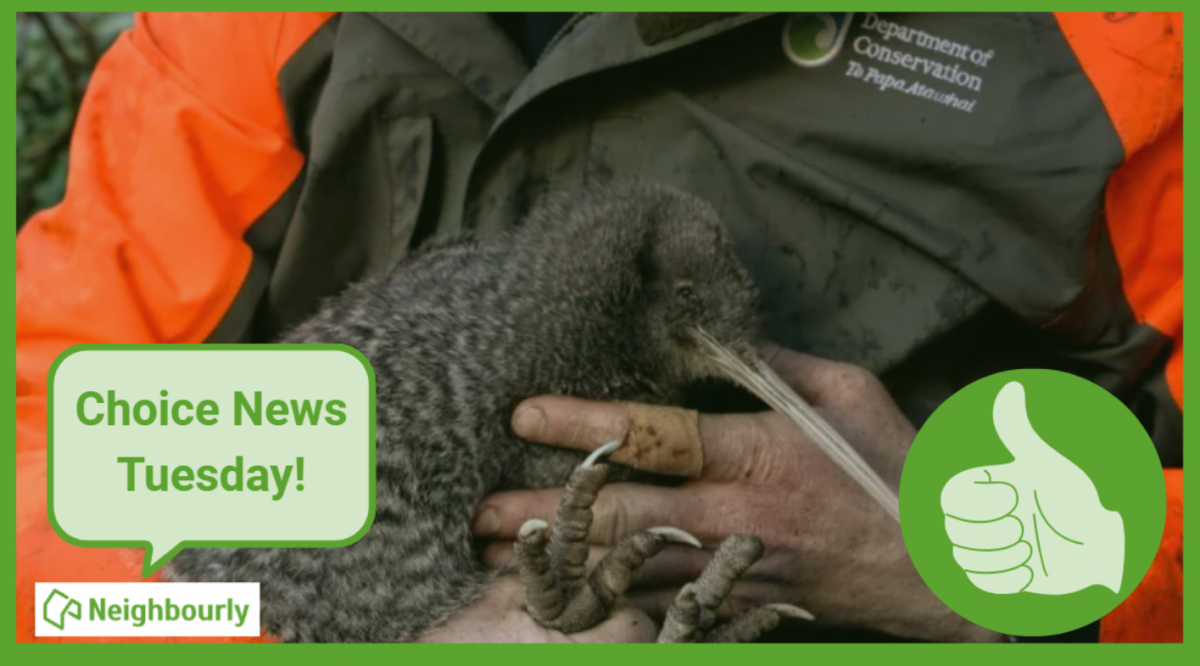
DOC is rolling out a new tool to help figure out what to tackle first when it comes to protecting our threatened species and the things putting them at risk.
Why does this matter? As Nikki Macdonald from The Post points out, we’re a country with around 4,400 threatened species. With limited time and funding, conservation has always meant making tough calls about what gets attention first.
For the first time, DOC has put real numbers around what it would take to do everything needed to properly safeguard our unique natural environment. The new BioInvest tool shows the scale of the challenge: 310,177 actions across 28,007 sites.
Now that we can see the full picture, it brings the big question into focus: how much do we, as Kiwis, truly value protecting nature — and what are we prepared to invest to make it happen?
We hope this brings a smile!
 Loading…