




Is Queenstown really bucking the housing market trend?
By reporter Miriam Bell:
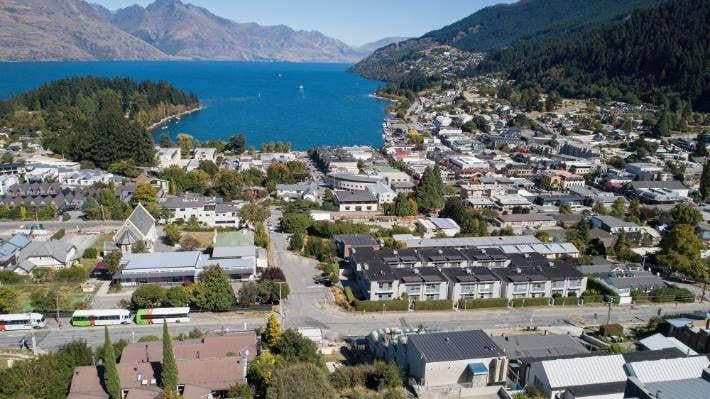
Queenstown house prices remain the highest in the country, and its market appears to be going against the broader declining trend, experts say.
In the latest figures from Quotable Value (QV), the Queenstown-Lakes District is the only region to record a quarterly price increase. It has the average price up 0.2% to $1.69 million in September.
On an annual basis, the average is up 11.6% from the same time last year, and it is 4.5% higher than at the start of the year.
Likewise, CoreLogic has Queenstown’s average up by 0.4% last month, and by 12.9% annually, to $1.68m in September.
In contrast, both property companies show the national average, and prices in much of the rest of the country, on a downward trajectory.
And in Auckland and Wellington, there have been double-digit price declines since the market peak late last year, according to the Real Estate Institute.
CoreLogic chief property economist Kelvin Davidson says the Queenstown market is a small market, and that means its price and sales figures can jump around quite a bit on a monthly basis.
But its prices have remained pretty stable in the last six to seven months, over a period when prices in other markets have fallen, he says.
“There is a sense of stability, rather than prices continuing to rise markedly, but that is in a market that is already expensive and which has affordability issues.
“It is not immune to trends around interest rates and lending, so I wouldn’t rule out some price falls in future, even if they are smaller than elsewhere, but currently Queenstown’s market is holding up well.”
There were concerns about the Queenstown market’s future in the early days of Covid, but the area’s physical attributes and lifestyle appeal meant it was always likely to bounce back, he says.
“Those attributes remain in play, but now the borders have opened, and tourists are returning, so there is a degree of confidence that Queenstown will be okay. It has a market that looks different to elsewhere, and is bucking the trend.”
As in the rest of the country, sales are down. There were 80 sales in September, down from 101 in August and from 106 last September, Real Estate Institute figures show.
But the institute’s regional director, Gail Hudson, says owner-occupier inquiry has increased markedly, with interest from Auckland and other areas of the South Island remaining strong.
Genuine buyers are attending auctions, and open homes are busy, which shows there is still a good amount of interested buyers, although there is less urgency, she says.
Ray White Queenstown principal Bas Smith says fluctuations in sales are not uncommon as it is a much smaller market than the focus it attracts suggests.
But the decline in sales volumes from last year was not a bad thing as the market was crazy last year, he says.
“At the higher end of the market, particularly in the $2.5m to $3m land sale space, we are finding it very busy, and activity is steady generally.”
Queenstown’s market never really has huge falls in prices, and even during the global financial crisis they held relatively steady, apart from the apartment market which had been oversold previously, he says.
“It is viewed as a safe haven, and a desirable place to live. Many people are envious of the lifestyle that they see here, especially during lockdowns.
“That has fired up people around the country and in Australia, and left them keen to come here to tap into the lifestyle on offer, and pursue remote working options.”
The market is benefitting from that, with a bit of a flow of capital from Australia and Auckland into Queenstown real estate, and little drag in prices despite the slower market, Smith says.
Another factor that puts a floor under Queenstown prices is a shortage of housing, despite continued development of areas such as Frankton, and significant planned development in Wanaka.
Harcourts Queenstown sales manager Priscilla Uhrle says a shortage of land means that when land comes on the market it gets sold before titles are issued.
This is helping keep supply tight, and the fact that many local buyers are reluctant to list until they have sold, to ensure they have somewhere to move to, also contributes to the shortage of stock, she says.
“It was a bit quieter over winter, and spring seemed to come a month late, but open home numbers have really lifted and October was very busy.
“All the auctions we have done in recent weeks have sold under the hammer, with multiple bids. One entry level house in Fern Hill went on the market last week, got five offers right away, and is now under offer.”
While sales and price figures can vary each month due to the size of the market, prices do seem to be holding up well, she says.
“The last two years have taught me there is no point in making predictions about what the market might do, but currently it is moving at a good, steady pace.”
More local first-home buyers are being pushed into the market by rising interest rates, Uhrle says.
“The wait and see approach isn’t working for them, and they want to lock in a purchase before rates go up too much more, so what rates do next could make a difference in future.”

Poll: Should we ditch daylight saving? 🕰️
First introduced in New Zealand in 1927 with the passing of the Summer Time Act, it's what we know as 'Daylight Saving' and this year it ends on the first Sunday in April.
While we do get to sleep in this time around, some people would like to scrap the clock tinkering for good.
And why? Some evidence suggests the time changes are bad for our health as they mess with sleep patterns leading to short-term fatigue and affecting mood. Meanwhile the hour change is frustrating for farmers and a nightmare for getting the littlies to sleep. But what's your take?
-
39.7% Yes - get rid of the clock changes
-
58.5% No, I enjoy it
-
1.8% Other - I'll share below

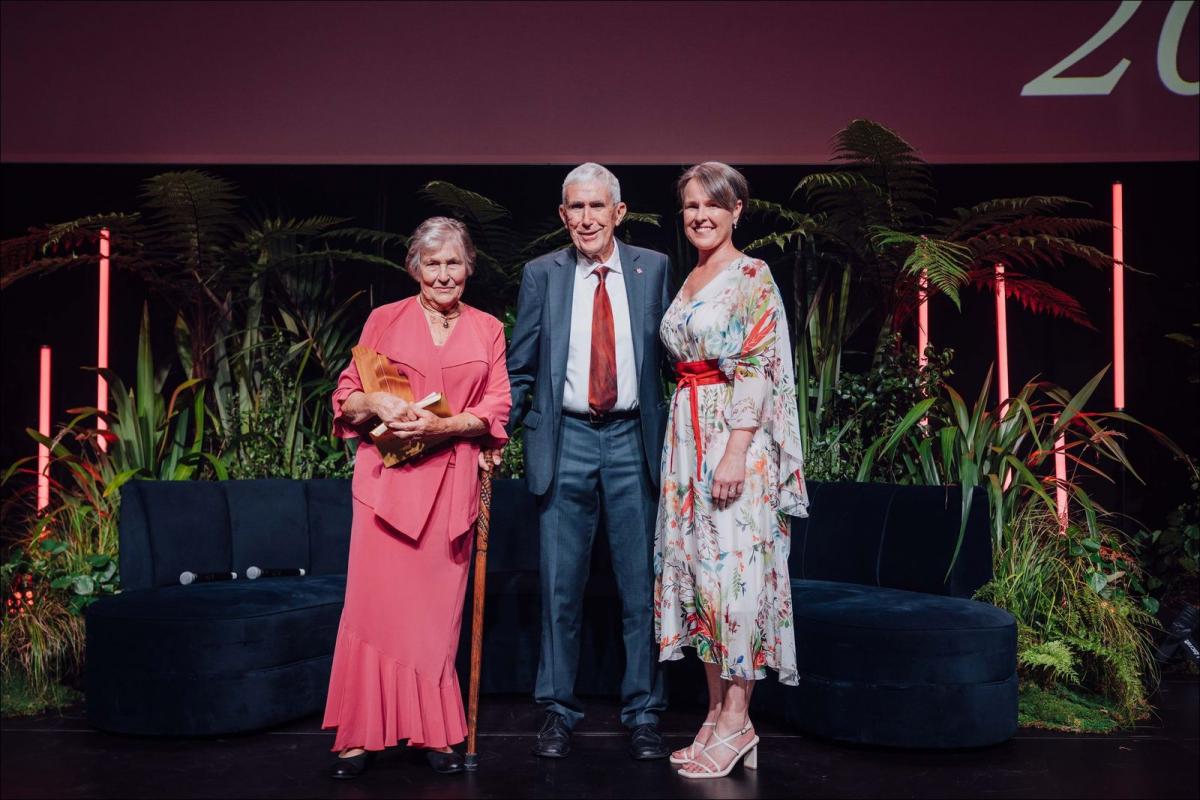
Alan and Hazel Kerr share Senior New Zealander of the Year Award 2026
Dr Alan and Hazel Kerr describe themselves as ‘just ordinary old Kiwis’, despite being named as the 2026 Ryman Healthcare Senior New Zealanders of the Year Te Mātāpuputu o te Tau.
The amazing couple prompted a standing ovation at a star-studded Auckland event which recognised their tireless efforts, with Alan travelling to and from Gaza and the West Bank 40 times to help children over 20 years, and Hazel travelling 20 times.
Click read more to find out more.

Don't overthink this riddle...
I have a silver sole
but no feet,
I make my living by bringing the heat.
What am I?
Do you think you know the answer? Simply 'Like' this post if you know the answer and the big reveal will be posted in the comments at 2pm on the day!
Want to stop seeing these in your newsfeed?
Head here and hover on the Following button on the top right of the page (and it will show Unfollow) and then click it. If it is giving you the option to Follow, then you've successfully unfollowed the Riddles page.

 Loading…