







How to spend our first weekend at Alert Level 4
This is a crucial time. You might be tempted to leave the house this weekend to enjoy your free time. But it’s incredibly important that you don’t revert back to ‘normal life’.
Remember why we are all taking these extreme measures. Stay home. Save lives. This breaks the chain and stops the virus spreading.
How to break the chain, and protect us all:
STOP THE MOVEMENT
The virus is spread by us. It can’t move by itself. So we all need to avoid moving around as much as possible, eg:
● don't travel to and from baches or second homes
● avoid driving out of your neighbourhood
● don't travel across the country in campervans
● note that DOC has closed all of its campsites and huts.
KEEP EXERCISE LOCAL
There are very few exceptions to staying home, but exercise is one of them. Going for a walk, run or bike ride is good for your mental health. Just remember to:
● stay close to home. Enjoy your neighbourhood, but go no further
● keep it solitary, or only with those you live with
● keep a 2 metre distance from others.
DO SAFE ACTIVITIES ONLY
● Our emergency services need to be fully available to respond to COVID-19 cases. Any search and rescue operation reduces the ability of first responders to help others.
● Do your bit to help them by only undertaking safe activities, and avoiding going into areas where you could get lost or hurt and require their help. Avoid outdoor activities like swimming, surfing, tramping, or boating, hunting or hiking.
AVOID PUBLIC SPACES
● All bars, restaurants, cafes, gyms, cinemas, pools, museums, libraries and playgrounds are closed.
● Avoid places like beaches where people commonly linger, or are unable to maintain a 2 metre distance.
● Don't touch surfaces others may have touched when outdoors, like park benches or playgrounds.
When you return home carefully wash your hands, and any items you took with you outdoors.


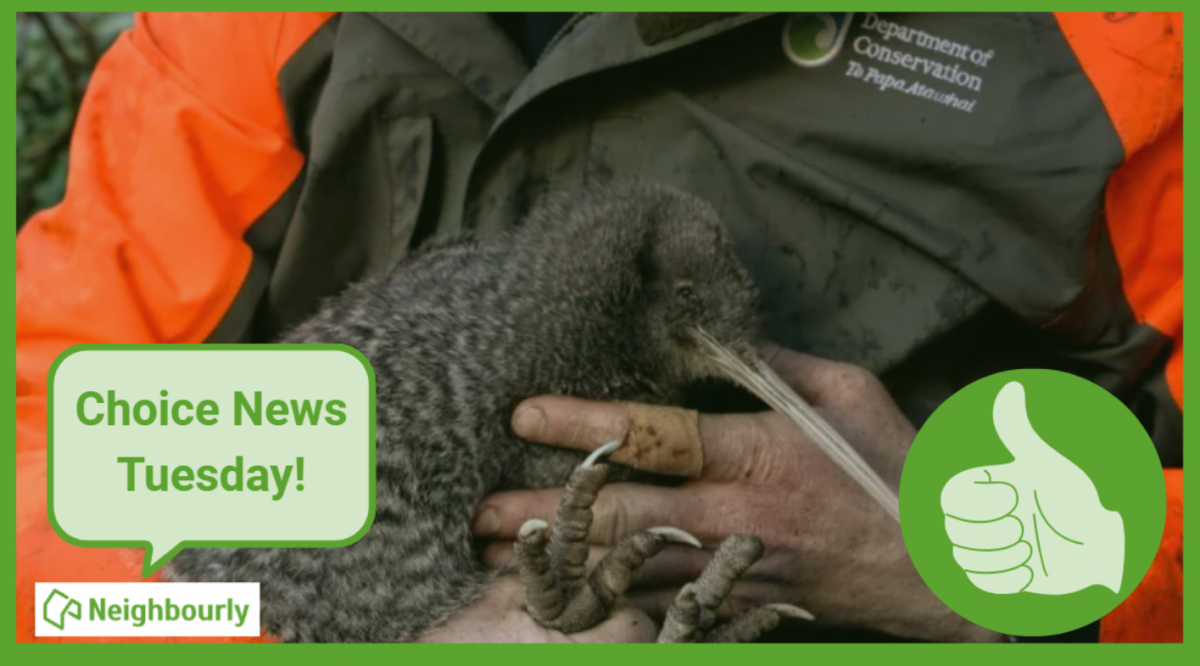
Some Choice News!
DOC is rolling out a new tool to help figure out what to tackle first when it comes to protecting our threatened species and the things putting them at risk.
Why does this matter? As Nikki Macdonald from The Post points out, we’re a country with around 4,400 threatened species. With limited time and funding, conservation has always meant making tough calls about what gets attention first.
For the first time, DOC has put real numbers around what it would take to do everything needed to properly safeguard our unique natural environment. The new BioInvest tool shows the scale of the challenge: 310,177 actions across 28,007 sites.
Now that we can see the full picture, it brings the big question into focus: how much do we, as Kiwis, truly value protecting nature — and what are we prepared to invest to make it happen?
We hope this brings a smile!
Animal Abuser
🚨 URGENT WARNING TO ALL LOST & FOUND / PET REHOMING PAGES 🚨 and people rehoming pets or reporting lost animals.
It has come to our attention that a long-term, repeat animal abuser is still actively obtaining animals through Facebook groups.
The type of animal does not matter — birds, livestock, dogs, small pets — anything he can access.
He monitors rehoming pages. He approaches people offering “help.” He presents as reasonable. He will say the right things.
Do not give this person any animals under any circumstances.
If you are an admin of a lost & found page, a community group, or a pet rehoming group:
• Please stay vigilant
• Check profiles carefully
• Share this warning across your networks
Animals have already paid the price for people not knowing.
If you are unsure about someone requesting an animal, ask rescue groups to help.

Poll: 🤖 What skills do you think give a CV the ultimate edge in a robot-filled workplace?
The Reserve Bank has shared some pretty blunt advice: there’s no such thing as a “safe” job anymore 🛟😑
Robots are stepping into repetitive roles in factories, plants and warehouses. AI is taking care of the admin tasks that once filled many mid-level office jobs.
We want to know: As the world evolves, what skills do you think give a CV the ultimate edge in a robot-filled workplace?
Want to read more? The Press has you covered!

-
52.6% Human-centred experience and communication
-
14.7% Critical thinking
-
29.9% Resilience and adaptability
-
2.7% Other - I will share below!
 Loading…