









7 Benefits of Honey
Although we have more advanced methods of embalming bodies, we still use honey today as a sweetener as well as an ingredient in beauty products, candles, and fragrances. But, most important, we use it as natural source of nutrition.
According to the USDA, one tablespoon of honey contains 64 calories, 0.06 grams of protein, 17.25 grams of sugar, 17.3 grams of carbohydrates, one milligram of calcium, and 0.09 milligrams of iron.
Looking at honey’s nutritional content—it contains almost no protein, vitamins, or nutrients—might have you wondering how it would benefit anyone. But it’s what honey does have that will make you want to keep it in stock.
1. Honey is filled with antioxidants.
One the most of important benefits of honey lies in its antioxidants. They include phenols and flavonoids, which can reduce oxidative stress and inflammation in your body while protecting you against stroke, heart disease, and cancer. Buckwheat honey has specifically been shown to increase the capacity of serum antioxidants in humans by 7 percent.
How to use: You’d have to consume at least one teaspoon of honey a day to get an adequate source of antioxidants, but don’t forget that honey is considered an “added sugar.” The American Heart Association recommends limiting “added sugar” to six teaspoons or less each day, which equals about one-and-a-half tablespoons of honey per day.
2. Honey’s healthy for your heart.
We’ve already mentioned that honey is antioxidant-rich, which can protect you from heart disease, but it also can also improve your cholesterol levels. Honey caused a 5.8 percent reduction in LDL (“bad cholesterol”) and a 3.3 percent increase in HDL (“good”) cholesterol in patients when compared to sugar.
3. It can help heal burns, wounds, and other skin conditions.
In addition to being rich in antioxidants, honey also has antibacterial and antiseptic qualities that accelerate wound and burn healing by providing a moist environment and increasing the flow of nutrients to the affected site. Honey’s also effective at killing pathogens. Honey from the manuka plant specifically has enhanced antimicrobial and wound healing properties.
Honey can also be used to treat and prevent acne, dandruff, and itchy skin.
How to use: Apply a thick layer of medicinal or raw honey on the affected area and wrap with appropriate dressing if necessary. If your wound is severe, consult your doctor before applying the honey. Look for natural creams, lotions, and shampoos that contain honey to curb dandruff and itchy skin, and to treat acne, add a couple of teaspoons of honey to your favorite homemade face mask or scrub.
4. Honey can curb your cough.
There’s a reason why honey is often a main ingredient in cough drops and syrups. Because of its anti-inflammatory properties, honey has been medically proven to reduce cough frequency and improve quality of sleep in children with the common cold. Studies also show that honey can be just as (if not more than) effective than over-the-counter cough medicines.
How to use: Consume one teaspoon of honey every few hours to curb your cough. You can also mix it into a warm beverage, preferably fresh ginger tea, which is also good at curbing coughs and soothing sore throats.
5. It can boost athletic performance.
Multiple studies conducted at the University of Memphis Exercise and Sport Nutrition Laboratory found that honey allowed 39 weight-trained athletes to sustain their blood sugar levels for over two hours following exercise. Honey also significantly increased the power and speed of nine competitive cyclists when compared to glucose and placebos.
How to use: Try this homemade electrolyte drink made with honey, citrus juice, water, and salt during tough workout sessions.
6. Honey can ease digestive problems.
According to research published in the Indian Journal of Medical Research, the antioxidants in honey may prevent free radicals from damaging the cells that line the digestive tract, which can cause acid reflux. Honey may also be able to reduce inflammation in the esophagus and provide a coating for its mucous membrane.
Many cultures also swear by honey as a cure for diarrhea.
How to use: To calm heartburn caused by acid reflux, eat one teaspoon of honey or mix it into a glass of warm water. Four tablespoons of honey should be mixed into a cup of hot water to relieve symptoms of diarrhea in adults, according to ReadersDigest.com. Honey, however, should not be given to children under the age of 1.
7. It’s healthier for diabetics than sugar—sort of.
Studies show that honey can improve heart disease risk factors in diabetics and it doesn’t raise your blood sugar as quickly as refined sugar can. The bad news is that it’s still not considered to be “diabetic friendly” because of its carb content, so it should be consumed with caution.
How to use: If you have diabetes, it’s important to consult your doctor before making any changes to your diet.
Copyright from universityhealthnews.com...
In our store you will find several types of 100% pure raw New Zealand honey. We are waiting for you every day.



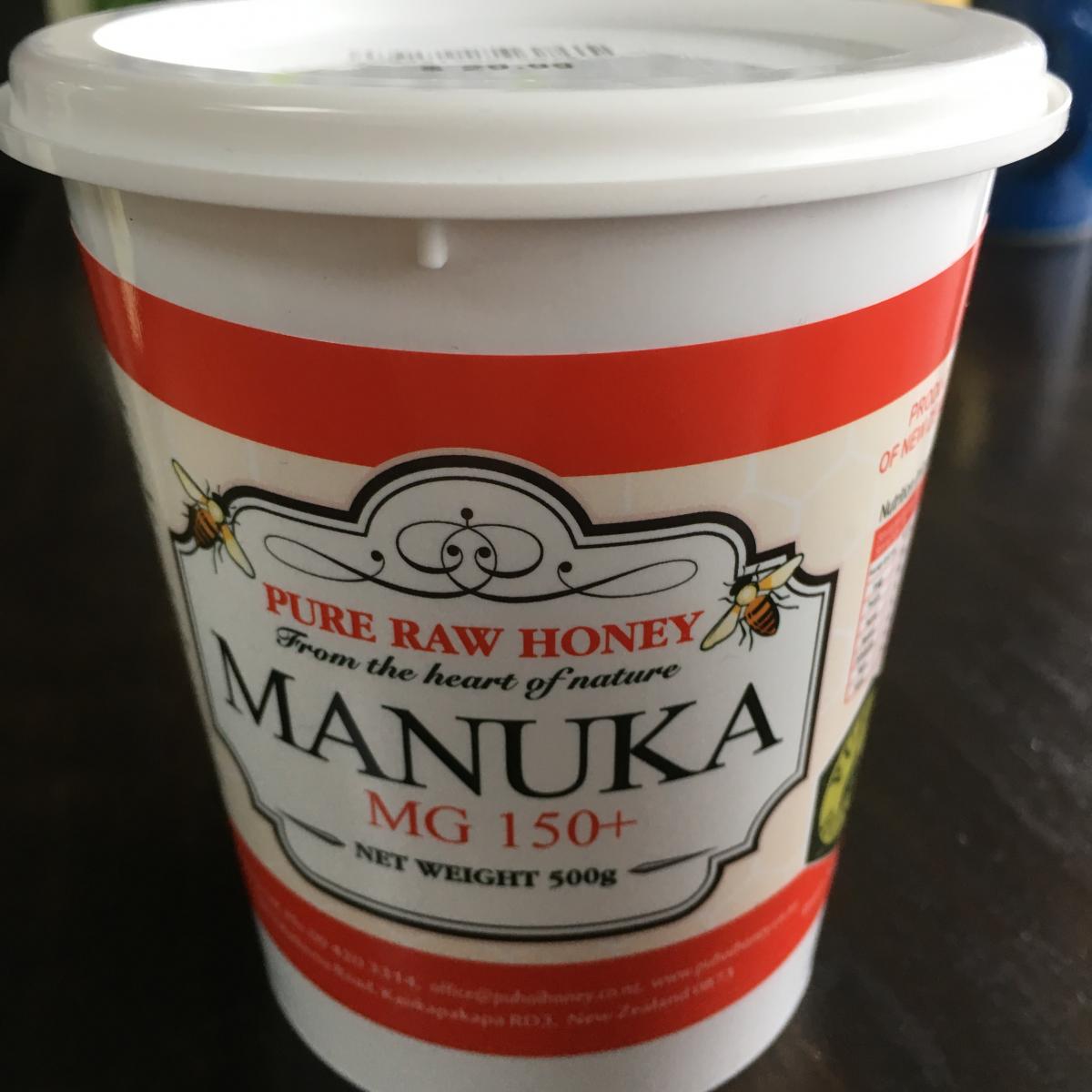
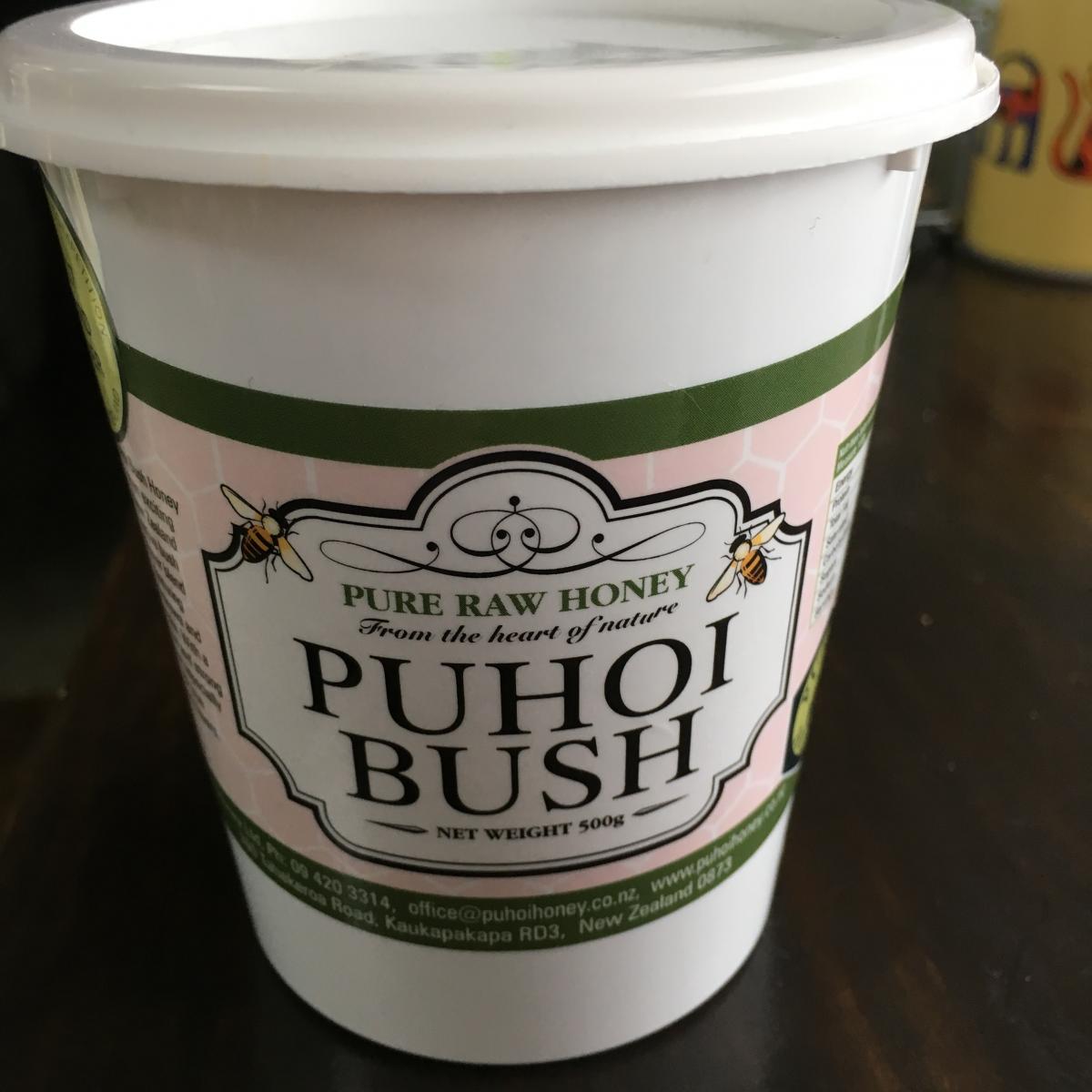

Step by step for a great cause!
Our amazing Hillary Hikers from Edmund Hillary Village showed their support for Bowel Cancer New Zealand's Move Your Butt campaign this month!
Sporting the bright purple and orange campaign shirts, these wonderful walkers hit the Auckland waterfront and marched from Mission Bay to Kohimarama, raising awareness for bowel cancer and the importance of early detection along the way.
Click read more to read the full story.


🧩😏 Riddle me this, Neighbours…
I am an odd number. Take away a letter and I become even. What number am I?
Do you think you know the answer?
Want to stop seeing these in your newsfeed? No worries! Simply head here and click once on the Following button.

Animal Abuser
🚨 URGENT WARNING TO ALL LOST & FOUND / PET REHOMING PAGES 🚨 and people rehoming pets or reporting lost animals.
ZHENYA THORNTON SMITH, Pukekohe
It has come to our attention that a long-term, repeat animal abuser is still actively obtaining animals through Facebook groups.
The type of animal does not matter — birds, livestock, dogs, small pets — anything he can access.
He monitors rehoming pages. He approaches people offering “help.” He presents as reasonable. He will say the right things.
Do not give this person any animals under any circumstances.
If you are an admin of a lost & found page, a community group, or a pet rehoming group:
• Please stay vigilant
• Check profiles carefully
• Share this warning across your networks
Animals have already paid the price for people not knowing.
We cannot rely on authorities to protect them. That leaves us.
If you are unsure about someone requesting an animal, reach out privately before proceeding.
Let’s close the loopholes. Let’s protect the vulnerable.
Do not give this person any animals under any circumstances.
 Loading…