
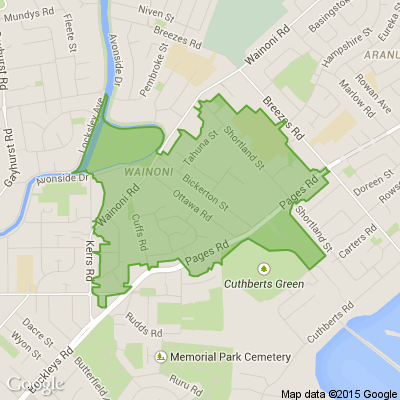






Smoke not dangerous, but can trigger asthma attacks. Please look after yourself.
The Asthma and Respiratory Foundation NZ urges those with asthma and respiratory conditions in the Christchurch area to be prepared – as bush fire smoke can trigger asthma attacks, allergies and shortness of breath.
The smoke from bush fires contains small particles that can cause irritation to the lungs, eyes, nose and throat.
People are advised to minimise their exposure to smoke and time spent outdoors. Windows and doors need to be kept closed, air vents blocked, and air conditioning set to a recycle setting.
Tips for asthmatics during bush fires:
- Continue taking asthma preventer medication as prescribed.
- Always carry asthma reliever medication, and use it as soon as asthma symtoms are present. When possible use a spacer which enables more medication to be delivered into the lungs.
- If asthma reliever medication is not working, or is required every 2-3 hours or more, seek medical advice by calling 111 for an ambulance.
- Elderly people, children, and people working at the fire front are most at risk. Access help fast if someone appears unwell.
- If you don’t have an Asthma Action Plan or are unsure of what to do in an asthma emergency, follow the Asthma First Aid procedure.
- It is important to remember that people who aren’t in affected areas are also at high risk, as winds can carry smoke and ash particles for long distances. Smoke and air pollution can linger long after the fires have subsided, so it is essential to remain prepared.
The Asthma and Respiratory Foundation NZ is a not-for-profit organisation committed to those affected by asthma and respiratory illness. Free resources are available at asthmaandrespiratory.org.nz.

Some Choice News!
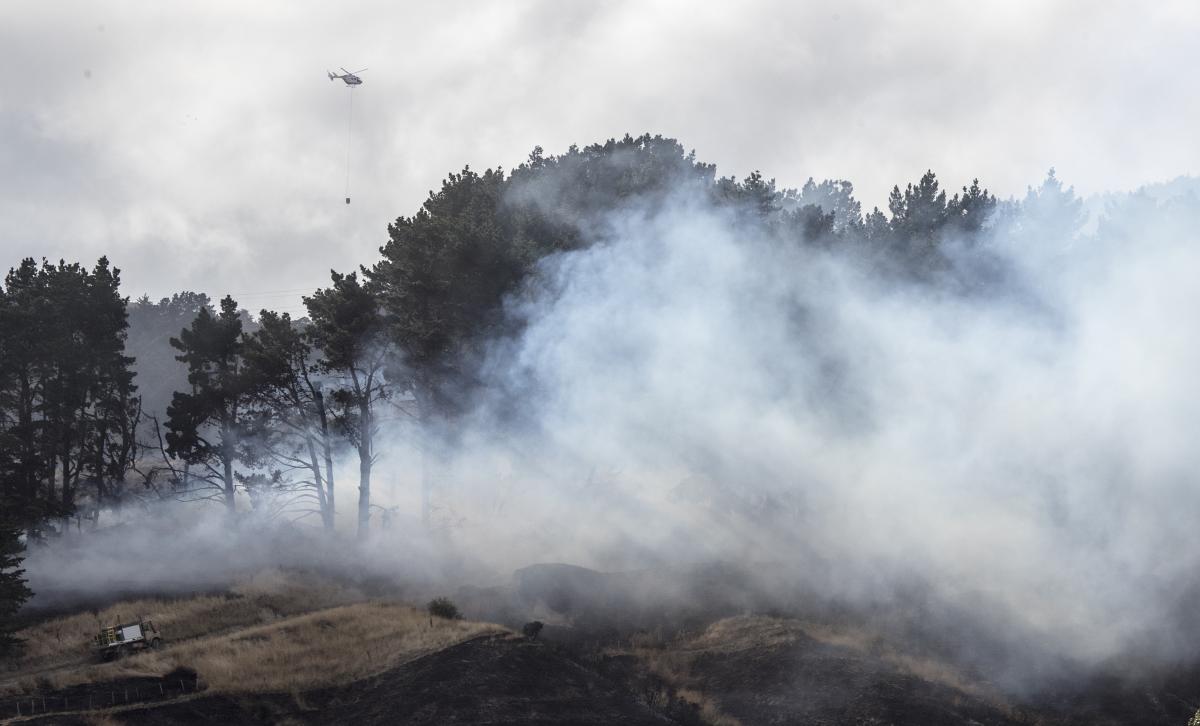
DOC is rolling out a new tool to help figure out what to tackle first when it comes to protecting our threatened species and the things putting them at risk.
Why does this matter? As Nikki Macdonald from The Post points out, we’re a country with around 4,400 threatened species. With limited time and funding, conservation has always meant making tough calls about what gets attention first.
For the first time, DOC has put real numbers around what it would take to do everything needed to properly safeguard our unique natural environment. The new BioInvest tool shows the scale of the challenge: 310,177 actions across 28,007 sites.
Now that we can see the full picture, it brings the big question into focus: how much do we, as Kiwis, truly value protecting nature — and what are we prepared to invest to make it happen?
We hope this brings a smile!


Poll: 🤖 What skills do you think give a CV the ultimate edge in a robot-filled workplace?
The Reserve Bank has shared some pretty blunt advice: there’s no such thing as a “safe” job anymore 🛟😑
Robots are stepping into repetitive roles in factories, plants and warehouses. AI is taking care of the admin tasks that once filled many mid-level office jobs.
We want to know: As the world evolves, what skills do you think give a CV the ultimate edge in a robot-filled workplace?
Want to read more? The Press has you covered!

-
52.7% Human-centred experience and communication
-
14.7% Critical thinking
-
29.8% Resilience and adaptability
-
2.7% Other - I will share below!

Share your favourite main crop potato recipe and win a copy of our mag!
Love potatoes? We will give away free copies of the May 2026 issue to readers whose potato recipes are used in our magazine. To be in the running, make sure you email your family's favourite way to enjoy potatoes: mailbox@nzgardener.co.nz, by March 1, 2026.

 Loading…