





Addictive Eaters Anonymous
FINDING THE ANSWER
I have lived in New Zealand for the last twelve years, after being born and raised in Somerset, England. My parents ran a playgroup in our house for much of my childhood and I made close friends there, but I still felt isolated and different to everyone else.
I always loved food. We were able to help ourselves from the cupboards at home when I was young, with no restrictions. I believe a normal eater would just eat until they were full, but I could not stop. I put extra food in Mum's shopping basket and would gorge on leftovers at night with my friends. My friend’s dad owned a pub and when the half-eaten plates came back, I would pick chips off them, chatting as I did so, to my friends' astonished faces.
From as far back as I can remember, I felt irritated and impatient with people. I would interrupt and correct the teachers at school and have furious rows with my family, then later tell them I loved them. I lived in a fantasy world. My favourite times at school would be writing stories and acting. My emotions were a rollercoaster, up and down. Food made me feel better, soothing all the anxiety. I never realised how dependent I was on food, until it got much worse.

Poll: 🤖 What skills do you think give a CV the ultimate edge in a robot-filled workplace?
The Reserve Bank has shared some pretty blunt advice: there’s no such thing as a “safe” job anymore 🛟😑
Robots are stepping into repetitive roles in factories, plants and warehouses. AI is taking care of the admin tasks that once filled many mid-level office jobs.
We want to know: As the world evolves, what skills do you think give a CV the ultimate edge in a robot-filled workplace?
Want to read more? The Press has you covered!

-
83.3% Human-centred experience and communication
-
16.7% Critical thinking
-
0% Resilience and adaptability
-
0% Other - I will share below!

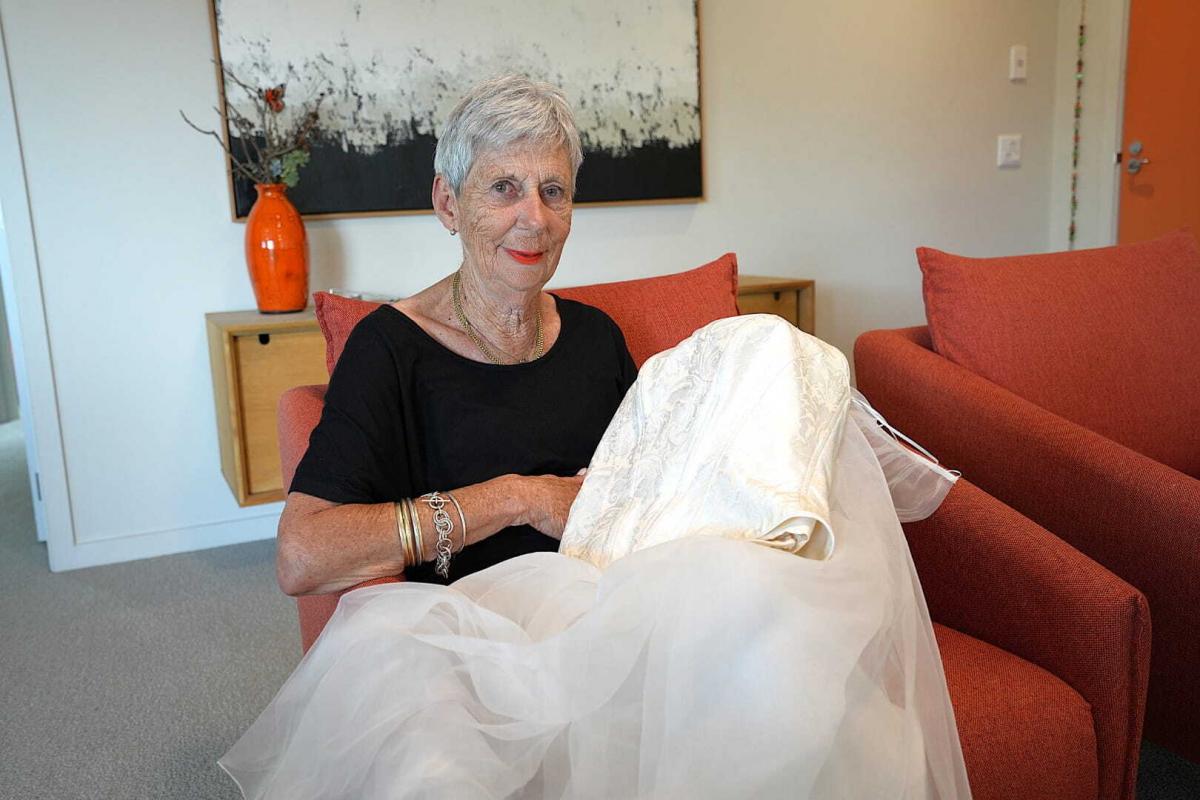
Emma’s wedding dress reveal tells a different love story
A Valentine’s-inspired wedding dress show at Ryman Healthcare’s Logan Campbell Village is providing the perfect opportunity for residents to share memories of their romantic day.
But for Emma Muller, it has also turned into an opportunity to celebrate her late daughter Nicola, who died 19 years ago at the age of 37.
Poll: Should the government levy industries that contribute to financial hardship?
As reported in the Post, there’s a $30 million funding gap in financial mentoring. This has led to services closing and mentors stepping in unpaid just to keep helping people in need 🪙💰🪙
One proposed solution? Small levies on industries that profit from financial hardship — like banks, casinos, and similar companies.
So we want to hear what you think:
Should the government ask these industries to contribute?

-
59.4% Yes, supporting people is important!
-
26.4% No, individuals should take responsibility
-
14.2% ... It is complicated
 Loading…