





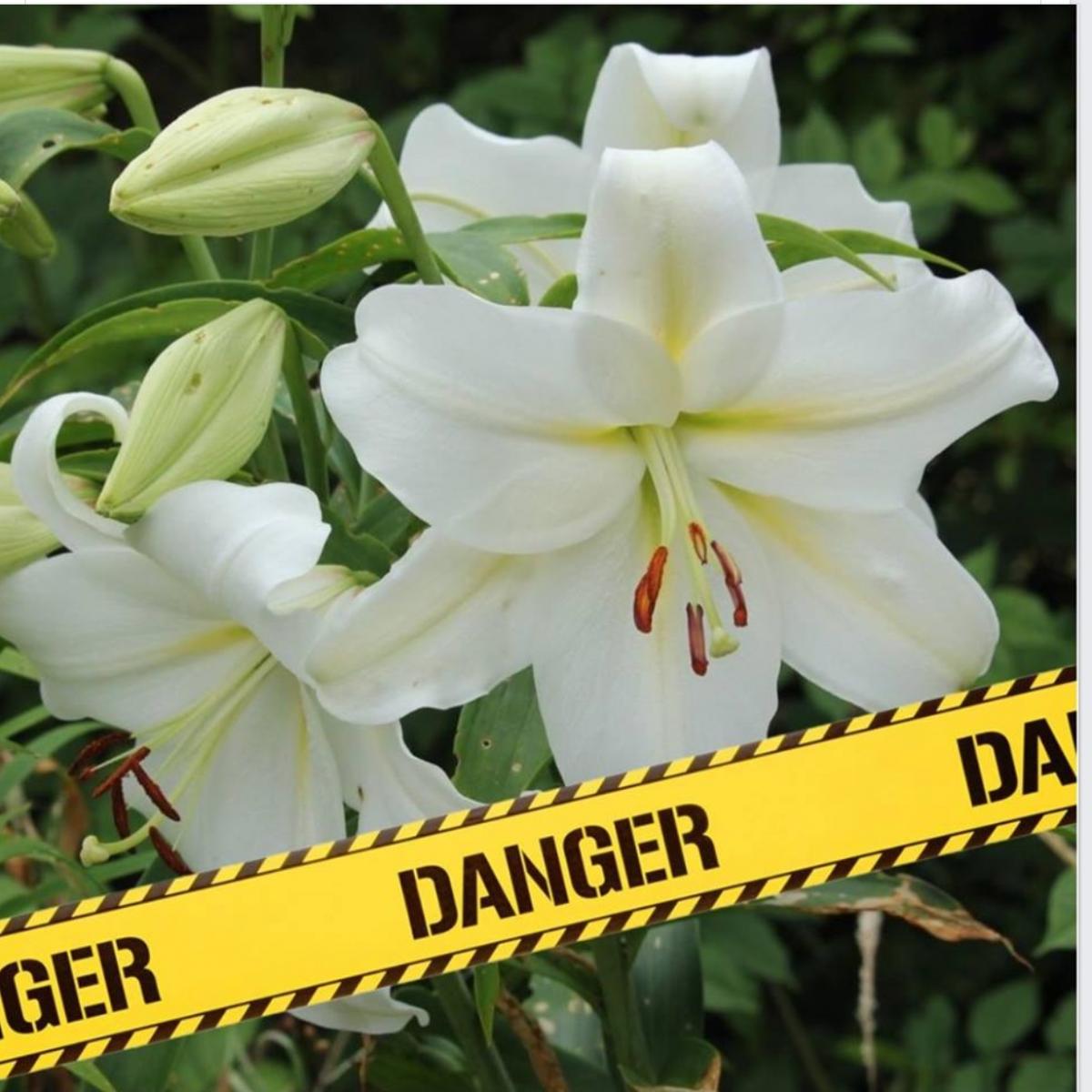
BEWARE - LILIES CAN KILL!
From Gribbles Vets.
At this time of year all types of lilies become quite common in many homes. Lilies of genera Lilium and Hemerocallis (day lilies) have been shown to cause nephrotoxicity in cats.
Cats have been shown to be extremely sensitive to the toxic effects of lilies. As little as 2 leaves or part of a single flower have resulted in deaths. It should be pointed out that the whole plant-petals, stamen, leaves, and pollen are toxic. The exact toxic dose and the precise toxins responsible for renal damage are currently unknown.
The quick onset of clinical signs suggests a rapid absorption rate of the toxin. The renal tubular epithelium appears to be the target of the toxin. Studies indicate that it is the water-soluble fraction of the lily that is nephrotoxic.
In cats, clinical signs of lily intoxication include salivation, vomiting, anorexia, and depression. Polyuric renal failure leads to dehydration and anuric renal failure and death results. No tests to detect lily ingestion are currently available.
Successful treatment includes initiation of fluid diuresis before the onset of anuric renal failure. Once anuria develops, peritoneal dialysis or hemodialysis is the only potential treatment. Differential diagnoses of lily poisoning include any potential cause of acute renal failure in a cat. Prognosis is excellent if fluid diuresis is started before anuric renal failure has developed.
Please remind your clients to be aware of these potentially toxic ornamental house plants.

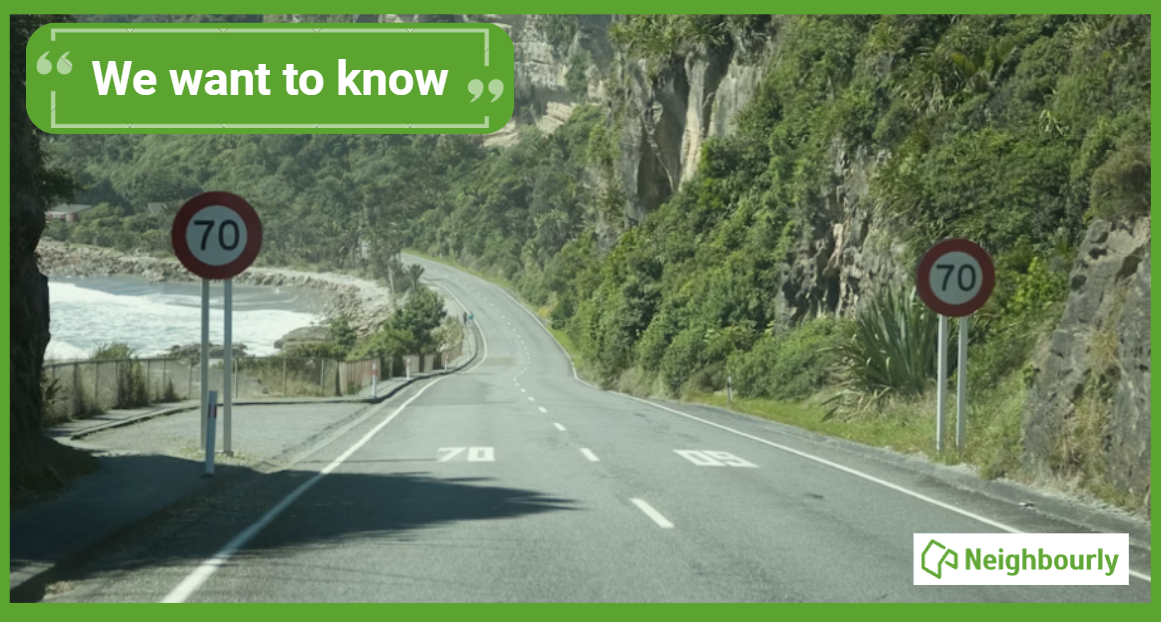
Poll: If we want to reduce speeding, what do you think actually changes driver behaviour? 🛻🚨🚓
In the Post's article on speeding penalties, the question is asked whether speeding fines are truly about road safety, or are they just a way to boost revenue for the Crown?
What do you think? Should speeding motorists receive speeding fines or demerit points?
-
36.3% The sting of a fine (Money talks!)
-
63.7% The threat of demerit points (Nobody wants to lose their license!)
Scam Alert: Bank cold calls
ASB is warning customers about reports of cold calls from scammers claiming to be from ASB. These scammers are trying to obtain personal information, including usernames, dates of birth, and verification codes sent to your mobile phone.
🛡️ The "Caller Check" Test
If you get a call from someone claiming to be from ASB and you’re unsure, just ask them for a Caller Check. You will then be able to verify the call through the app.
Remember, banks will:
❌ Never ask for your banking passwords, PINs, or verification codes
❌ Never need to know your full credit card number – especially the CVC
❌ Never ask you to download software or remotely access your device
❌ Never ask you to purchase gift cards or transfer funds.
If you have received a phone call and think your account has been compromised, call ASB on 0800 ASB FRAUD (0800 272 372), or visit your local branch.

Some Choice News!
DOC is rolling out a new tool to help figure out what to tackle first when it comes to protecting our threatened species and the things putting them at risk.
Why does this matter? As Nikki Macdonald from The Post points out, we’re a country with around 4,400 threatened species. With limited time and funding, conservation has always meant making tough calls about what gets attention first.
For the first time, DOC has put real numbers around what it would take to do everything needed to properly safeguard our unique natural environment. The new BioInvest tool shows the scale of the challenge: 310,177 actions across 28,007 sites.
Now that we can see the full picture, it brings the big question into focus: how much do we, as Kiwis, truly value protecting nature — and what are we prepared to invest to make it happen?
We hope this brings a smile!

 Loading…