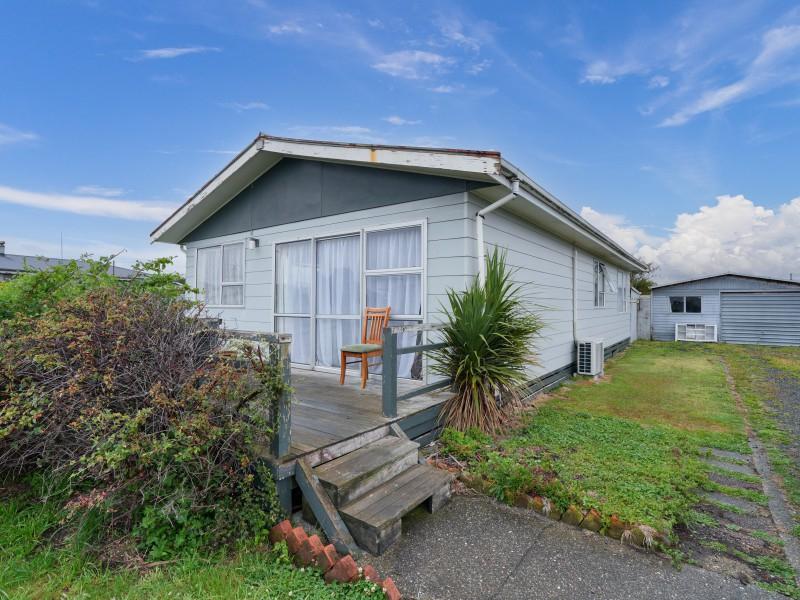





Often imitated, never duplicated
Thank you Fair Go for exposing the many copycat products that simply do not perform as they claim. Plug In Pest Free is the only ElectroMagnetic, Chemical-free product that has been scientifically tested. It works by sending pulses through a buildings' wiring to repel rats, mice and cockroaches.
For a limited time only buy one domestic unit and get a second half price (saving $80). Pricing includes postage.
* HACCP Approved
* Long lasting
* 20 years proven results
* Word of mouth referrals
* Eco friendly
* Safe for pets and humans, and protects electronic wiring
* Non toxic
* No odours
* No fumes
* No mess
* 2 year warranty
Visit our website for more proof or to choose from our range. Or phone 0800 001 333.


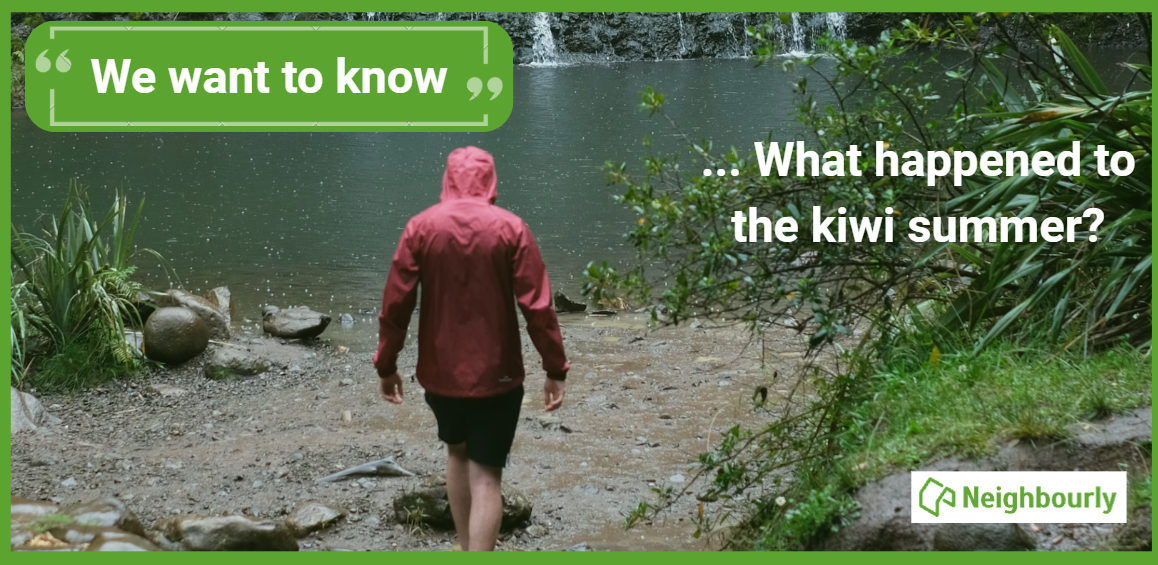
☔️ Where’d the summer go?
It’s the talk of the town (and every coffee queue): the Canterbury "summer" has felt a bit wet this year! We’ve definitely had our fair share of grey skies and raincoats lately 🌧️ In fact, the Post reports that Christchurch experienced almost double our usual!
While the forecast is looking bright for this weekend (fingers crossed!), we aren't out of the woods ... there are a few more cold fronts lining up before winter hits.
We want to hear from you: What are your go-to rainy-day activities? Whether you’re a local legend at the indoor courts or a professional movie-marathoner, share your secrets with us!
Drop your favourite rainy-day tips or photos in the comments below! 👇
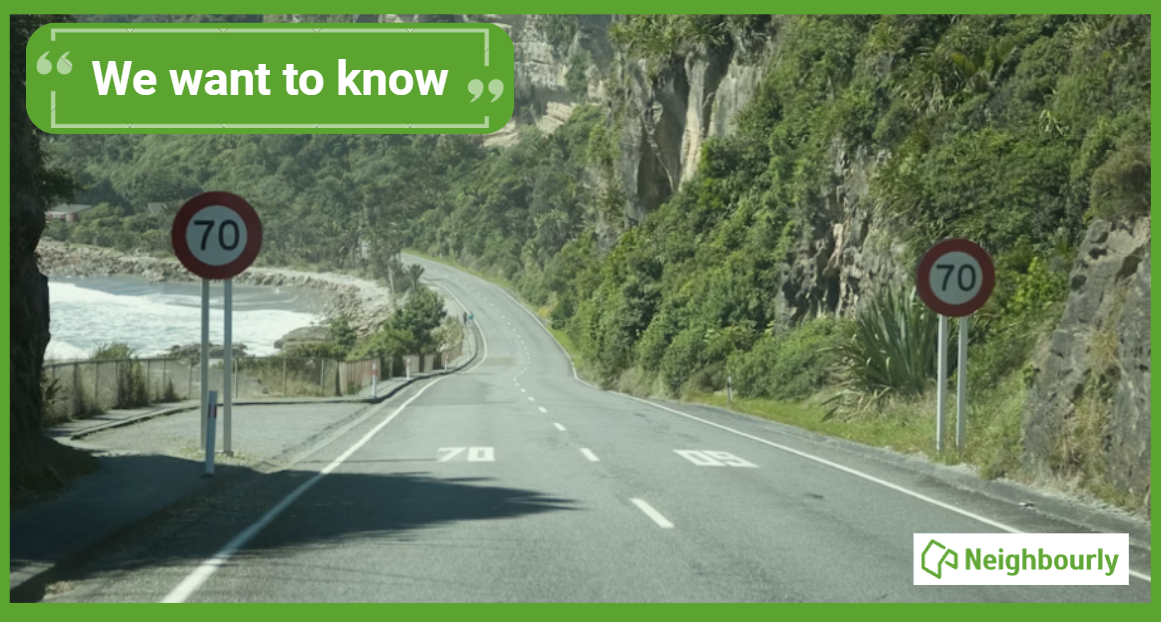
Poll: If we want to reduce speeding, what do you think actually changes driver behaviour? 🛻🚨🚓
In the Post's article on speeding penalties, the question is asked whether speeding fines are truly about road safety, or are they just a way to boost revenue for the Crown?
What do you think? Should speeding motorists receive speeding fines or demerit points?
-
37.1% The sting of a fine (Money talks!)
-
62.9% The threat of demerit points (Nobody wants to lose their license!)

Some Choice News!
DOC is rolling out a new tool to help figure out what to tackle first when it comes to protecting our threatened species and the things putting them at risk.
Why does this matter? As Nikki Macdonald from The Post points out, we’re a country with around 4,400 threatened species. With limited time and funding, conservation has always meant making tough calls about what gets attention first.
For the first time, DOC has put real numbers around what it would take to do everything needed to properly safeguard our unique natural environment. The new BioInvest tool shows the scale of the challenge: 310,177 actions across 28,007 sites.
Now that we can see the full picture, it brings the big question into focus: how much do we, as Kiwis, truly value protecting nature — and what are we prepared to invest to make it happen?
We hope this brings a smile!

 Loading…