





THE HARMFUL EFFECTS OF MARIJUANA
For those voting about MARIJUANA a few facts might be useful.
If this is decriminalised SO many more people will be driving under the influence, putting you and me and our children at far more risk.
The immediate effects of taking marijuana include rapid heart beat, disorientation, lack of physical coordination, often followed by depression or sleepiness. Some users suffer panic attacks or anxiety.22
But the problem does not end there. According to scientific studies, the active ingredient in cannabis, THC, remains in the body for weeks or even months.23
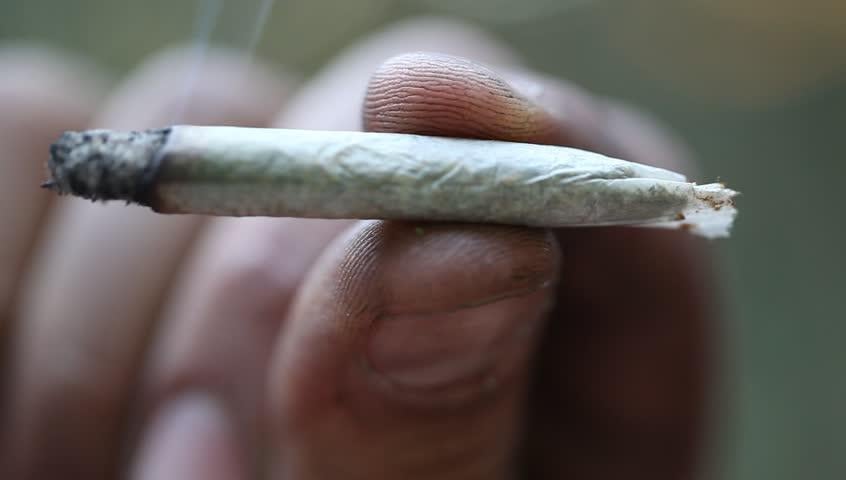
Marijuana smoke contains 50% to 70% more cancer-causing substances than tobacco smoke.24 One major research study reported that a single cannabis joint could cause as much damage to the lungs as up to five regular cigarettes smoked one after another.4 Long-time joint smokers often suffer from bronchitis, an inflammation of the respiratory tract.25
The drug can affect more than your physical health. Studies in Australia in 2008 linked years of heavy marijuana use to brain abnormalities.26 This is backed up by earlier research on the long-term effects of marijuana, which indicate changes in the brain similar to those caused by long-term abuse of other major drugs. And a number of studies have shown a connection between continued marijuana use and psychosis.27
Marijuana can change the structure of sperm cells, deforming them.
Thus even small amounts of marijuana can cause temporary sterility in men.28 Marijuana use can also disrupt a woman’s menstrual cycle.29
Studies show that the mental functions of people who have smoked a lot of marijuana tend to be diminished. The THC in cannabis disrupts nerve cells in the brain, affecting memory.30
Cannabis is one of the few drugs that causes abnormal cell division, which leads to severe hereditary defects. A pregnant woman who regularly smokes marijuana or hashish may give birth prematurely to an undersized, underweight baby. Over the last 10 years many children of marijuana users have been born with reduced initiative and lessened abilities to concentrate and pursue life goals.31 Studies also suggest that prenatal (before birth) use of the drug may result in birth defects, mental abnormalities and increased risk of leukemia (cancer of the bone marrow) in children.31
www.drugfreeworld.org...

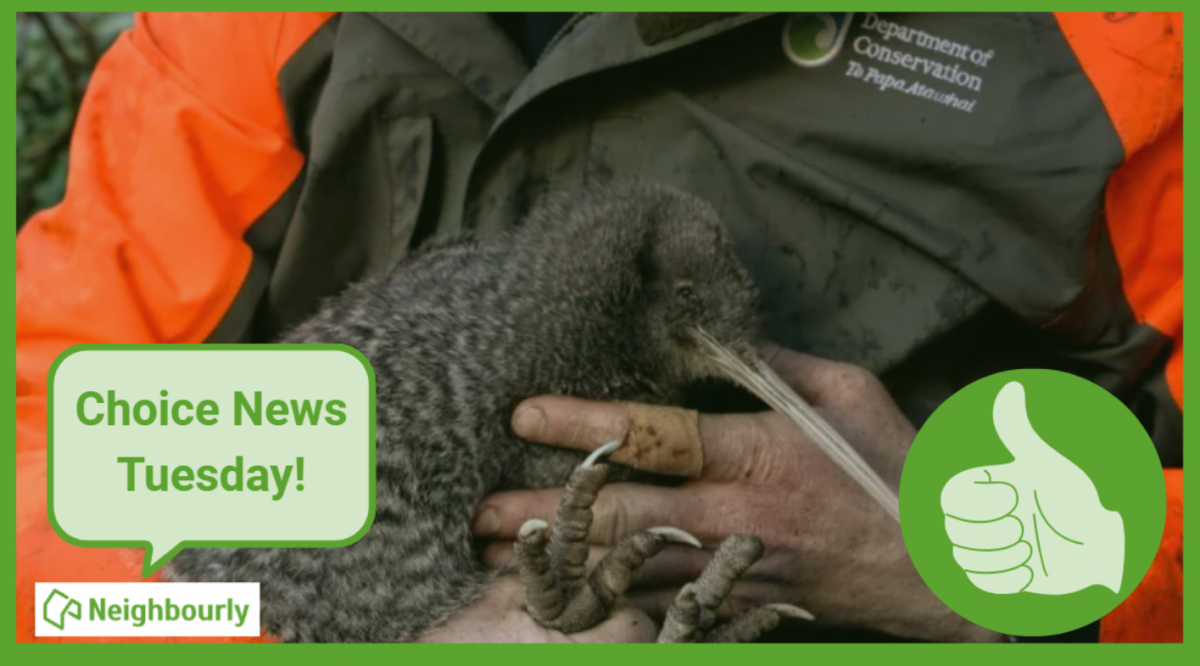
Some Choice News!
DOC is rolling out a new tool to help figure out what to tackle first when it comes to protecting our threatened species and the things putting them at risk.
Why does this matter? As Nikki Macdonald from The Post points out, we’re a country with around 4,400 threatened species. With limited time and funding, conservation has always meant making tough calls about what gets attention first.
For the first time, DOC has put real numbers around what it would take to do everything needed to properly safeguard our unique natural environment. The new BioInvest tool shows the scale of the challenge: 310,177 actions across 28,007 sites.
Now that we can see the full picture, it brings the big question into focus: how much do we, as Kiwis, truly value protecting nature — and what are we prepared to invest to make it happen?
We hope this brings a smile!

Scam Alert: Bank cold calls
ASB is warning customers about reports of cold calls from scammers claiming to be from ASB. These scammers are trying to obtain personal information, including usernames, dates of birth, and verification codes sent to your mobile phone.
🛡️ The "Caller Check" Test
If you get a call from someone claiming to be from ASB and you’re unsure, just ask them for a Caller Check. You will then be able to verify the call through the app.
Remember, banks will:
❌ Never ask for your banking passwords, PINs, or verification codes
❌ Never need to know your full credit card number – especially the CVC
❌ Never ask you to download software or remotely access your device
❌ Never ask you to purchase gift cards or transfer funds.
If you have received a phone call and think your account has been compromised, call ASB on 0800 ASB FRAUD (0800 272 372), or visit your local branch.
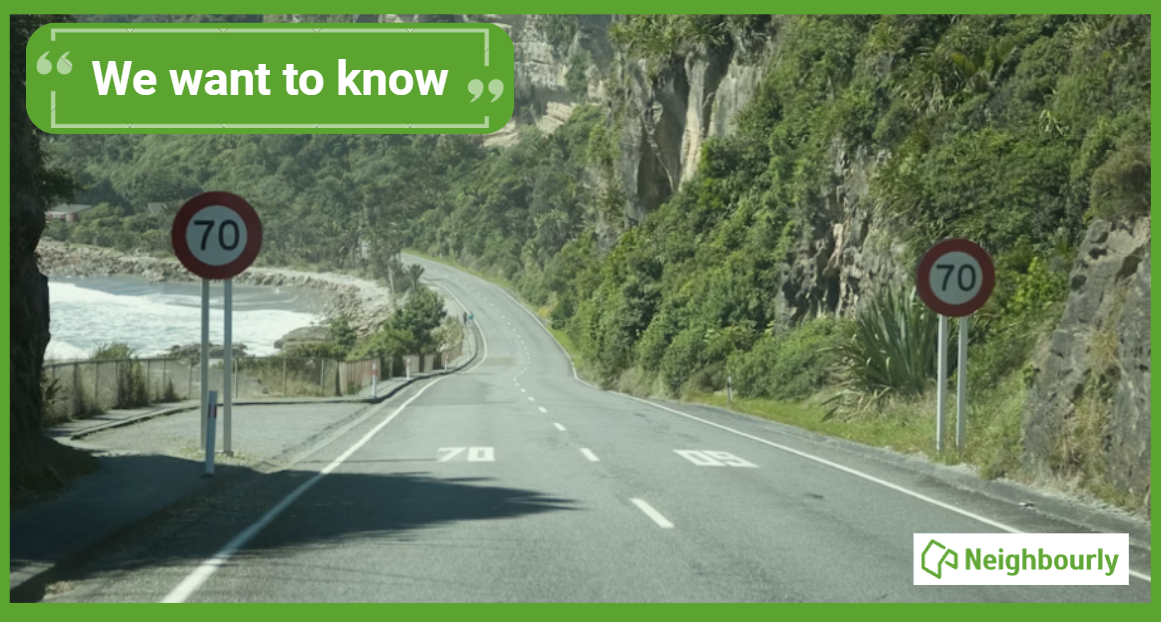
Poll: If we want to reduce speeding, what do you think actually changes driver behaviour? 🛻🚨🚓
In the Post's article on speeding penalties, the question is asked whether speeding fines are truly about road safety, or are they just a way to boost revenue for the Crown?
What do you think? Should speeding motorists receive speeding fines or demerit points?
-
36.5% The sting of a fine (Money talks!)
-
63.5% The threat of demerit points (Nobody wants to lose their license!)
 Loading…