





Tech-tip - Securely Disposing of Your Mobile Device
Overview
Mobile devices, such as smartphones, smartwatches, and tablets, continue to advance and we continue to change these on a yearly basis or as soon as a new device is available. This just means we now have a lot of devices carrying information about us and others close to us.
Your Information
Mobile devices store far more sensitive data than you may realize, oftentimes more than even your computer. Typical information can include:
•
Where you live, work, and places you frequently visit
, employee details, IRD numbers (making it easy for identity theft)
•The contact details for everyone in your address book and applications, including family, friends, and coworkers
•
Call history, including inbound, outbound, and missed calls
•
SMS (texting), voice, and multimedia messages
•
Chat sessions within applications like secure chat, games, and social media
•
Location history based on GPS coordinates or cell tower history
•
Web browsing history, search history, cookies, and cached pages
•
Personal photos, videos, audio recordings, and emails
•
Stored passwords and access to personal accounts, such as your online bank or email
•
Access to photos, files, or information stored in the Cloud
•
Any health-related information, including your age, heart rate, blood pressure, or diet
When disposing of your mobile device, be sure to do a factory reset and remove the SIM and any SD cards if your device has them.
(so many resources are available to assist you do the above on the net and most vendor sites some with videos)

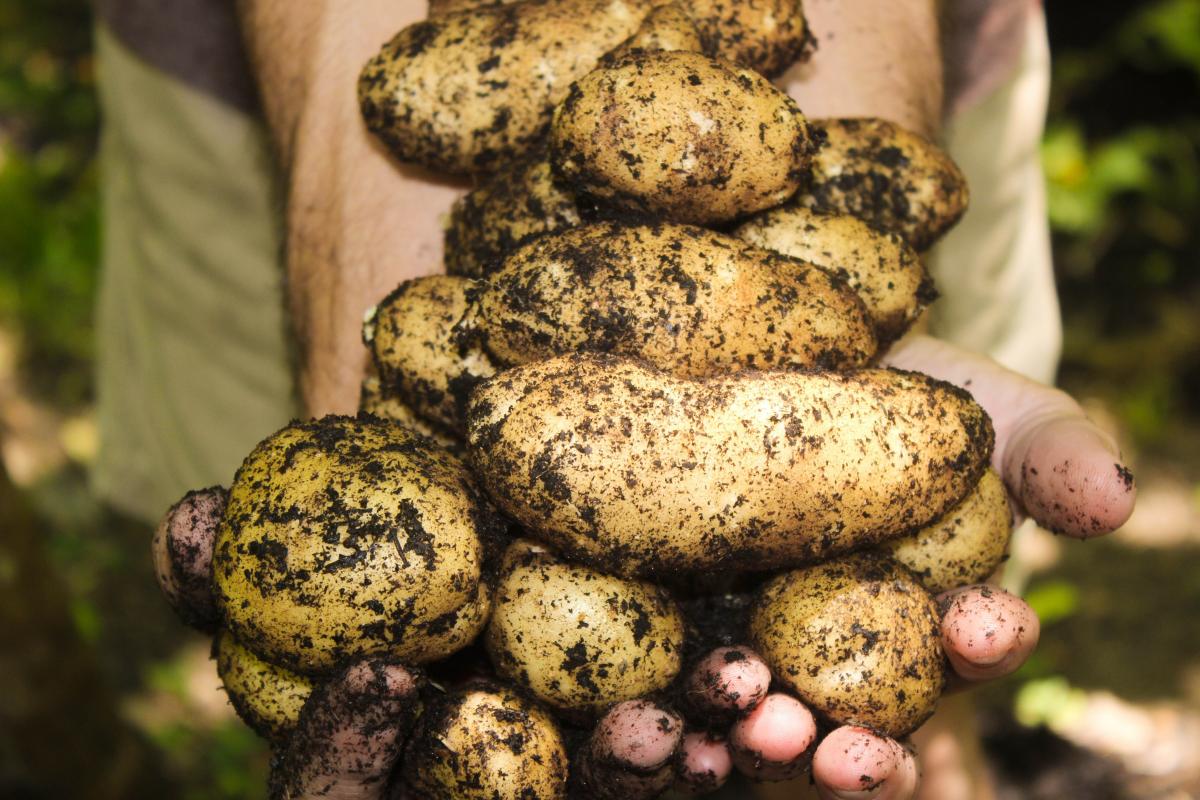
Share your favourite main crop potato recipe and win a copy of our mag!
Love potatoes? We will give away free copies of the May 2026 issue to readers whose potato recipes are used in our magazine. To be in the running, make sure you email your family's favourite way to enjoy potatoes: mailbox@nzgardener.co.nz, by March 1, 2026.

Poll: 🤖 What skills do you think give a CV the ultimate edge in a robot-filled workplace?
The Reserve Bank has shared some pretty blunt advice: there’s no such thing as a “safe” job anymore 🛟😑
Robots are stepping into repetitive roles in factories, plants and warehouses. AI is taking care of the admin tasks that once filled many mid-level office jobs.
We want to know: As the world evolves, what skills do you think give a CV the ultimate edge in a robot-filled workplace?
Want to read more? The Press has you covered!
-
52.6% Human-centred experience and communication
-
14.8% Critical thinking
-
29.8% Resilience and adaptability
-
2.8% Other - I will share below!

Some Choice News!
DOC is rolling out a new tool to help figure out what to tackle first when it comes to protecting our threatened species and the things putting them at risk.
Why does this matter? As Nikki Macdonald from The Post points out, we’re a country with around 4,400 threatened species. With limited time and funding, conservation has always meant making tough calls about what gets attention first.
For the first time, DOC has put real numbers around what it would take to do everything needed to properly safeguard our unique natural environment. The new BioInvest tool shows the scale of the challenge: 310,177 actions across 28,007 sites.
Now that we can see the full picture, it brings the big question into focus: how much do we, as Kiwis, truly value protecting nature — and what are we prepared to invest to make it happen?
We hope this brings a smile!

 Loading…