





stop road user charges
The issue
Stop New Zealand’s Electronic Road User Charges (eRUC) Surveillance System
To: New Zealand Government, Ministry of Transport, Members of Parliament
What’s at Stake? The upcoming electronic Road User Charges (eRUC) system will use GPS and digital tracking to monitor vehicle movements for charging purposes. This means the government will collect detailed data on where, when, and how far every vehicle travels—affecting every driver in New Zealand.
Why This Matters:
1. This system builds a massive surveillance framework that risks your privacy and freedom of movement.
2. Data breaches and misuse of such sensitive vehicle location data are real and documented risks.
3. It sets a precedent for linking vehicle tracking with government digital ID systems and Central Bank Digital Currencies (CBDCs), leading to unprecedented citizen monitoring and control.
4. Once in place, reversing this system will be extremely difficult, gradually normalizing constant government tracking.
5. New Zealand’s only oil refinery, Marsden Point, has been non-operational since 2022, meaning we fully rely on imported refined fuels subject to volatile global markets.
6. The public has no direct control or say over rising fuel prices, which are influenced by international supply, demand, and geopolitics.
7. The government does not set fuel prices and can impose additional taxes at any time, potentially increasing costs at the pump without meaningful public input.
8. This lack of fuel price control combined with the shift to electronic road user charges raises serious concerns about fairness and financial burden on New Zealanders.
What We Want:
1. Halt the rollout of the eRUC system until thorough, independent privacy impact assessments are done with full public consultation.
2. Enforce strict privacy protections: collect only essential data, minimise retention, and ban data sharing beyond billing.
3. Provide opt-out alternatives so drivers are not forced into digital tracking systems.
4. Transparent legal limits preventing integration with digital ID or CBDC platforms.
5. Recognition that the absence of a domestic refinery and dependence on imported fuels limits public influence over fuel costs, underscoring the need for fair and transparent road user charging.
Join Us:
By signing this petition, you stand up for your right to privacy, freedom from constant government surveillance, and fair treatment in fuel and road user charges. Together, we can demand a safer, fairer road user charging system that respects New Zealand values. petition link chng.it...

🎉 Riddle me this, legends! 🎉
He/She who makes it, sells it.
He/She who buys it, doesn't use it.
The user doesn't know they are using it.
What is it?
(Shezz from Ngāruawāhia kindly provided this head-scratcher ... thanks, Shezz!)
Do you think you know the answer? Simply 'Like' this post if you know the answer and the big reveal will be posted in the comments at 2pm on the day!
Want to stop seeing these in your newsfeed?
Head here and hover on the Following button on the top right of the page (and it will show Unfollow) and then click it. If it is giving you the option to Follow, then you've successfully unfollowed the Riddles page.


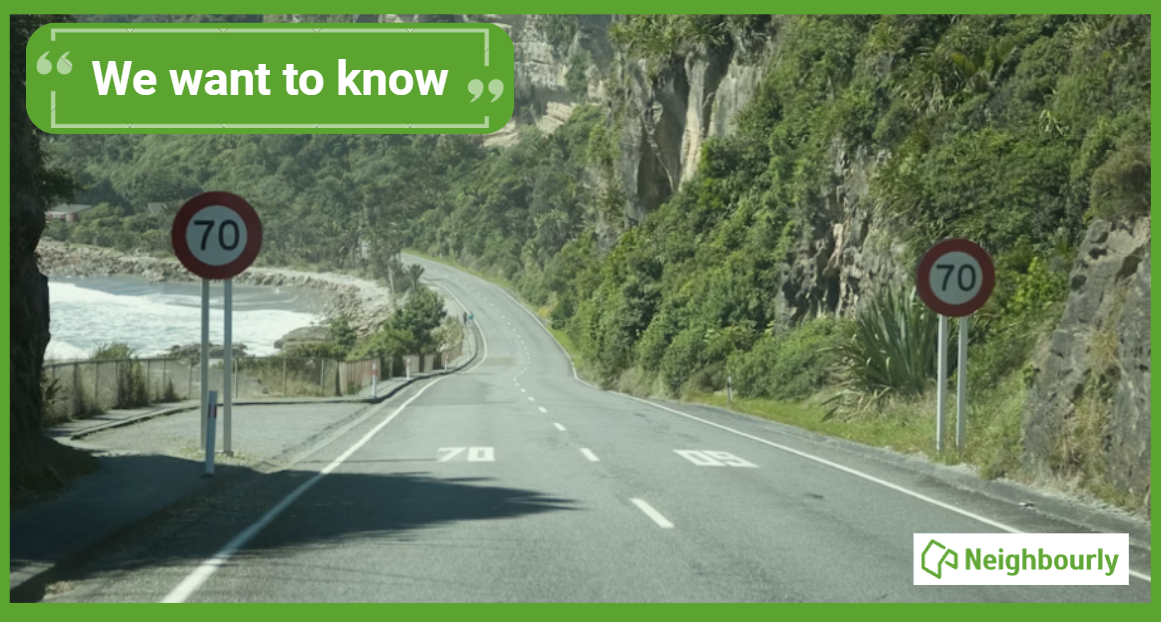
Poll: If we want to reduce speeding, what do you think actually changes driver behaviour? 🛻🚨🚓
In the Post's article on speeding penalties, the question is asked whether speeding fines are truly about road safety, or are they just a way to boost revenue for the Crown?
What do you think? Should speeding motorists receive speeding fines or demerit points?
-
37.2% The sting of a fine (Money talks!)
-
62.8% The threat of demerit points (Nobody wants to lose their license!)
Scam Alert: Bank cold calls
ASB is warning customers about reports of cold calls from scammers claiming to be from ASB. These scammers are trying to obtain personal information, including usernames, dates of birth, and verification codes sent to your mobile phone.
🛡️ The "Caller Check" Test
If you get a call from someone claiming to be from ASB and you’re unsure, just ask them for a Caller Check. You will then be able to verify the call through the app.
Remember, banks will:
❌ Never ask for your banking passwords, PINs, or verification codes
❌ Never need to know your full credit card number – especially the CVC
❌ Never ask you to download software or remotely access your device
❌ Never ask you to purchase gift cards or transfer funds.
If you have received a phone call and think your account has been compromised, call ASB on 0800 ASB FRAUD (0800 272 372), or visit your local branch.
 Loading…