




WHAT CAN A ROMALPA CLAUSE DO FOR YOU?
If you are in business, you will experience at some stage the consequences of not being paid by your customers. Bad debt costs New Zealand businesses billions of dollars each year and causes many businesses to fail. Don’t become a statistic – protect your business.
For any business, best practice is to have well-drafted Terms of Trade in place which are tailored to your specific business activities. Your Terms of Trade need to form part of your contract with your customer, so either have your customer sign them, click a button on your website to confirm they agree to them, or send a copy to your customer before you supply goods or services.
Where your business supplies goods, your Terms of Trade (and any other supply agreements) should include a Romalpa clause, which is also known as a “reservation of title” clause. It provides that until full payment is received from the buyer, ownership of the goods sold remains with the seller, although the buyer is allowed to take delivery of the goods. Risk of loss and damage in the goods passes to the buyer upon delivery, but if the buyer does not pay, the seller can repossess the goods.
There may be practical difficulties in repossessing the goods (say, if the costs of doing so are very high). As a seller, you may also wish to also provide that you are entitled to the proceeds if the buyer sells the goods to a third party or manufactures new goods out of the goods supplied.
If you are a buyer, under the Consumer Guarantees Act 1993, you are entitled to be told about the possibility of the goods being taken off you if you do not pay for them by a certain date and you must have been given a copy of the Terms of Trade (or other document) telling you that the seller has these rights.
A Romalpa clause means that the seller takes a “security interest” in all goods supplied. However, a seller with such an interest may lose priority to another creditor and walk away with nothing if it does not register the interest on the Personal Property Securities Register (“PPSR”).
Registration on the PPSR:
· improves the seller’s chance of recovering the debt owed if the buyer defaults; and
· gives the seller priority over creditors with an unperfected security interest in the same goods or a security interest perfected later in time.
A Romalpa clause may qualify as a “purchase money security interest” (“PMSI”). If a PMSI exists it will give the seller additional priority over security interests already registered in the same goods but only if registration takes place within certain periods of time (for example, a security interest for inventory must be registered by the time the buyer takes possession of the goods).
In summary, it is important for a seller to:
· Have Terms of Trade in place, which the buyer has agreed to.
· Include a Romalpa clause in the Terms of Trade and draw this clause to the buyer’s attention.
· Register a security interest on the PPSR (at least for significant sales) to give the seller a better chance of recovering the debt if the buyer defaults.
· Register within the specified time periods.
Our commercial team at Corcoran French is experienced in ensuring that our clients take appropriate steps to protect their business from bad debts. If you would like to know more about our services, then we are available to assist.

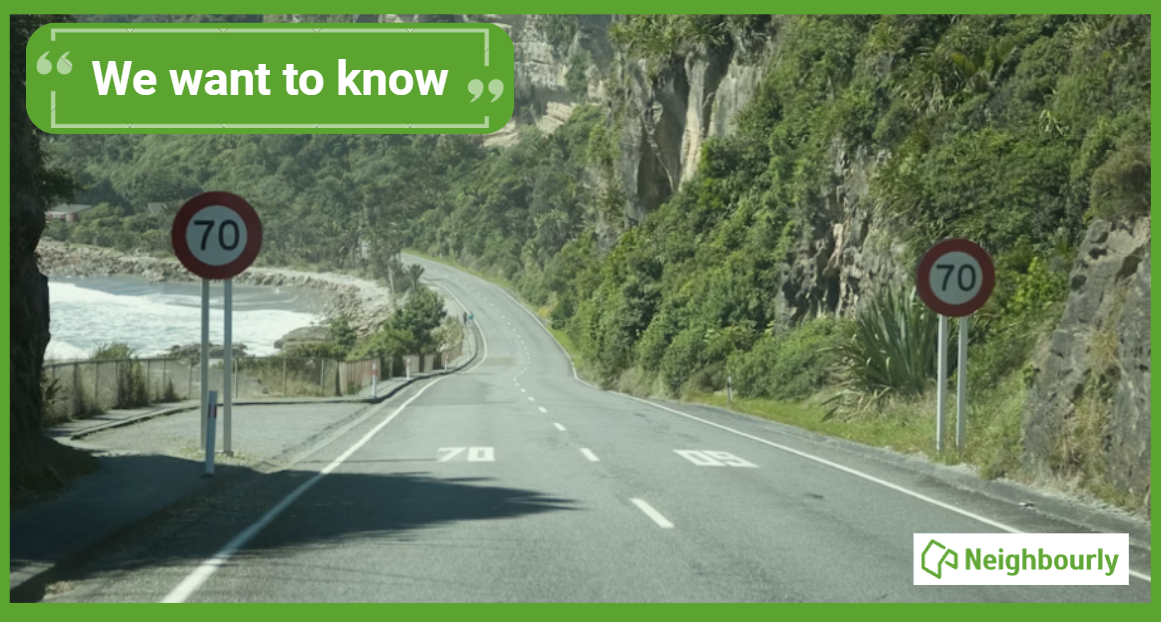
Poll: If we want to reduce speeding, what do you think actually changes driver behaviour? 🛻🚨🚓
In the Post's article on speeding penalties, the question is asked whether speeding fines are truly about road safety, or are they just a way to boost revenue for the Crown?
What do you think? Should speeding motorists receive speeding fines or demerit points?
-
36.4% The sting of a fine (Money talks!)
-
63.6% The threat of demerit points (Nobody wants to lose their license!)
Scam Alert: Bank cold calls
ASB is warning customers about reports of cold calls from scammers claiming to be from ASB. These scammers are trying to obtain personal information, including usernames, dates of birth, and verification codes sent to your mobile phone.
🛡️ The "Caller Check" Test
If you get a call from someone claiming to be from ASB and you’re unsure, just ask them for a Caller Check. You will then be able to verify the call through the app.
Remember, banks will:
❌ Never ask for your banking passwords, PINs, or verification codes
❌ Never need to know your full credit card number – especially the CVC
❌ Never ask you to download software or remotely access your device
❌ Never ask you to purchase gift cards or transfer funds.
If you have received a phone call and think your account has been compromised, call ASB on 0800 ASB FRAUD (0800 272 372), or visit your local branch.

Some Choice News!
DOC is rolling out a new tool to help figure out what to tackle first when it comes to protecting our threatened species and the things putting them at risk.
Why does this matter? As Nikki Macdonald from The Post points out, we’re a country with around 4,400 threatened species. With limited time and funding, conservation has always meant making tough calls about what gets attention first.
For the first time, DOC has put real numbers around what it would take to do everything needed to properly safeguard our unique natural environment. The new BioInvest tool shows the scale of the challenge: 310,177 actions across 28,007 sites.
Now that we can see the full picture, it brings the big question into focus: how much do we, as Kiwis, truly value protecting nature — and what are we prepared to invest to make it happen?
We hope this brings a smile!

 Loading…