



Garden Bugs
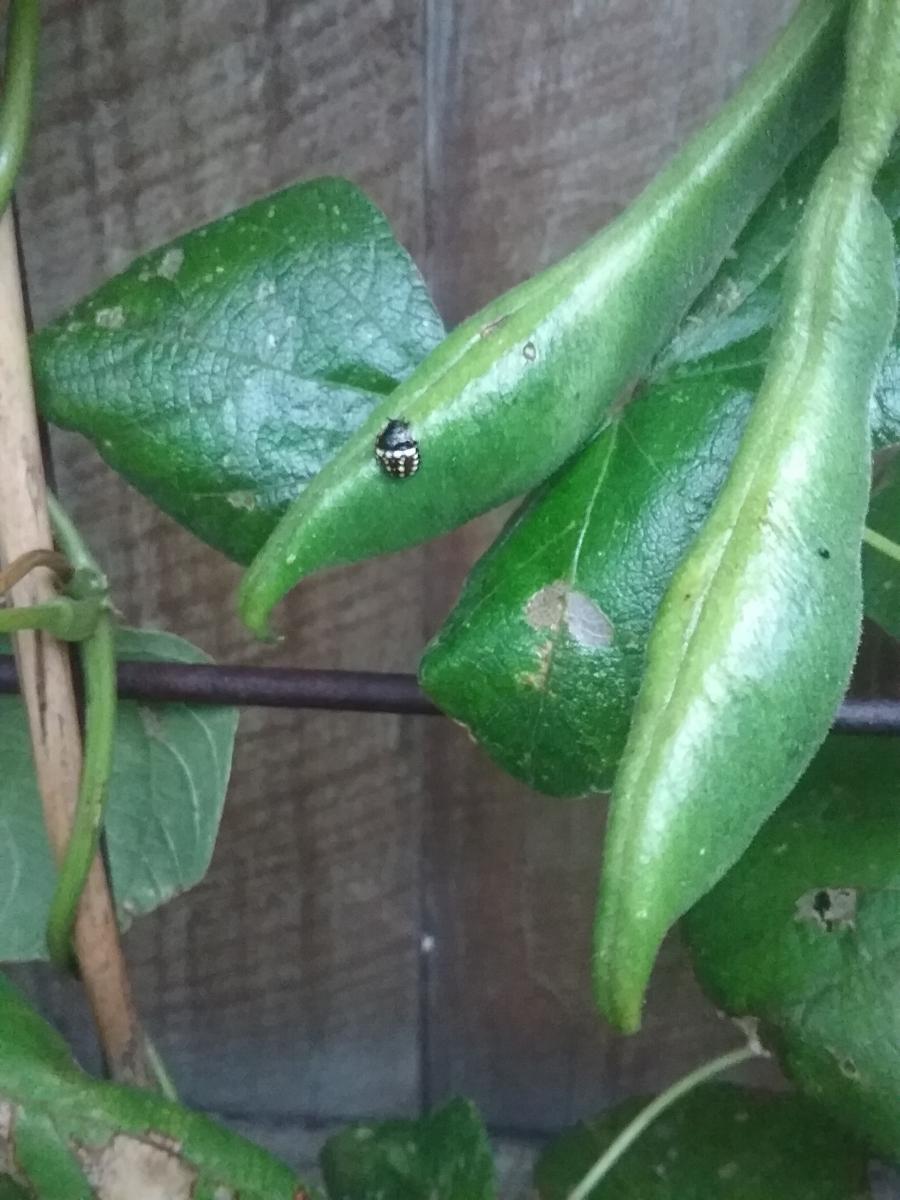
Have you or your children noticed some pretty little black bugs with yellow or white spots that sort of look like ladybugs in your vege garden lately?
They could be on your bean plants, tomatoes, grape vines or various other plants.
The bad news is that they aren't ladybugs or even pretty in any way. They are in fact the nymphs of the green vegetable bug (Nezara viridula), a sap sucking bug that will suck the life out of your tomatoes, beans, grape vines and all sorts of other garden plants. The green vegetable bug is also known as, green stink beetle as they emit a pungent smell when crushed and also shield bugs because of their shape in adult form. I have found that fly spray seems to upset the little buggers in their nymph form which seem to be active now, and but of course there are more active remedies available from your favourite garden shop. Always check under leaves for the eggs which will be in a group of about 60 and rub them off. The green vegetable bug (Nezara viridula) has been in NZ since1944.
PLEASE NOTE, these are not the brown marmorated stink bug/Asian stink bug that MPI want reported to them if seen.
nzacfactsheets.landcareresearch.co.nz...

Poll: If we want to reduce speeding, what do you think actually changes driver behaviour? 🛻🚨🚓
In the Post's article on speeding penalties, the question is asked whether speeding fines are truly about road safety, or are they just a way to boost revenue for the Crown?
What do you think? Should speeding motorists receive speeding fines or demerit points?
-
36.4% The sting of a fine (Money talks!)
-
63.6% The threat of demerit points (Nobody wants to lose their license!)
Scam Alert: Bank cold calls
ASB is warning customers about reports of cold calls from scammers claiming to be from ASB. These scammers are trying to obtain personal information, including usernames, dates of birth, and verification codes sent to your mobile phone.
🛡️ The "Caller Check" Test
If you get a call from someone claiming to be from ASB and you’re unsure, just ask them for a Caller Check. You will then be able to verify the call through the app.
Remember, banks will:
❌ Never ask for your banking passwords, PINs, or verification codes
❌ Never need to know your full credit card number – especially the CVC
❌ Never ask you to download software or remotely access your device
❌ Never ask you to purchase gift cards or transfer funds.
If you have received a phone call and think your account has been compromised, call ASB on 0800 ASB FRAUD (0800 272 372), or visit your local branch.

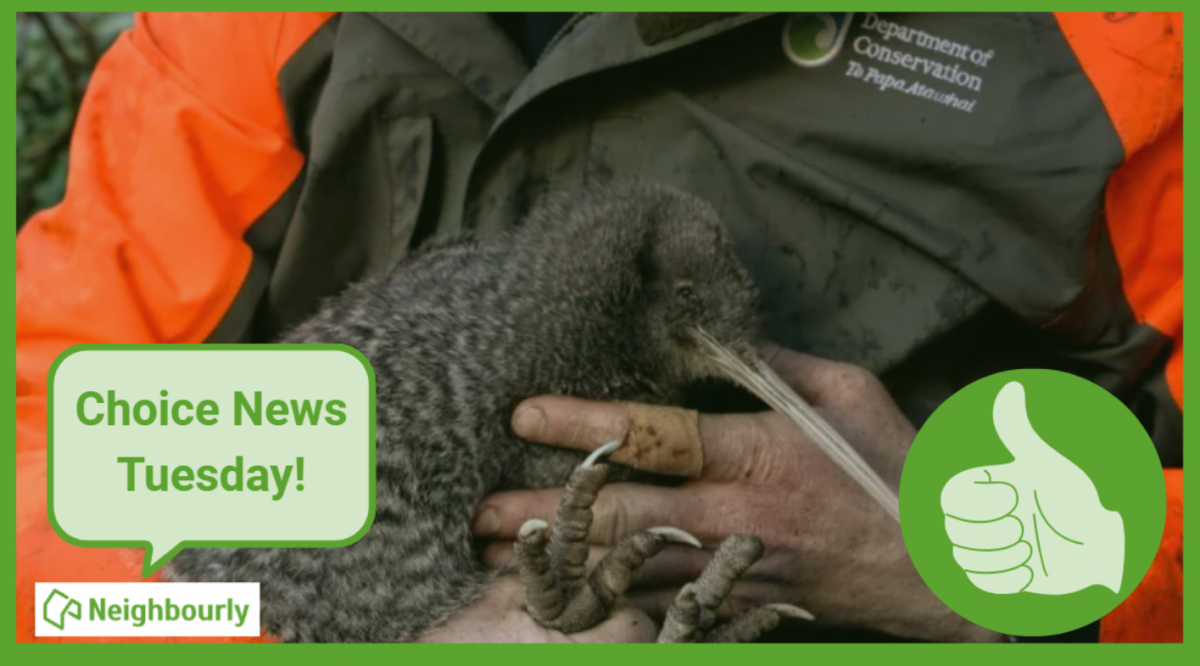
Some Choice News!
DOC is rolling out a new tool to help figure out what to tackle first when it comes to protecting our threatened species and the things putting them at risk.
Why does this matter? As Nikki Macdonald from The Post points out, we’re a country with around 4,400 threatened species. With limited time and funding, conservation has always meant making tough calls about what gets attention first.
For the first time, DOC has put real numbers around what it would take to do everything needed to properly safeguard our unique natural environment. The new BioInvest tool shows the scale of the challenge: 310,177 actions across 28,007 sites.
Now that we can see the full picture, it brings the big question into focus: how much do we, as Kiwis, truly value protecting nature — and what are we prepared to invest to make it happen?
We hope this brings a smile!
 Loading…