




Another Unfortunate Experiment - Diabetes in Situ?
At NZ's National Women's Hospital, 30 years ago women diagnosed with carcinoma in situ (CIS), were not all treated with the best available care. This became known as "The Unfortunate Experiment."
In NZ today, because insulin testing is only available in main hospitals and can only be ordered by a few specialists, a pre-diabetic condition Dr Joseph Craft calls "diabetes in situ" is not diagnosed.
Diabetes in situ is something most people over 40 have developed, even though your doctor says, "You are healthy." This is about where you draw the line between sickness and health. It's also about when you first understand that if you don't make some changes to your lifestyle, you are headed for major problems.
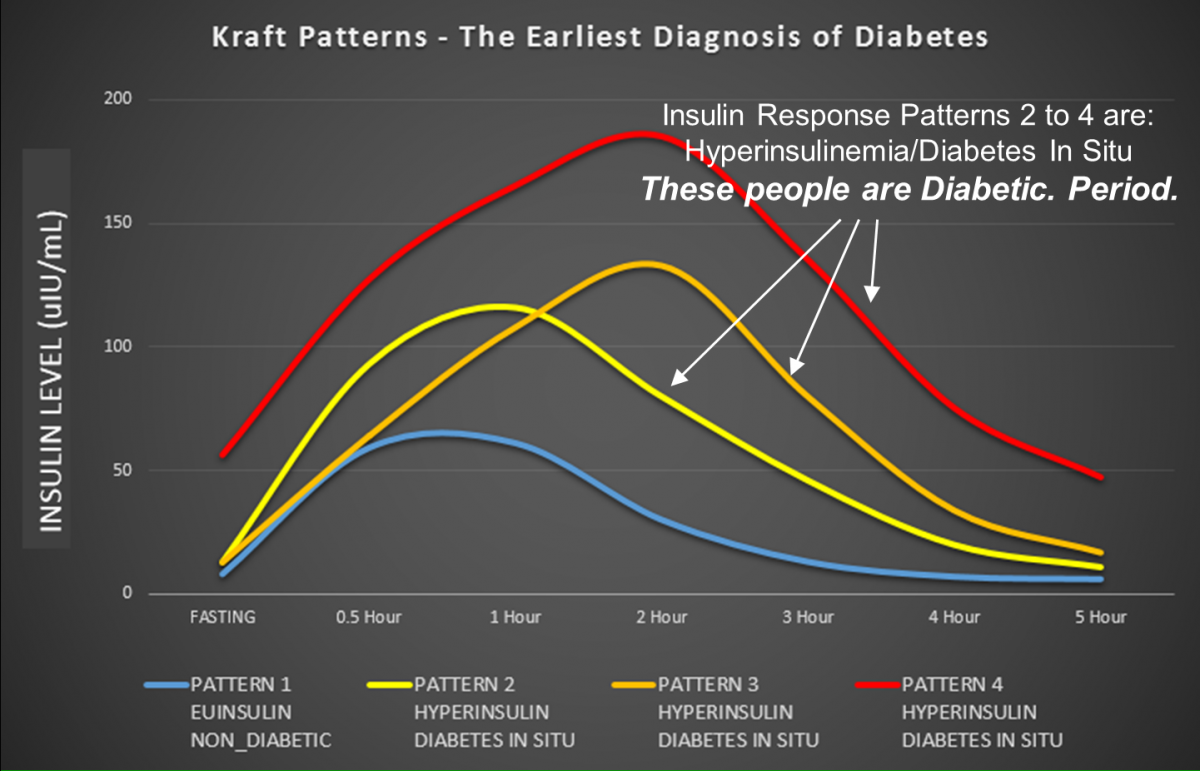
In the diagram below, we're showing the insulin response to a glucose drink over four hours. (You usually see the glucose response on a similar graph.) The people on the red line using the common HbA1c test , or a fasting glucose test would be diagnosed as diabetic. The people on the blue line are healthy. Those on the yellow or orange line, according to Joseph Kraft, have diabetes in situ, but in NZ, they would not be identified as being at risk.
So are you at risk? If you are over 40, and you live in NZ, probably, even when your doctor says you are "healthy."
Here are some clues. Do you weigh more than you did at 25? Do you have problems controlling your weight? Do you eat snack foods a lot? In your blood tests, are any of the following high: blood pressure, triglycerides, or fasting glucose. Is your HDL cholesterol low? Do you have trouble sleeping? Do you retain water easily? Family history of diabetes, stroke or heart disease?
Does that include most of us? I guess so. What can we do? There's lots you can do. Read the link attached to this post. Read the two previous posts. That will keep you busy for a while. Become aware, and take an active interest in your own future.


🎉 Riddle me this, legends! 🎉
He/She who makes it, sells it.
He/She who buys it, doesn't use it.
The user doesn't know they are using it.
What is it?
(Shezz from Ngāruawāhia kindly provided this head-scratcher ... thanks, Shezz!)
Do you think you know the answer? Simply 'Like' this post if you know the answer and the big reveal will be posted in the comments at 2pm on the day!
Want to stop seeing these in your newsfeed?
Head here and hover on the Following button on the top right of the page (and it will show Unfollow) and then click it. If it is giving you the option to Follow, then you've successfully unfollowed the Riddles page.

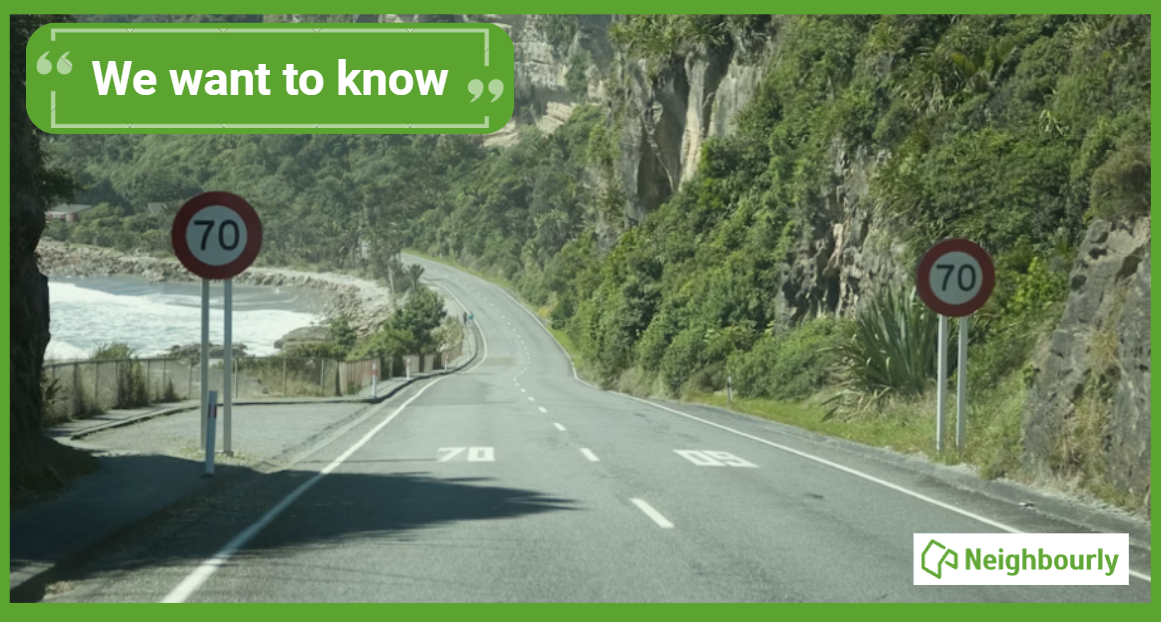
Poll: If we want to reduce speeding, what do you think actually changes driver behaviour? 🛻🚨🚓
In the Post's article on speeding penalties, the question is asked whether speeding fines are truly about road safety, or are they just a way to boost revenue for the Crown?
What do you think? Should speeding motorists receive speeding fines or demerit points?
-
37.2% The sting of a fine (Money talks!)
-
62.8% The threat of demerit points (Nobody wants to lose their license!)
Scam Alert: Bank cold calls
ASB is warning customers about reports of cold calls from scammers claiming to be from ASB. These scammers are trying to obtain personal information, including usernames, dates of birth, and verification codes sent to your mobile phone.
🛡️ The "Caller Check" Test
If you get a call from someone claiming to be from ASB and you’re unsure, just ask them for a Caller Check. You will then be able to verify the call through the app.
Remember, banks will:
❌ Never ask for your banking passwords, PINs, or verification codes
❌ Never need to know your full credit card number – especially the CVC
❌ Never ask you to download software or remotely access your device
❌ Never ask you to purchase gift cards or transfer funds.
If you have received a phone call and think your account has been compromised, call ASB on 0800 ASB FRAUD (0800 272 372), or visit your local branch.
 Loading…