




Non-Fiction Books for Sale (posted separately)
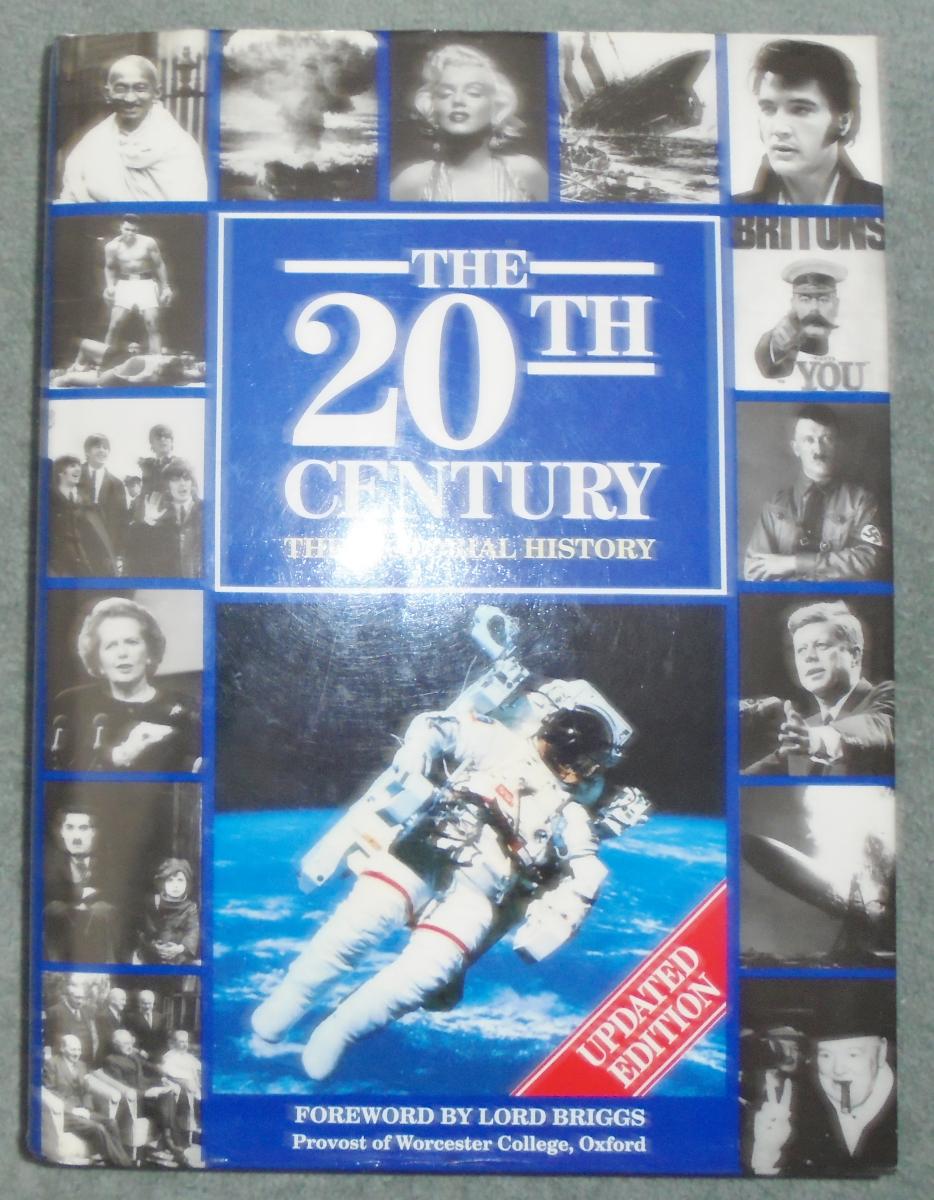
I had put this post on Neighbourly previously, but Neighbourly have asked me to place each book in a separate post, so I will give the details of each book, separately in each post, with the price of each book, all of which are very interesting books, and all in very good condition, and I will attach a copy of the front of each book, the first one being as follows:
THE 20th CENTURY: THE PICTORIAL HISTORY (Published 1989) (560 pages) This monumental volume provides a complete pictorial record of our century year by year. Drawing on the resources of one of the world’s largest picture libraries, it presents a superlative collection of over 1,500 photographs, accompanied by an authoritative and lively text which describes the key events of the last 89 years – from the relief of Mafeking and the death of Queen Victoria to the Chernobyl disaster and the Soviet withdrawal from Afghanistan. The book covers not only the military and political events that have made headlines throughout the world, but also has international milestones in the arts, sciences, exploration, sport, and daily life. Each decade has its own introduction, highlighting the major themes – socialism, nationalism, fascism, civil rights – so that the reader can trace the social and political developments that have taken place. Each year begins with a short chronology of important events worldwide, and goes on to highlight major themes.

Poll: Should the government levy industries that contribute to financial hardship?
As reported in the Post, there’s a $30 million funding gap in financial mentoring. This has led to services closing and mentors stepping in unpaid just to keep helping people in need 🪙💰🪙
One proposed solution? Small levies on industries that profit from financial hardship — like banks, casinos, and similar companies.
So we want to hear what you think:
Should the government ask these industries to contribute?

-
59.7% Yes, supporting people is important!
-
26% No, individuals should take responsibility
-
14.3% ... It is complicated



Addictive Eaters Anonymous
After ten years of depression, my life had hit rock bottom
I remember being ‘different’ around food for most of my life. This included things such as being the person who had two cream buns at morning tea when everyone else had one; eating icing sugar by the spoonful directly from the packet; and being the family member who went into the kitchen after dinner to eat the leftovers. There are numerous other examples – too many to list. I could overeat anything. If I couldn’t get my preferred favourites (e.g. chocolate), I’d be eating the vegetables.

 Loading…