




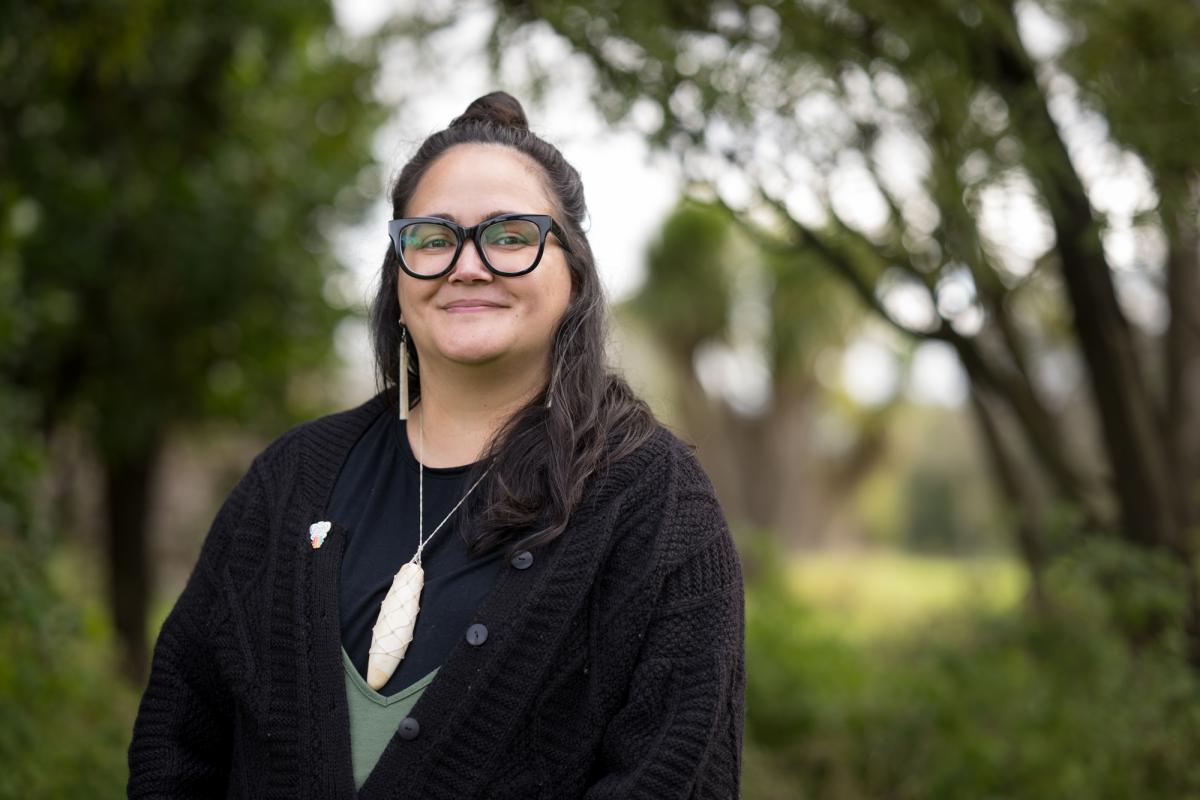
Tarryn
“It’s only since I've been in my 30's that I've had proper conversations about being Māori. I started to question all of that stuff when I moved away.
I left New Zealand just before I turned 19. I went to Australia for a few years, to the UK for a couple of years, then back to Australia. People would ask me, ‘are you a native New Zealander?’ Or ‘Are you a Māori?’. I always thought that was really weird, because being Māori wasn't a positive thing growing up.
I came back to go to university in Wellington. I didn't do well at school so it was quite scary to be suddenly going to university. I decided I wouldn't work for my first year, but that also meant that I was going to be really hard up for cash.
I found out about this accommodation called Whānau House. It's subsidized by the marae at uni, the catch is that you have to help out at the marae. I didn't really know what I was signing up for. There were 14 people living there, a range of ages. All of them were North Island Māori and spoke te reo to some extent. Suddenly being Māori was everywhere in my life, and it shocked me into seeing everything that I'd been missing out on. I spent a lot of time at the marae, and started to learn about te ao Māori.
I moved to Germany and for the first time ever, I got homesick. I couldn't figure out why, I'd never felt homesick for New Zealand before. And then I got pregnant, and I just said, I've gotta go home. I can't do this over here. I don't want my son growing up without his culture the way that I did. I didn't live in Christchurch for a really long time when I finally did come back, I had a baby. I was a pretty different person.
I started learning te reo when Thomas was four months old. and then the pandemic hit. We were in lockdown and I was doing all my classes online.
There were words that Dad used that I didn't realize were Māori until I started learning, which I think is quite funny. The first one I realized was a Māori word was pōtae - hat. And I was like, I know that word. Dad used that word my whole life!
We finished our first year, and we made lots of friends and kept in touch over the summer, so we didn’t lose what we've learnt over the year. We started trying to meet up at a cafe or for games nights so that we could practice using our te reo outside of the class.
That’s how Kōrero ki Ōtautahi became what it is. Initially it was just a group of friends. It's about supporting speakers and learners so that they can take what they've learned and put it into practice. We need more support for the intermediate people to push them into being fluent, and being confident, to be able to use it in everyday situations.
The ideal for me would be to see Christchurch as a bilingual city; you can just walk into any space and choose either English or te reo Māori. There's plenty of places around the world that are bilingual, and people switch between the two just casually.
In order for te reo to not just survive, but to thrive, we need everybody on board, whether you be Māori, Pākehā, tauiwi.”
Celebrating Te Wiki o te reo Māori - 15–19 September 2025

Offers, Events & Inspiration
Ready to explore the world with ease?
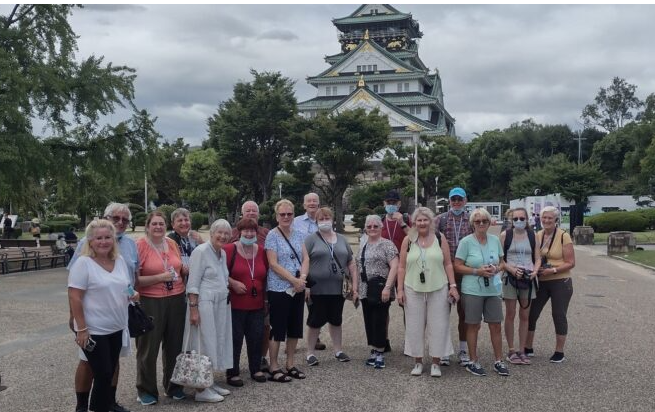
Wendy Wu Tours specialises in fully guided holidays across Asia and beyond, taking care of flights, accommodation, touring and expert local guides so you can simply relax and enjoy the journey. From Japan’s cherry blossoms and China’s Great Wall to the vibrant cultures of Vietnam and India, every itinerary is designed to immerse you in authentic experiences.
Departing from New Zealand, you’ll travel with like-minded adventurers and enjoy seamless, stress-free travel. If you’ve been dreaming about your next big trip, now’s the perfect time to make it happen.

🧩😏 Riddle me this, Neighbours…
I am an odd number. Take away a letter and I become even. What number am I?
Do you think you know the answer?
Want to stop seeing these in your newsfeed? No worries! Simply head here and click once on the Following button.

Scam Alert: Bank cold calls
ASB is warning customers about reports of cold calls from scammers claiming to be from ASB. These scammers are trying to obtain personal information, including usernames, dates of birth, and verification codes sent to your mobile phone.
🛡️ The "Caller Check" Test
If you get a call from someone claiming to be from ASB and you’re unsure, just ask them for a Caller Check. You will then be able to verify the call through the app.
Remember, banks will:
❌ Never ask for your banking passwords, PINs, or verification codes
❌ Never need to know your full credit card number – especially the CVC
❌ Never ask you to download software or remotely access your device
❌ Never ask you to purchase gift cards or transfer funds.
If you have received a phone call and think your account has been compromised, call ASB on 0800 ASB FRAUD (0800 272 372), or visit your local branch.
 Loading…