





From field to felt: uncovering the story of the Anzac Poppy
Every year without fail, the red blooms appear on politicians' jackets and in street appeals - but have you ever wondered where they came from?
For many younger New Zealanders, the poppy could seem to be a symbol of Anzac pride. However, it had little to do with the Anzacs at first, but was rather originally conceived for an American audience.
The symbol of the poppy itself comes from Lieutenant Colonel John McCrae's famous WW1 poem 'In Flanders fields', which begins with the opening lines: "In Flanders fields the poppies blow, between the crosses row on row".
It was these moving verses which inspired American war secretary Moina Michael to use red silk poppies as a symbol of remembrance.
After campaigning for two years to get the symbol recognised nationally, the poppy was adopted by the National American Legion as their official symbol at a conference in 1920.
Attending this conference was Frenchwoman Anna A Guérin, who saw the potential to sell poppies and put the proceeds towards caring for veterans, their families and poor children. She also had the foresight to take it beyond America to Canada, the UK, Australia and New Zealand.
After her representative Colonel Alfred Moffatt suggested the idea to the RSA in September 1921, a motion was passed and the RSA placed the first order for poppies.
Like the other countries, the RSA was planning to hold its first annual Poppy Appeal around Armistice Day (November 11): however, thanks to the French ship carrying the poppies arriving late, the decision was made to delay sales until Anzac Day, 1922.
The first Poppy Appeal was a huge success, birthing the tradition where poppies go on sale in the weeks before Anzac Day and thus tying them to the day forever.
While the poppies were originally sourced from France, the RSA began producing its own in 1931, which were made by former servicemen in Auckland and Christchurch. Production was to go offshore again in 2010: however, this proved controversial and the contract eventually returned to Christchurch for the period from 2014 to 2019.
As poppies reappear this year, take a moment to remember their long journey and how they help the very organisation caring for our soldiers.
Yet more importantly, like the generations before us moved by McCrae's poem, remember those Flanders fields and what the symbol truly stands for - to never forget.
Story by Jordan Gowan
Thanks to this local business:
Staples Rodway Limited

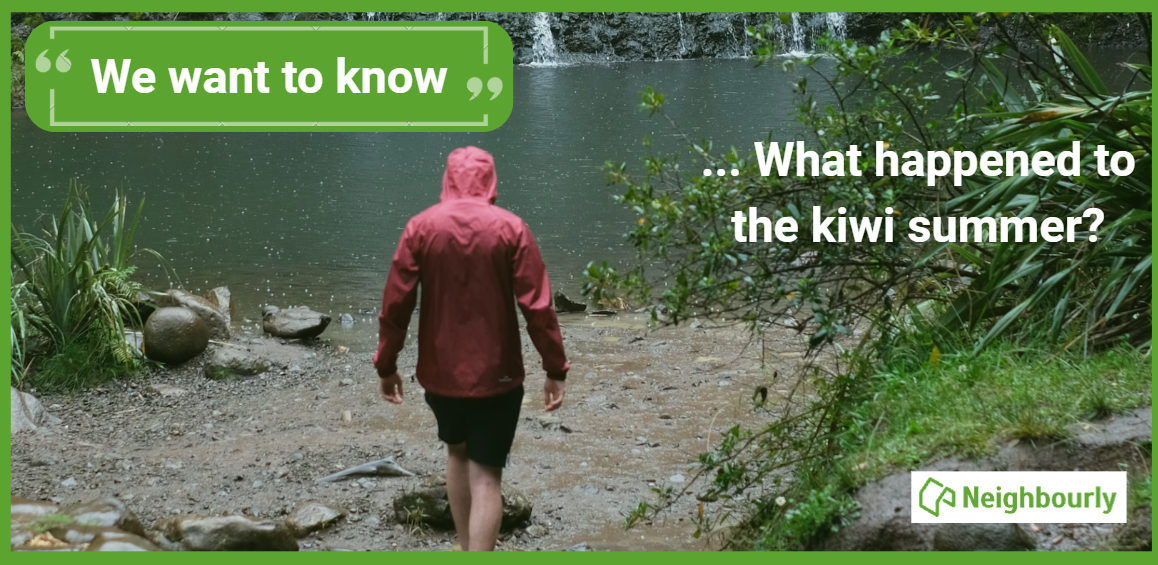
☔️ Where’d the summer go?
It’s the talk of the town (and every coffee queue): the Canterbury "summer" has felt a bit wet this year! We’ve definitely had our fair share of grey skies and raincoats lately 🌧️ In fact, the Post reports that Christchurch experienced almost double our usual!
While the forecast is looking bright for this weekend (fingers crossed!), we aren't out of the woods ... there are a few more cold fronts lining up before winter hits.
We want to hear from you: What are your go-to rainy-day activities? Whether you’re a local legend at the indoor courts or a professional movie-marathoner, share your secrets with us!
Drop your favourite rainy-day tips or photos in the comments below! 👇

Ryman Village Open Days
Friday 20 & Saturday 21 March, 10am - 2pm.
Come and experience the warmth of our Ryman village communities, we'd love to show you around.
Discover our lifestyle and care options, tour our show homes and explore our premium amenities.

🪱🐦 When are you the most productive? 🌙🦉
The Post has been diving into our daily habits, and research suggests being an early bird or a night owl isn’t just a choice—it’s biology! We all have that specific time when our brains finally "click" into gear.
This raises a big question for the modern workplace. To get the best out of everyone, should employers accommodate our natural body clocks? This idea is at the heart of the four-day work week and flexible scheduling movements.
We want to hear from you:
1. When does your brain "click" into gear?
2. Would a flexible (or shortened) schedule change the way you work?
 Loading…