





☀️Preparing for those summer picnics☀️
We all have ideas as to what to pack (or not) for those picnics.
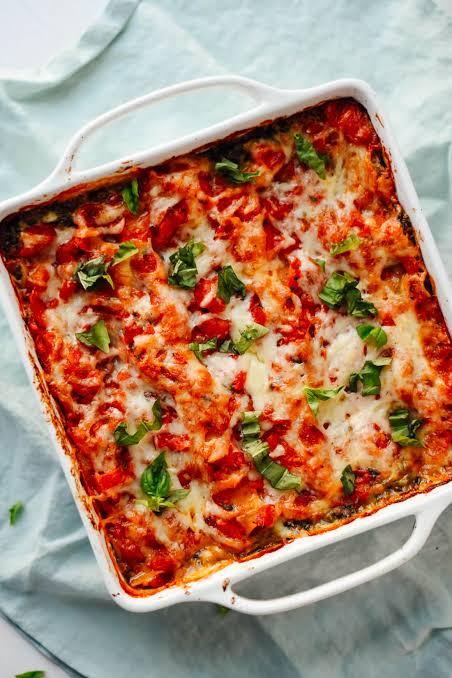
Here is are a few hints as to how to perfect your lasagna (straight from Italy)
Raise your hand if you don’t like lasagna.
Ok, no one?
That’s because lasagna is a real crowd-pleaser and a wonderful Italian comfort food. A nice, generous portion makes everyone feel good all year round.
Preparing lasagna at home is a gesture of true love, involving many long, laborious steps, plus a hefty dose of patience, especially if making the pasta yourself.
Mistakes are allowed as the dish is actually quite complex and perfection is never easy to achieve.
The most common lasagna mistakes:
1. Should you want to make the pasta at home, spread the pasta rather thin and boil it in water with a drizzle of oil to prevent the sheets from sticking to the each other, or boil one sheet at a time and once drained place it in cold water.
2. If you buy fresh egg pasta, the process is the same as for homemade pasta. If you buy packaged dried sheets then you absolutely must cover them well with the filling, without leaving a single corner exposed.
3. There shouldn’t be too much or too little filling. Too much between one layer and another will keep you from ever getting a perfect slice. Too little and all you’ll taste is pasta.
4. Do not put large pieces of vegetables or meat in lasagna for the same reason as above. To get a perfect lasagna, the filling should be finely sliced or even creamy.
5. If using parchment paper, remember to remove it once the lasagna is cooked. Otherwise, it will get wet and ruin the base. It’s better to grease an oven dish or to streak it with béchamel sauce.
6. Don’t overdo it with the béchamel, a necessary ingredient in many recipes, particularly for the consistency it lends to the taste, but one which can ruin the dish if there’s too much of it.
7. Lasagna should be cooked for at least 45 minutes in a hot oven at 350°F, though it really depends on the number of layers. To prevent an overcooked surface and an undercooked center, cover with aluminum foil halfway through the cooking process.
8. Particularly when using store-bought dry pasta, be careful when cooking the corners. Cover them well with the filling and add a drizzle of water or milk to soften them once in the oven.
9. Though it may seem obvious, any meat or vegetables in the filling must be cooked first. Vegetables can even be simply blanched, but putting them raw into the filling is highly risky.
and last but by no means least ....
10. Don’t eat it now. Like a good eggplant parmigiana, baked pasta should always be left to rest. Forget about eating it fresh out of the oven ... it’s actually better the next day!

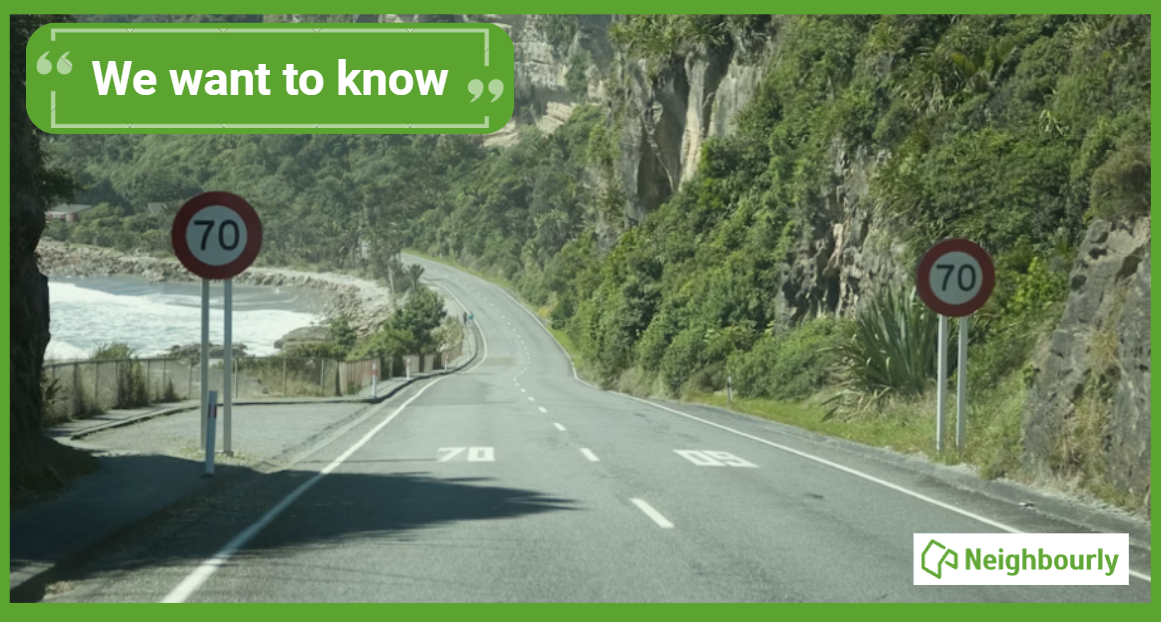
Poll: If we want to reduce speeding, what do you think actually changes driver behaviour? 🛻🚨🚓
In the Post's article on speeding penalties, the question is asked whether speeding fines are truly about road safety, or are they just a way to boost revenue for the Crown?
What do you think? Should speeding motorists receive speeding fines or demerit points?
-
36.3% The sting of a fine (Money talks!)
-
63.7% The threat of demerit points (Nobody wants to lose their license!)
Scam Alert: Bank cold calls
ASB is warning customers about reports of cold calls from scammers claiming to be from ASB. These scammers are trying to obtain personal information, including usernames, dates of birth, and verification codes sent to your mobile phone.
🛡️ The "Caller Check" Test
If you get a call from someone claiming to be from ASB and you’re unsure, just ask them for a Caller Check. You will then be able to verify the call through the app.
Remember, banks will:
❌ Never ask for your banking passwords, PINs, or verification codes
❌ Never need to know your full credit card number – especially the CVC
❌ Never ask you to download software or remotely access your device
❌ Never ask you to purchase gift cards or transfer funds.
If you have received a phone call and think your account has been compromised, call ASB on 0800 ASB FRAUD (0800 272 372), or visit your local branch.

Some Choice News!
DOC is rolling out a new tool to help figure out what to tackle first when it comes to protecting our threatened species and the things putting them at risk.
Why does this matter? As Nikki Macdonald from The Post points out, we’re a country with around 4,400 threatened species. With limited time and funding, conservation has always meant making tough calls about what gets attention first.
For the first time, DOC has put real numbers around what it would take to do everything needed to properly safeguard our unique natural environment. The new BioInvest tool shows the scale of the challenge: 310,177 actions across 28,007 sites.
Now that we can see the full picture, it brings the big question into focus: how much do we, as Kiwis, truly value protecting nature — and what are we prepared to invest to make it happen?
We hope this brings a smile!

 Loading…