





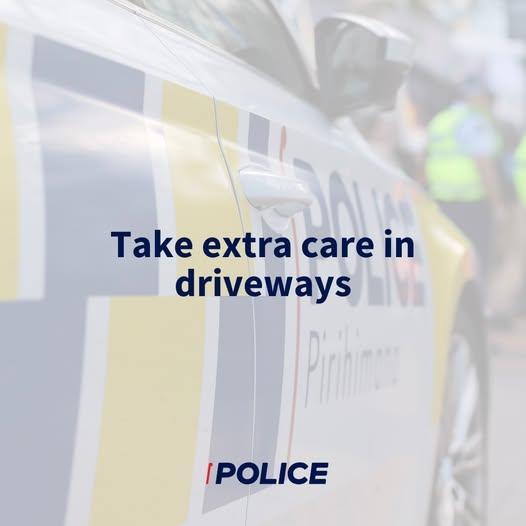
Caution around driveways
Police are asking people to pay extra attention to driveway safety, after a number of incidents recently involving children being harmed.
Driveways can be extremely dangerous, and people need to do everything they can to ensure they keep themselves and others safe, especially where children are present.
Children move around quickly, and often won’t be seen as you are reversing down your driveway.
Always check your driveway before driving in or out, and make sure you know the whereabouts of any children.
Please use your reversing camera if your vehicle has one installed.
Alternatively, ensure all children not in the vehicle with you are accounted for.
If another adult is at the property, make them responsible for ensuring children are well clear of any moving vehicles.
If there are no other adults present, have a ‘safe spot’ for children to stand and wait for the vehicle to stop moving.
This should be somewhere in view of the driver.
Check your blind spots often, and if you can no longer see a child, stop your vehicle and move them somewhere safe before you continue driving.
If your driveway is close to the children’s play area, consider a fence or gates to separate the play area from the driveway.
You should also take the time to speak to your children about the dangers of moving vehicles and remind them that just because they can see the driver, doesn’t mean the driver can always see them.
Taking those extra few seconds to make sure our tamariki are in a safe space when you drive in and out of your driveway can help prevent so much heartache and trauma.
Remember they don’t understand the potential consequences.

Poll: Does a savoury scone require cheese on top, or folded inside?
Help settle the great kiwi debate ... cheese on top, or folded inside?

-
76.6% Inside!
-
23.4% On top!
Poll: Are you still heading to your local for your caffeine fix, or has the $$ changed your habits? ☕
Auckland has a thriving cafe culture, but with costs climbing, that culture is under pressure. We’ve seen the headlines about recent closures across the country, and it’s a tough pill to swallow along with a $6+ coffee.
We all want our favourite spots to stay open, but we also have to balance our own budgets ⚖️
We want to know: How are you handling the "coffee math" in 2026? Are you still heading to your local for a chat and a caffeine fix, or has the cost of living changed your habits?
Keen to read more about "coffee math"? The Post has you covered.

-
41.8% I avoid spending money on coffee
-
41.8% I still indulge at my local cafe
-
16.5% Irrelevant - coffee is not for me

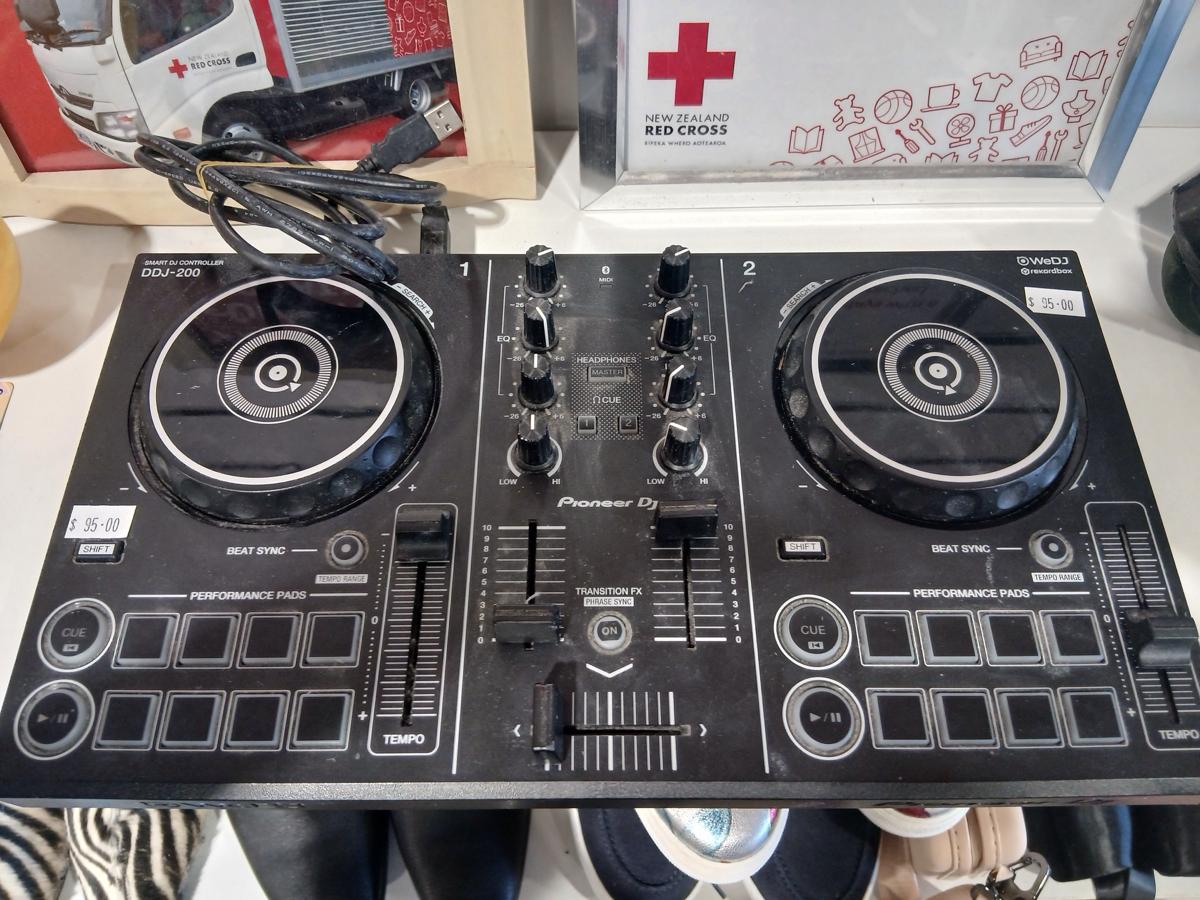
Donations Wanted!
The Red Cross Shop Wairau Park has amazing donations this week, come in and find something unexpected!
📍18 Link Drive, Wairau Park
🕐 Mon-Sun: 9.00am to 5.00pm
📞 094409770


 Loading…