




The high cost of being 'polite' with your money
Don't ask for a discount? Don't get one. But what happens when you do ask? You might be surprised.
There’s a little voice that lives in most of our heads, and it could be costing us thousands. It whispers things like “don’t make a fuss”, or “don’t be difficult”. Maybe it’s saying “don’t rock the boat”.
It’s a very polite little voice. It’s also very expensive. Because when it comes to your money, you could miss out on tens of thousands of dollars, just by trying not to make a fuss. This applies to your mortgage, your regular bills, that friend who always borrows money but forgets to pay you back, any area of life.
You can still be polite, but you can do it in a way that stops you from missing out on that cash, that surely you’d prefer to spend elsewhere.
What’s up for negotiation?
=====================
When it comes to dealing with businesses, just floating the possibility of a better deal, or a discount, is often enough to get you something.
Your power bill, bank fees, mortgage rate, or really any expense you encounter regularly, all have some room for negotiation. And because they’re regular bills that you’re paying all the time, even a small saving can stack up to be big money.
Power bill? Shop around, see who has the best rate. Powerswitch.org.nz makes it easy to compare plans for your particular useage habits.
Be prepared to shop around.
Mortgage? Ask if you can get a cashback, or an interest rate better than what’s on the website, the next time you refix.
I promise, I put my money where my mouth is on this. I was looking into a service I was considering for my small business. If I used it, it would be for several hours at a time. So all I asked was one simple line – “do you do a bulk discount?” The answer? Not usually, but we could do that in this case.
One line, several hundreds of dollars in savings. Don’t ask, don’t get.
Why we don’t ask
==============
This probably isn’t news to you, though. In most cases, this isn’t actually a knowledge problem. Many of us know there’s room to negotiate, having read it online, seen the Instagram reel, or had a friend mention it to us.
But when it comes to actually doing it, that polite voice pipes up in the back of our mind. “What if I seem greedy?” “What if I ask, and they say no?” “What if I ruin the relationship, and can never come back here?”
We’re trained from a young age to avoid being seen as pushy, or rude, or worst of all “one of those customers.”
So instead, we nod. Smile. Accept the first rate we’re offered. And then quietly overpay for years.
Nobody wants to be "that" customer.
The myth of the ‘difficult’ customer
============================
So let’s go ahead and bust that myth right now. You don’t have to be a corporate shark to get a better deal. You don’t need to threaten to walk, or slam your fists on the table.
Most of the time, all it takes is one sentence. Here are some for you to try: “Is that the best rate you can offer me?”
Or “are there any special deals or discounts available right now?”
Even better, do some research, then trot out “I’ve seen a lower rate elsewhere, can you match or beat it?”
There’s no tantrum or nastiness required. Just quiet, calm confidence. You’re not being difficult, you’re being informed.
The system expects you to ask
==========================
If you need help to keep that backbone strong, just remember this: many businesses expect you to negotiate. The advertised rate is just the starting point.
Large companies will usually set aside budget for discounts or special deals. But they’re not going to tell you that – come on, that would be silly. If they can get you to pay more, why wouldn’t they?
It’s a bit like going to a market overseas, where haggling is part of the culture. If you pay full price without blinking, the vendor doesn’t think, what a lovely, polite customer. They think, well that was easy money.
Same with banks, power companies, even tradies. If you don’t ask, they won’t offer.
===================================================================
It’s not personal. It’s just business.
The quiet inequality it creates
========================
It’s important we remind each to negotiate, though. Because all the little discounts you’re missing out on can create a ripple effect.
The people who are confident enough to negotiate, or who grew up in families where money talk was normal, end up getting the better deal. They pay less interest, clear their mortgage faster, have lower monthly costs, and get further ahead financially.
Meanwhile, those who don’t know the system, or feel awkward speaking up, end up paying more for the exact same thing.
And that’s where “politeness” turns into a trap. A mindset worth rewiring. If that feels uncomfortable, well good. It means you care about how you treat others. That’s a strength.
But it’s worth separating kindness from compliance. You can be both respectful and assertive. You can ask for better, while staying calm and courteous.
You’re not being a diva, you’re being a grown-up who knows their repeat business is worth something, and you’re just looking to protect your own interests.
Start with one question
===================
Next time you’re about to pay a bill, or sign up to a service, try this: just ask one extra question.That’s it. One little sentence that opens the door.
If the answer is yes, wait until you’re off the phone, then give yourself a high five. You have my full permission to get yourself a little treat with that first round of savings. You’ve earned it.
If the answer is no, you’ve still flexed the muscle. You’ve practiced checking for a better deal, and guess what? You didn’t die.
The more you do this, the more it will become second nature. And you’ll be amazed at the places you can build up some savings.
===================================================

Poll: Should we ditch daylight saving? 🕰️
First introduced in New Zealand in 1927 with the passing of the Summer Time Act, it's what we know as 'Daylight Saving' and this year it ends on the first Sunday in April.
While we do get to sleep in this time around, some people would like to scrap the clock tinkering for good.
And why? Some evidence suggests the time changes are bad for our health as they mess with sleep patterns leading to short-term fatigue and affecting mood. Meanwhile the hour change is frustrating for farmers and a nightmare for getting the littlies to sleep. But what's your take?

-
39.7% Yes - get rid of the clock changes
-
58.5% No, I enjoy it
-
1.8% Other - I'll share below

Alan and Hazel Kerr share Senior New Zealander of the Year Award 2026
Dr Alan and Hazel Kerr describe themselves as ‘just ordinary old Kiwis’, despite being named as the 2026 Ryman Healthcare Senior New Zealanders of the Year Te Mātāpuputu o te Tau.
The amazing couple prompted a standing ovation at a star-studded Auckland event which recognised their tireless efforts, with Alan travelling to and from Gaza and the West Bank 40 times to help children over 20 years, and Hazel travelling 20 times.
Click read more to find out more.

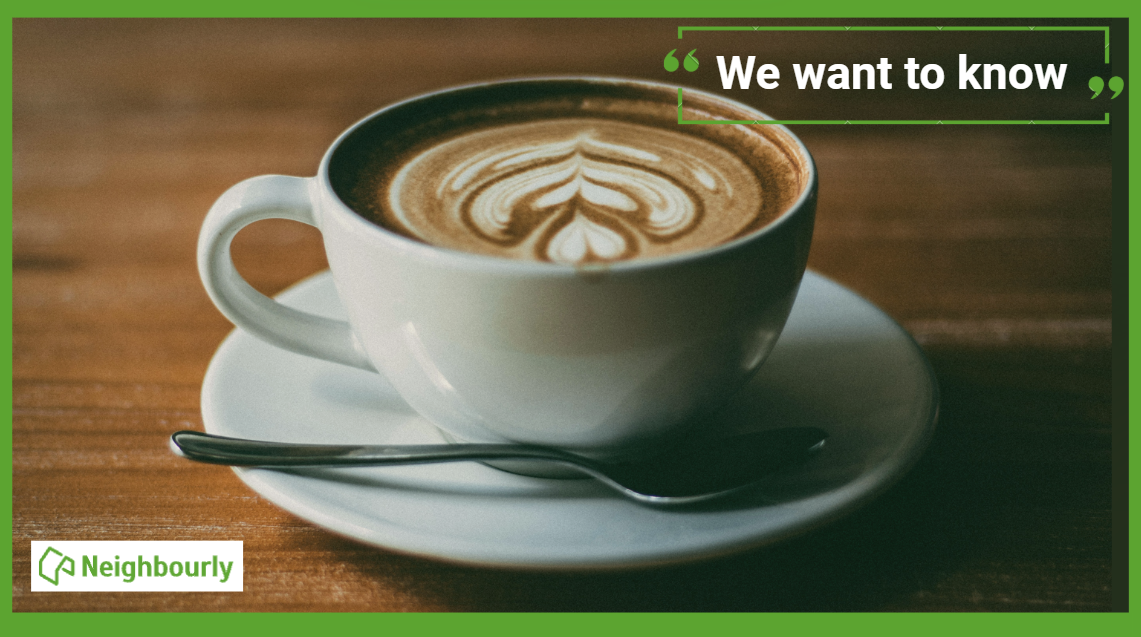
Poll: Are you still heading to your local for your caffeine fix, or has the $$ changed your habits? ☕
Auckland has a thriving cafe culture, but with costs climbing, that culture is under pressure. We’ve seen the headlines about recent closures across the country, and it’s a tough pill to swallow along with a $6+ coffee.
We all want our favourite spots to stay open, but we also have to balance our own budgets ⚖️
We want to know: How are you handling the "coffee math" in 2026? Are you still heading to your local for a chat and a caffeine fix, or has the cost of living changed your habits?
Keen to read more about "coffee math"? The Post has you covered.
-
42.8% I avoid spending money on coffee
-
41.1% I still indulge at my local cafe
-
16.1% Irrelevant - coffee is not for me
 Loading…