





SENIORS----Driver licence renewals
Renew at age 75, 80 and every 2 years after that
=======================================
Your licence will expire on your 75th birthday, on your 80th birthday, and every second birthday after that.
You must renew your driver licence on or before its expiry date if you want to keep driving.
How to renew your licence
======================
You can renew your driver licence up to 6 months before it expires.
We’ll send you a reminder and an application form about 8 weeks before your licence is due to expire, but you can renew earlier if you wish.
You'll need to make an appointment with your doctor to get a medical certificate. You may also need to see a specialist or take a test, so allow plenty of time.
Once you've got your medical certificate, you'll need to visit a driver licensing agent in person.
Find your nearest driver licensing agent
What you need to take
==================
A medical certificate issued within the last 60 days – see below for more information.
Your current photo driver licence or other acceptable evidence of your identity.
See the Identification page for more information
EFTPOS, credit card or cash to pay the renewal fee of $21.50.
You'll need to complete an application form (DL1). You can download the form and take it with you, or fill one in when you get to the agent.
Download the application form to renew your driver licence (DL1) [PDF, 202 KB]
When your renewal is complete, the agent will give you a temporary licence which is valid for 21 days. Keep this on you whenever you’re driving until your new driver licence arrives in the mail – within 2 to 3 weeks.
Getting a medical check
====================
You need to get a medical check to renew your licence, so make an appointment with your doctor.
The doctor will give you the medical certificate you'll need to renew your driver licence. The certificate is valid for 60 days, so make sure you take it to a driver licensing agent before the 60 days runs out.
Your doctor will give you one of the following results:
Medically fit to drive
You're able to drive safely in all conditions.
Your doctor will give you a medical certificate to take with you to renew your licence.
Medically fit to drive with conditions
You're able to drive safely, but only if you do, or don't do, specific things. For example, you might need to wear glasses or not drive at night.
Your doctor will give you a medical certificate with the conditions on it. Take this with you to renew your licence.
Medically fit to drive if a specialist agrees
You need to see a specialist for more testing. Your doctor will tell you what kind of specialist. It could be an optometrist to test your eyes, or an occupational therapist to check you can safely cope with complex driving situations.
If you pass, you're able to drive safely and can renew your licence. The specialist will give you a medical certificate to take with you to renew your licence.
Medically fit to drive if you pass an on-road safety test
Your doctor may ask you to do a driving test in a car with a testing officer.
The doctor will give you a medical certificate with a requirement to sit an on-road safety test. Take the certificate with you to a driver licensing agent, and they'll start your renewal application and book the test.
The test is included in your renewal fee. There's no fee to change, cancel or rebook the test. You can sit the test more than once if you need to with no extra fees.
If you live in an area that doesn't have testing officers, you'll need to request an on-demand test. Check our agent list to see if you need to do this in your area. You'll need to apply to renew your licence and present your medical certificate at the agent first. It can take up to 3 months to get a test booking, so make sure you do this early.
Find your nearest driver licensing agent
Prepare for the on-road safety test
If you pass the test, you're able to drive safely. The testing officer will give you a temporary driver licence to use until your photo driver licence arrives in the mail.
Not fit to drive
============
You're not able to keep yourself and others safe when driving. It's no longer safe or legal for you to drive, and you must stop driving immediately. Your doctor will let NZTA know, and you won't be able to renew your licence.
Not being able to renew your licence can be upsetting. Take some time to process this news. There are many options for people who don't drive.
========================================================

Poll: Should we ditch daylight saving? 🕰️
First introduced in New Zealand in 1927 with the passing of the Summer Time Act, it's what we know as 'Daylight Saving' and this year it ends on the first Sunday in April.
While we do get to sleep in this time around, some people would like to scrap the clock tinkering for good.
And why? Some evidence suggests the time changes are bad for our health as they mess with sleep patterns leading to short-term fatigue and affecting mood. Meanwhile the hour change is frustrating for farmers and a nightmare for getting the littlies to sleep. But what's your take?

-
40.5% Yes - get rid of the clock changes
-
57.6% No, I enjoy it
-
1.9% Other - I'll share below

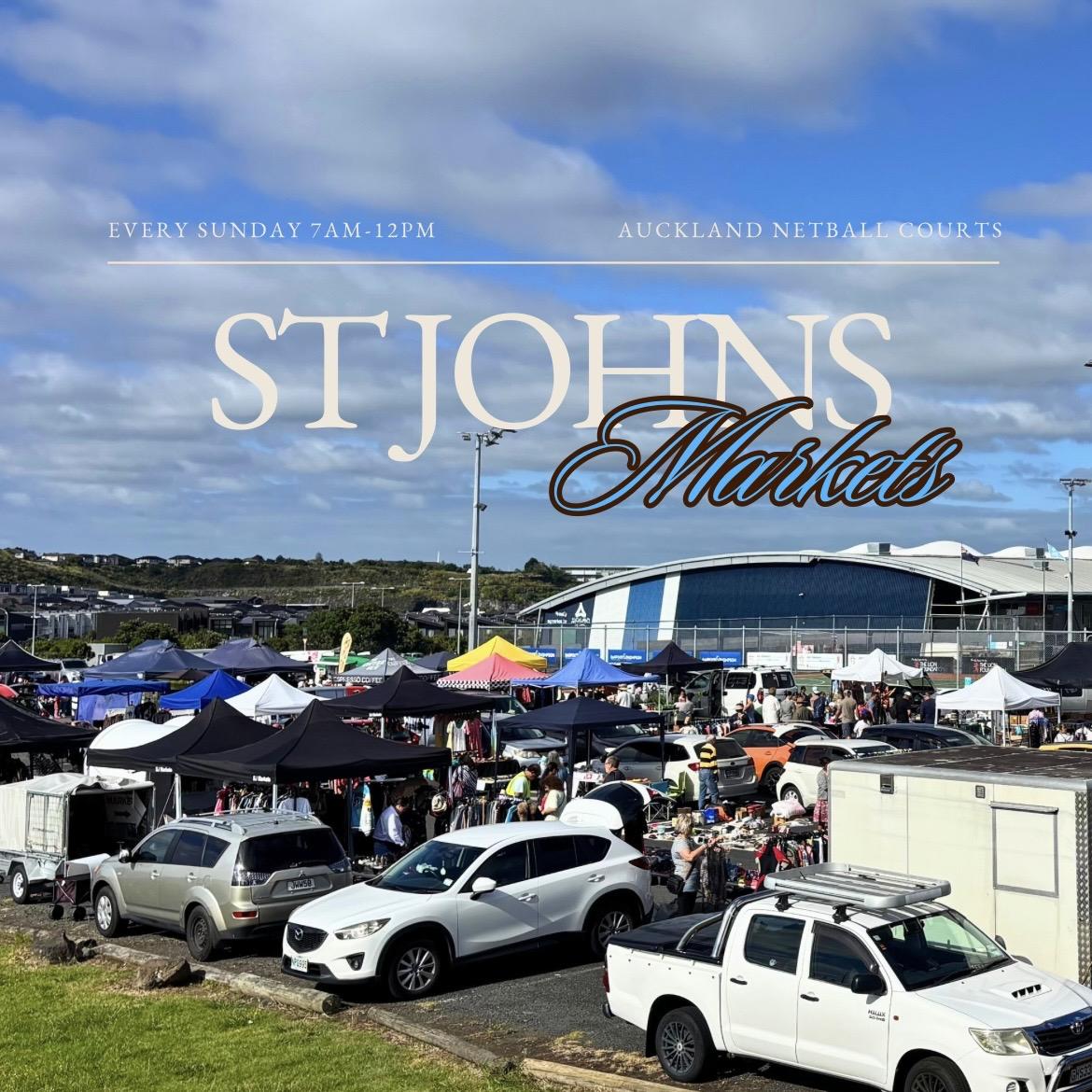
Sunday Market at St Johns – Come Say Hi!
Hi Neighbours !!!!
If you’re looking for an easy, feel-good way to start your Sunday, pop down to the St Johns Market it’s on every week and always worth a visit
Expect plenty to enjoy:
Delicious Food and Drink
Seasonal fruit & veg from local growers
Handmade goodies & crafts
Clothes, toys
It’s a laid-back, welcoming spot to catch up with neighbours, support local, and soak up the community vibe.
Stay connected & get updates:
Facebook
info.sjmarket@gmail.com
0274 671 446
Bring the kids, bring the dog, or just bring yourself and make a morning of it hope to see you there!
7 Allison Ferguson Drive, Auckland Netball Courts
Poll: Are you still heading to your local for your caffeine fix, or has the $$ changed your habits? ☕
Auckland has a thriving cafe culture, but with costs climbing, that culture is under pressure. We’ve seen the headlines about recent closures across the country, and it’s a tough pill to swallow along with a $6+ coffee.
We all want our favourite spots to stay open, but we also have to balance our own budgets ⚖️
We want to know: How are you handling the "coffee math" in 2026? Are you still heading to your local for a chat and a caffeine fix, or has the cost of living changed your habits?
Keen to read more about "coffee math"? The Post has you covered.

-
42.7% I avoid spending money on coffee
-
41.1% I still indulge at my local cafe
-
16.1% Irrelevant - coffee is not for me
 Loading…