





Auckland City Hospital's newly expanded and upgraded adult emergency department opened its doors to patients earlier this morning, with a new triage area, added waiting areas, and additional consult rooms.
The upgrade construction cost about $9 million, taking about a year to complete, and now had a total ground floor area of 600 square metres - which was double that of the old ED, according to Health NZ's northern area head of infrastructure Chris Cardwell.
Health Minister Simeon Brown opened the new ED in a ribbon-cutting ceremony alongside representatives from Health NZ, Ngati Whatua, doctors and nurses.
"Prior to expansion, Auckland City Hospital's ED was cramped and outdated, with no additional space to create new rooms.
"Lack of clinical space, and a waiting area that was too small to accommodate the high volumes of patients, was contributing to an environment that was not optimal for those needing emergency care," Brown said.
Brown said a fit-for-purpose ED was essential for any hospital, particularly a high-demand ED like Auckland City Hospital's - which saw about 80,000 patients a year.
"The upgraded ED will feature a new reception, waiting area, clinical triage, consult rooms, and staff base, as well as improved designated drop off and parking areas and a new ambulance entry, this includes improved access to the adjacent Starship Children's ED," he said.
The service clinical director for adult ED, Mark Fredrickson, said the new space would make a big difference for staff and patients, from both a safety and healthcare perspective.
"If you saw our previous waiting room that we'd had, it was a very compact, overcrowded area which creates overcapacity.
"A lot of poor interactions between patients and our staff, and just not a very pleasant and safe environment for staff to be in," he said.
Fredrickson said he was hoping the new space would reduce the amount of patients being stuck in ED.
He said while the upgraded space may not fix all the issues, he expected it would improve things in a challenging healthcare system.
When asked whether the hospital will get additional staffing for the ED, Fredrickson said that was yet to be determined.
"We're working with Health NZ to get more staff over time, kind of, we need to embed our processes in, to see how much efficiency gain do we get from it, and if we need more staff, we're going to ask for more staff," he said.
According to Health NZ's second quarter performance report for 2024/2025, which included October to December last year, 72.1% of patients at EDs across the country were being seen within six hours.
The report showed that for the Auckland central area, covering Auckland City Hospital, Starship Children's Hospital and Greenlane Clinical Centre, 68.4% patients at ED were seen within that timeframe.
The Government's target was for 95% of patients to be admitted, discharged or transferred from an ED within six hours by 2030.
===================================================

Poll: Should we ditch daylight saving? 🕰️
First introduced in New Zealand in 1927 with the passing of the Summer Time Act, it's what we know as 'Daylight Saving' and this year it ends on the first Sunday in April.
While we do get to sleep in this time around, some people would like to scrap the clock tinkering for good.
And why? Some evidence suggests the time changes are bad for our health as they mess with sleep patterns leading to short-term fatigue and affecting mood. Meanwhile the hour change is frustrating for farmers and a nightmare for getting the littlies to sleep. But what's your take?

-
40.3% Yes - get rid of the clock changes
-
57.8% No, I enjoy it
-
1.9% Other - I'll share below

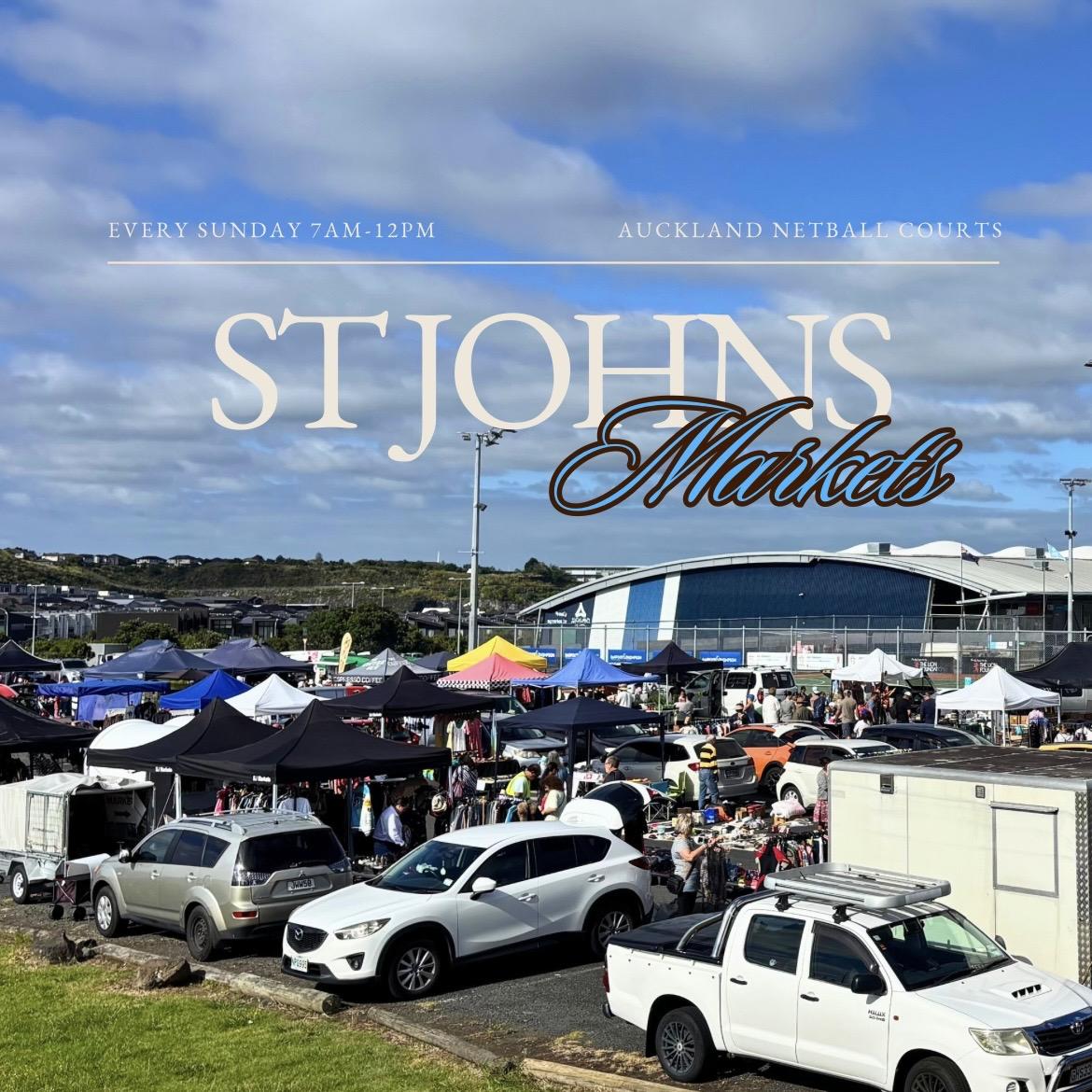
Sunday Market at St Johns – Come Say Hi!
Hi Neighbours !!!!
If you’re looking for an easy, feel-good way to start your Sunday, pop down to the St Johns Market it’s on every week and always worth a visit
Expect plenty to enjoy:
Delicious Food and Drink
Seasonal fruit & veg from local growers
Handmade goodies & crafts
Clothes, toys
It’s a laid-back, welcoming spot to catch up with neighbours, support local, and soak up the community vibe.
Stay connected & get updates:
Facebook
info.sjmarket@gmail.com
0274 671 446
Bring the kids, bring the dog, or just bring yourself and make a morning of it hope to see you there!
7 Allison Ferguson Drive, Auckland Netball Courts
Poll: Are you still heading to your local for your caffeine fix, or has the $$ changed your habits? ☕
Auckland has a thriving cafe culture, but with costs climbing, that culture is under pressure. We’ve seen the headlines about recent closures across the country, and it’s a tough pill to swallow along with a $6+ coffee.
We all want our favourite spots to stay open, but we also have to balance our own budgets ⚖️
We want to know: How are you handling the "coffee math" in 2026? Are you still heading to your local for a chat and a caffeine fix, or has the cost of living changed your habits?
Keen to read more about "coffee math"? The Post has you covered.

-
42.7% I avoid spending money on coffee
-
41.4% I still indulge at my local cafe
-
15.9% Irrelevant - coffee is not for me
 Loading…