








Pandemic adds thousands to cost of girl's surgery in US
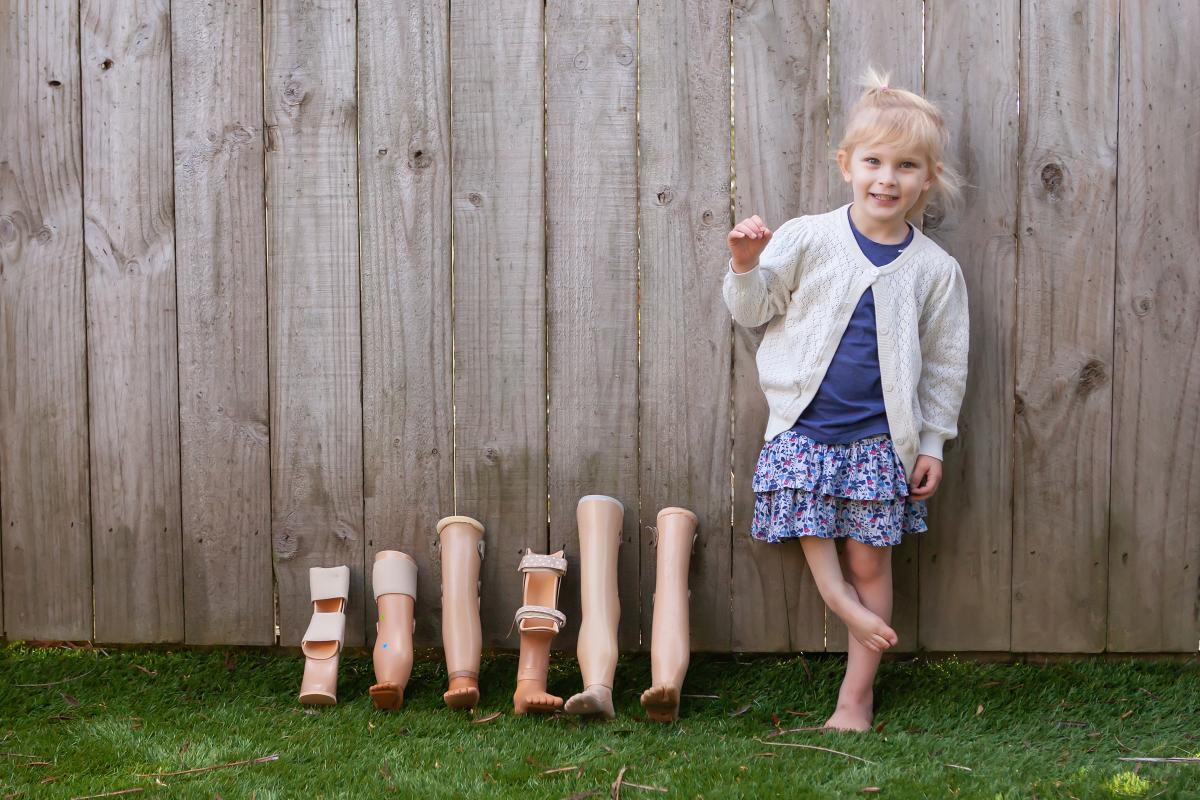
Hi neighbours. A North Shore family preparing to take their daughter for surgery in the United States are facing a raft of expensive, coronavirus-related hurdles.
Four-year-old Lydia Golding, from Hauraki, was born with proximal femoral focal deficiency (PFFD), a condition which left her with an unformed hip and shortened femur. By maturity, the difference in height is expected to reach about 24cm.
Determined to make their daughter’s dream of walking on two feet come true, parents Hamish and Lauren Golding have remortgaged their home to help pay for bone-lengthening surgery in Florida, which will cost them $340,000 NZD.
However, the coronavirus pandemic has made an already daunting trip even more scary and expensive.
Click below to read more.

Got more greens than you know what to do with? 🥦🌱🥕
Whether it’s a courgette takeover or a feijoa frenzy, don’t let those garden gems go to waste!
Our suggestion to you: Did you know you can grate and freeze excess courgettes to use in chocolate cake later? It sounds a bit dodgy, but it makes the cake incredibly moist ... and hey, it counts as a serving of veg, right? 🍫
What’s your go-to move for a bumper harvest? Drop your best "glut" recipes or preservation hacks in the comments below! 👇


🌉🛶 Early Birds Might Crack This One First… or Not? 🥚🧠
A person is crossing a bridge and sees a boat full of people, yet there isn't a single person on board.
How is this possible?
(Susan from Massey kindly provided this head-scratcher ... thanks, Susan!)
Do you think you know the answer? Simply 'Like' this post if you know the answer and the big reveal will be posted in the comments at 2pm on the day!
Want to stop seeing these in your newsfeed?
Head here and hover on the Following button on the top right of the page (and it will show Unfollow) and then click it. If it is giving you the option to Follow, then you've successfully unfollowed the Riddles page.

🪱🐦 When are you the most productive? 🌙🦉
The Post has been diving into our daily habits, and research suggests being an early bird or a night owl isn’t just a choice—it’s biology! We all have that specific time when our brains finally "click" into gear.
This raises a big question for the modern workplace. To get the best out of everyone, should employers accommodate our natural body clocks? This idea is at the heart of the four-day work week and flexible scheduling movements.
We want to hear from you:
1. When does your brain "click" into gear?
2. Would a flexible (or shortened) schedule change the way you work?

 Loading…