






Kia kaha New Zealand.
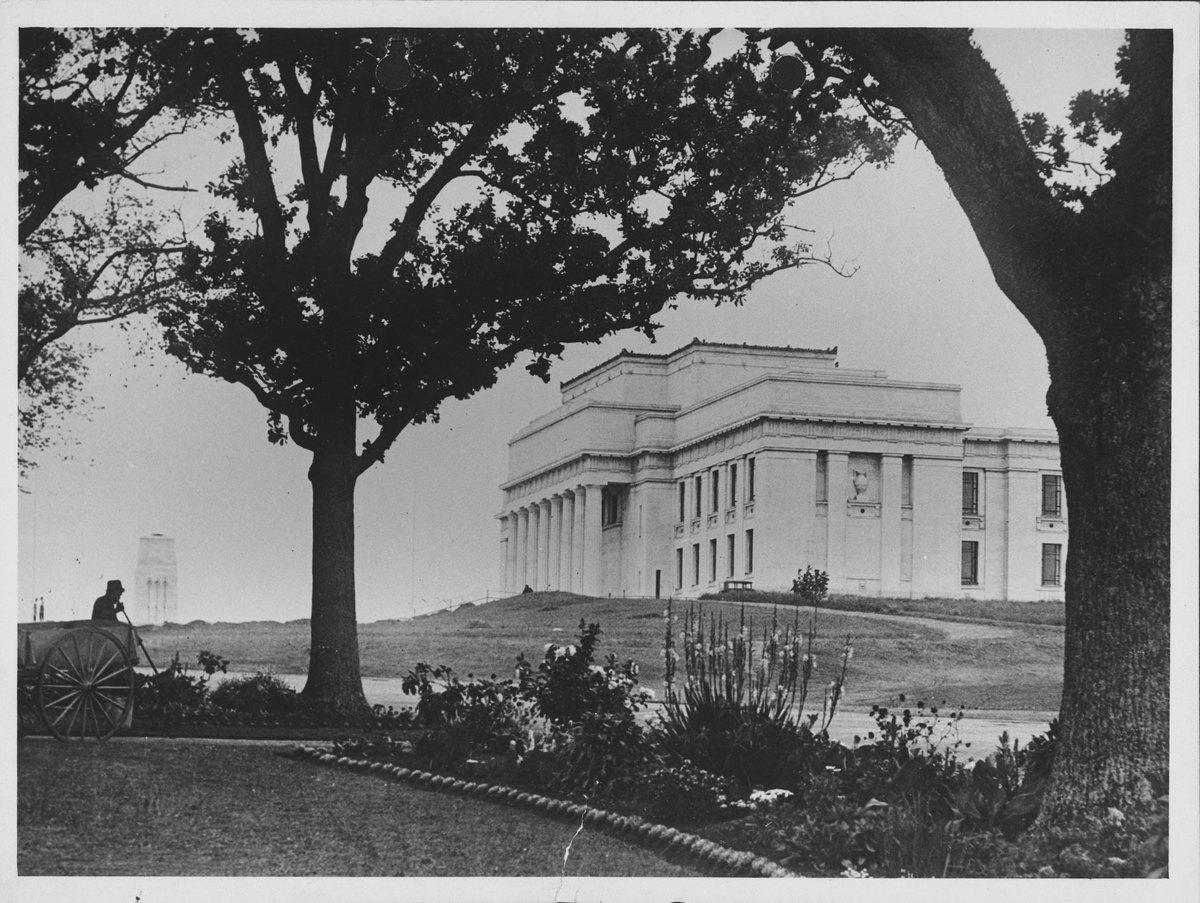
It takes an extraordinary situation for Auckland Museum to close its doors to the public. However it has happened before.
In 1918, the Spanish Influenza had arrived on New Zealand's shores. In the Auckland Institute and Museum's 1918-1919 Annual Report, there is a very short reference to the epidemic's affect on the Museum:
"The recent epidemic of influenza has greatly affected the attendance at the Museum. In the first place, it necessitated the closing of the Institution from November 3 to December 1, or nearly a full month, and after re-opening it was at least another month before the attendance became normal."
We too, will open again, and while it may take a while to get back to normal, we can get there together.
Let's unite against COVID-19. Kia kaha New Zealand. Stay at home, be calm and be kind. He waka eke noa.

Got more greens than you know what to do with? 🥦🌱🥕
Whether it’s a courgette takeover or a feijoa frenzy, don’t let those garden gems go to waste!
Our suggestion to you: Did you know you can grate and freeze excess courgettes to use in chocolate cake later? It sounds a bit dodgy, but it makes the cake incredibly moist ... and hey, it counts as a serving of veg, right? 🍫
What’s your go-to move for a bumper harvest? Drop your best "glut" recipes or preservation hacks in the comments below! 👇

Poll: Is Auckland’s economy improving?
The latest reporting from The Post suggests a wave of optimism for 2026. With interest rates finally heading south, businesses are feeling more positive. But for many on the ground, the real-world recovery feels a bit like a slow-moving commute on Auckland's motorways.
We want to know: Are you seeing signs of Auckland's economy improving in your industry or neighbourhood? Whether it's busier shops, new projects kicking off, or just a shift in the mood ...
-
17.1% Yes
-
64.5% No
-
18.4% A little
🪱🐦 When are you the most productive? 🌙🦉
The Post has been diving into our daily habits, and research suggests being an early bird or a night owl isn’t just a choice—it’s biology! We all have that specific time when our brains finally "click" into gear.
This raises a big question for the modern workplace. To get the best out of everyone, should employers accommodate our natural body clocks? This idea is at the heart of the four-day work week and flexible scheduling movements.
We want to hear from you:
1. When does your brain "click" into gear?
2. Would a flexible (or shortened) schedule change the way you work?
 Loading…