




Minimum wage to increase from April next year, Govt commits to bigger rise than last year
The Government will increase the minimum wage by 2% from April next year.
Workplace Relations Minister Brooke Van Velden announced the hourly wage would move from the current $23.50 to $23.95 in line with advice from the Ministry of Business, Innovation and Employment.
“Moderate” increases of the minimum wage formed part of NZ First’s coalition agreement with National.
Van Velden says the new rate, which would impact around 122,500 New Zealand workers, strikes a right balance between keeping up with the cost of living – the Reserve Bank expects inflation to fall to around 2% by mid-2026 – and no adding more pressure to the costs of running a business.
The starting out and training minimum wage would be move to $19.16 to remain at 80% of the adult minimum wage.
The minimum wage was last increased on April 1 this year. That 1.5% increased to $23.50, affecting between 80,000 and 145,000 workers, was not at the time in line with inflation which sat around 2.5% in March.
“I know those pressures have made it a tough time to do business, which is why we have taken this balanced approach. With responsible economic management, recovery and relief is coming,” Van Velden said.
“I am pleased to deliver this moderate increase to the minimum wage that reflects this Government’s commitment to growing the economy, boosting incomes and supporting Kiwis in jobs throughout New Zealand.”
Official documents from the Ministry of Business, Innovation and Employment (MBIE) show the department provided the Minister with seven options for the minimum wage, ranging from maintaining the current rate or increasing by 3% up to $24.20 per hour.
A 2% increase was recommended, the Ministry said, as this was ”considered to best balance the two limbs of the objective - protecting the real income of low-paid workers and minimising job losses."
“CPI inflation forecasts suggest annual inflation will ease to be within the 2–2.5% range in the first half of 2026 and remain relatively stable at around 2% from June 2026 through to 2028.
“These forecasts indicate that a 2% increase would largely maintain the real income of minimum wage workers relative to the level of the minimum wage when it last increased on 1 April 2025.”
Officials said a 2% increase wouldn’t have significant employment restraint effects.
But given recent economic data, including a Gross Domestic Product (GDP) contraction and elevated unemployment, MBIE said it favoured a “cautious approach”.
“A 2% increase to the adult minimum wage is expected to affect approximately 122,500 workers, including those currently earning at or below the minimum wage, or between the current rate and $23.95.”
The key groups that would be impacted include youth, part-time, female, and Māori workers, as well as sectors like tourism, horticulture, agriculture, cleaning, hospitality, and retail.
“While these workers would benefit from a wage increase, they may also be more exposed to employer responses to increased labour costs such as reduced hours or adjustments to non-wage benefits,” the ministry said
“The estimated fiscal cost to government from this increase is relatively modest, at $17.5 million annually, consistent with the small cost estimates across all rate options.”
=====================================================

Poll: 🤖 What skills do you think give a CV the ultimate edge in a robot-filled workplace?
The Reserve Bank has shared some pretty blunt advice: there’s no such thing as a “safe” job anymore 🛟😑
Robots are stepping into repetitive roles in factories, plants and warehouses. AI is taking care of the admin tasks that once filled many mid-level office jobs.
We want to know: As the world evolves, what skills do you think give a CV the ultimate edge in a robot-filled workplace?
Want to read more? The Press has you covered!

-
58% Human-centred experience and communication
-
13.1% Critical thinking
-
26.1% Resilience and adaptability
-
2.8% Other - I will share below!
Poll: Should complete designs be shared with the public, or should the community help shape the designs from the start?
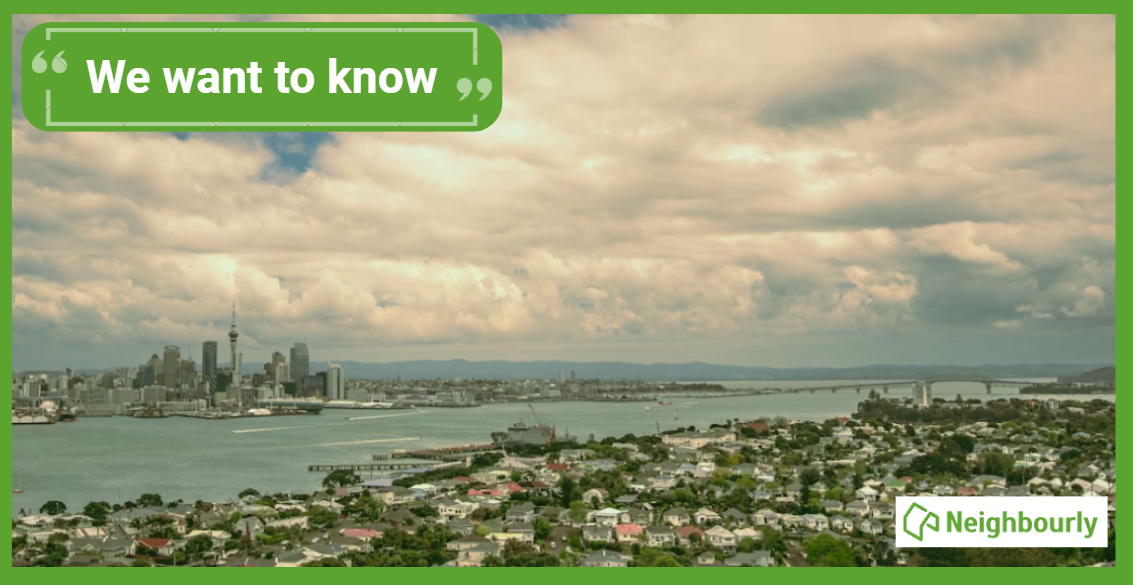
The Post recently shared an opinion piece on the Harbour Crossing and why a more democratic approach might be needed 🚗🚲👟
While most decisions sit within the political arena, many organisations—like NZTA—manage long-term projects that go beyond party lines. Politics can sometimes disrupt progress, and the next Harbour Crossing is a big decision that will affect all Aucklanders.
We’d love your thoughts: Should near-complete, shovel-ready designs be shared with the public, or should the community have a hand in shaping the designs from the start?
-
77.1% Community feedback and transparency is needed.
-
22.9% No. This would be impossible in practice.

Brain Teaser of the Day 🧠✨ Can You Solve It? 🤔💬
Make a hearty dish. Take just half a minute. Add four parts of kestrel. Then just add one. What have you made?
(Trev from Silverdale kindly provided this head-scratcher ... thanks, Trev!)
Do you think you know the answer? Simply 'Like' this post and we'll post the answer in the comments below at 2pm on the day!
Want to stop seeing these in your newsfeed? No worries! Simply head here and click once on the Following button.
 Loading…