








Crying at work happens to almost half of us for a variety of reasons. But whether you're the crier or the crier's colleague or manager, what should you do when the tears start to flow?
Midway through a difficult discussion in her performance review, an employee named Jane finally cracks, and the tears start. Her boss doesn’t know what to do and handles the situation awkwardly.
Ask yourself: how would you react in this situation? And would you have the same reaction if it were not Jane who was crying but a different employee, Mike?
It can feel like the consensus is that crying should not take place at work. But crying at work is not unusual.
A lot of crying at work happens in the restrooms.
According to a recent survey by mental health app company Headspace, 48% of in-person workers and 44% of hybrid workers have cried due to work. Among fully remote workers, the figure was 70%.
So, do we need to rethink our attitude towards it? And what can you do if you or somebody you know cries at work?
It’s OK to cry
==========
There are many different reasons people cry at work. Difficulties meeting workload demands, interpersonal conflict and major workplace change are all examples of stressors that can contribute to poor mental health and crying.
If it looks like a colleague is crying, it can be hard to know what to say.
But people may also be distressed at work for personal reasons completely unrelated to their work. Whatever the reason, crying is a normal healthy response that should not be suppressed.
Why does crying at work feel different? Crying outside of work is not uncommon – it’s normal at weddings, funerals and other life events. But in the workplace, it can feel unexpected, intense and out of character, making the crier and those around them uncomfortable.
The resulting awkwardness may lead to questions about the motives of the crier. Is this person crying because they are genuinely upset, or are they trying to manipulate the situation?
If a colleague or manager sees the crying as insincere, they will react differently than if they think it’s a display of real emotion. If the crying is believed to relate to an acceptable reason, such as passion or care for the work or significant personal circumstances, the crier is more likely to be excused.
Crying at work may negatively impact career progression, particularly if it is a regular occurrence and distracting from performance.
Gendered norms
==============
Gender norms can also be a factor in crying and how others react to it. Women are more likely to cry and suffer from the consequences of negative stereotypes, including being viewed as emotional, weak or unprofessional. For men, crying is regarded as less acceptable and in violation of male stereotypes.
Regardless of gender, the fear of being seen as unprofessional or insincere can discourage people from crying at work. An organisation’s unique social norms and culture may also influence the way tears are interpreted.
In some workplaces, employees may feel pressured to regulate their emotions, while in more supportive workplaces, emotions are regarded as being part of the human experience.
How to respond
=============
When someone is crying at work, keeping a few important things in mind can help everyone involved feel seen and supported. Here are some tips.
For the person crying:
==================
Shift your focus. Take a deep breath and redirect your thoughts. This will allow you to focus on the matter at hand rather than the tears.
Take a break. Ask for time out to compose yourself. This demonstrates emotional maturity and acknowledges your crying may cause others discomfort.
Reframe the emotion. Help others understand that your response comes from a place of care and deep passion. Clarify if the tears are work or non-work-related to give perspective and understanding.
Seek help if you need it. Consider sources of additional support, such as a doctor or a counsellor.
For a manager or colleague:
=======================
Be prepared. Workers are human, and sometimes they cry. Having an appropriate location for people to take some time out – and small touches like offering a box of tissues – can make a big difference.
Show empathy. Listen actively, don’t jump to conclusions and respect boundaries. Your reaction and behaviours can have a big influence on what happens next.
Challenge your bias. One crying episode does not necessarily demonstrate weakness or a lack of professionalism.
Understand your zone of influence. Is the crying a result of something you, as a manager, have control over? Know your responsibilities and obligations.
Seek help. Unless you are a trained counsellor, you are not a trained counsellor. Know when to seek professional support for yourself or others.
With the intensity and uncertainty of life, it is not surprising that workers may become overwhelmed at times. Crying is a natural part of human behaviour, and it should not come as a surprise in the workplace.
=====================================================

Poll: 🤖 What skills do you think give a CV the ultimate edge in a robot-filled workplace?
The Reserve Bank has shared some pretty blunt advice: there’s no such thing as a “safe” job anymore 🛟😑
Robots are stepping into repetitive roles in factories, plants and warehouses. AI is taking care of the admin tasks that once filled many mid-level office jobs.
We want to know: As the world evolves, what skills do you think give a CV the ultimate edge in a robot-filled workplace?
Want to read more? The Press has you covered!

-
52.5% Human-centred experience and communication
-
14.7% Critical thinking
-
30.1% Resilience and adaptability
-
2.7% Other - I will share below!

Assistant Manager - Restaurant
Date posted: February 20, 2026
Pay: NZ$25.00 - NZ$30.00 per hour
Job description:
Date posted: February 20, 2026
Pay: $25.00 per hour
Job description:
We are seeking an experienced and motivated Assistant Restaurant Managers to help lead operations at our popular Indian restaurant located in the vibrant heart of Milford, Auckland. These full-time, permanent position is ideal for hospitality professionals who thrive in fast-paced environments and take pride in delivering outstanding dining experiences.
About the Role
As an Assistant Restaurant Manager, you will play a pivotal role in supporting the Restaurant Manager in the smooth day-to-day running of the business. You’ll assist in maintaining high standards of food quality, customer service, and operational efficiency while mentoring a diverse and energetic team. You will also contribute to building a welcoming atmosphere that reflects the warmth and authenticity of Indian hospitality.
Key Responsibilities
Support the Restaurant Manager and business owner in planning, coordinating, and monitoring daily restaurant operations to ensure consistent quality and efficiency.
Collaborate with Chefs to plan seasonal and promotional menus, ensuring dishes remain true to traditional Indian flavours while appealing to a broad customer base.
Supervise and actively participate in front-of-house operations, including guest greetings, reservations, service flow, and complaint resolution.
Oversee stock management, cost control, and supplier relationships, ensure accurate ordering, inventory tracking, and waste minimisation within budgetary parameters.
Organise and coordinate special events, functions, and catering services in collaboration with the Restaurant Manager.
Maintain compliance with health, safety, and hygiene standards in accordance with New Zealand food regulations.
Recruit, train, roster, and coach staff members to foster a motivated and customer-focused team culture.
Review customer feedback and identify opportunities for service improvement.
Assist with administrative duties such as cash handling, daily reconciliation, and performance reporting.
Monitor Delivery App side of business, co-ordinate with the service providers to increase the sale.
Skills and Requirements
Minimum 4 year of relevant management or supervisory experience in a busy hospitality environment, or a relevant qualification in Hospitality Management or a related field.
Availability to work 30 – 35 hours per week on a 7-day roster, including evenings, weekends, and public holidays as required.
Strong leadership, communication, and interpersonal skills, with the ability to motivate and guide staff in a team-oriented environment.
Excellent organisational and problem-solving abilities, capable of staying calm under pressure.
Solid understanding of food cost management, stock control, and basic financial reporting.
Genuine passion for Indian cuisine and hospitality, with an eye for detail and customer satisfaction.
A proactive, hands-on attitude and willingness to assist in all areas of service when required.
What We Offer
Competitive pay based on experience and performance.
A friendly, multicultural work environment with opportunities for career development and advancement.
The chance to contribute to restaurant's improvement with loyal customer followings and strong community ties.
Eligibility:
Applicants must be New Zealand Citizens, Permanent Residents, or credentials to seek work visa in New Zealand.
Job Types: Full-time, Permanent
Benefits:
Free food
Professional development assistance
Work Location: In person
The latest product recalls
We are bringing you the latest list of recalled products from across the country. Make sure you aren't using these at home!
Click on the blue text to learn more about that particular product and why it was recalled.
Food and household item recalls:
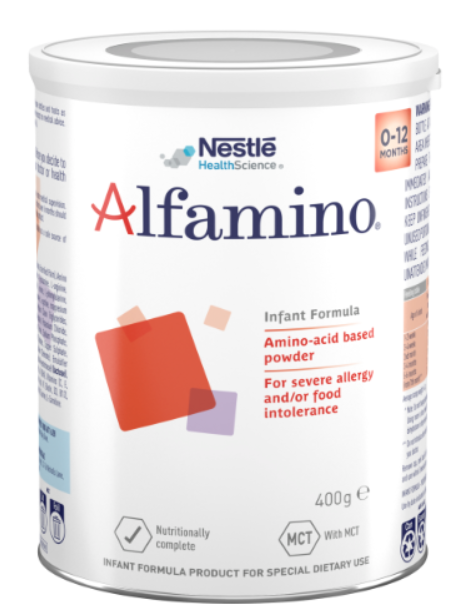
⚠️Cereulide toxin risk in Nestlé brand Alfamino Infant Formula (0-12 months) recalled due to the possible presence of the toxin cereulide
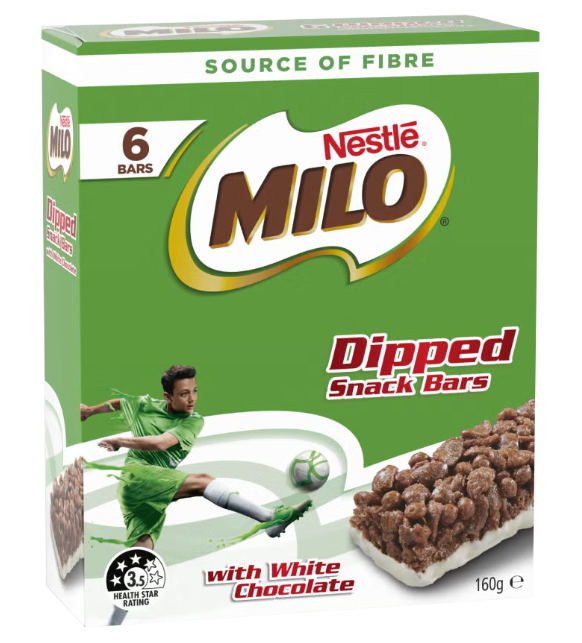
Nestlé Milo Dipped Snack Bars
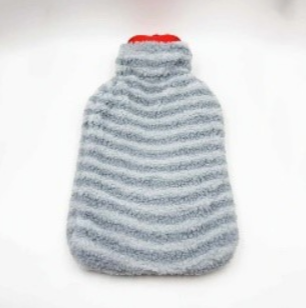
BC Hot Water Bottles sold at Bargain Chemist
Product Recalls: Infant care and clothing
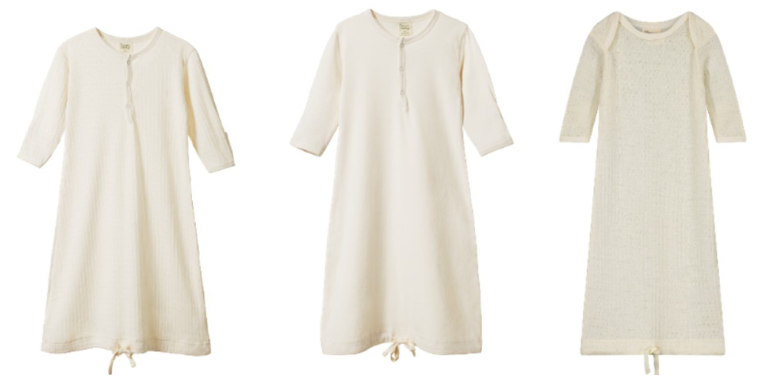
Nature Baby Sleeping Gown
Product Recalls: Toys
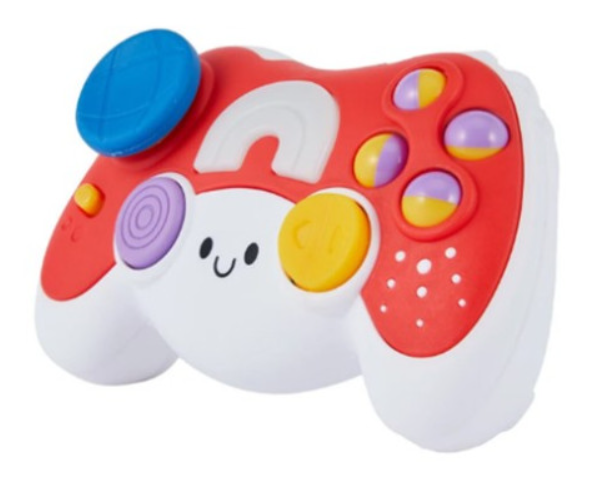
Sensory Game Controller - sold at Kmart
Product Recalls: Cosmetics
Outside Beauty & Skincare SPF 50+ Mineral Primer (2 batches)
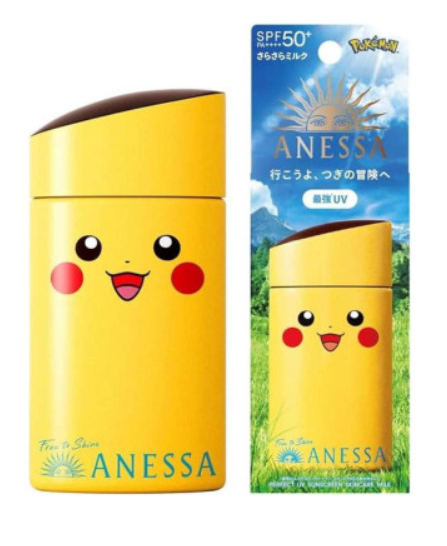
Anessa and Shiseido Anessa sunscreens sold only at Daikoku
Biore and Kao Biore sunscreens sold only at Daikoku
Kose Sunscreens sold only at Daikoku
Mentholatum sunscreens sold only at Daikoku
Pigeon sunscreens sold only at Daikoku
Rohto sunscreens sold only at Daikoku
Product Recalls: Electronics
Harvest Right Freeze Dryer HRFDSBKP-PP sold at Costco
Product Recalls: Other
Michelin X Multi Z and X Line Energy Z, size: 355/50R22.5, load/speed index:156K
UPDATED GASGAS Motorcycles: GASGAS Cross Country and Motocross model motorcycles with BRAKTEC brake system. New VINS added
Check the New Zealand Transport Agency's handy vehicle recall list here.
See past months' recalls. Stay safe, neighbours!

 Loading…