






I got a flu jab this year – so why did the flu still knock me out?
Getting a flu jab is not a silver bullet for avoiding the dreaded influenza – something Anna Murray found out the hard way a few weeks ago. So, why doesn’t the vaccine always work? She spoke to an immunisation expert to find out.
September came, and so did the flu.
I had smugly and successfully dodged the usual ills and chills all winter. But as soon as spring arrived on my doorstep, so too did influenza.
I felt many things over the 10 days my body fought the lurgy. I felt weak. I felt exhausted. I felt hot and cold with raging fevers. I felt random pains in my joints.
And I felt quite annoyed that I’d had my flu shot this year and thought I could skip all this.
When a flu jab fails
================
Now, with just the remnants of a cough left to remind me of that horror couple of weeks, I feel a bit stupid for thinking my flu jab would act like bulletproof armour.
Because as Principal Medical Advisor at the Immunisation Advisory Centre Dr Nikki Turner told me this week, no vaccine is going to protect 100% of people 100% of the time.
There are several reasons why a person who has had a jab still winds up getting the flu.
Sometimes this comes down to the educated guess work that goes into the composition of the flu shot each year.
The flu vaccine has components of four different types of influenza in it – two types of Influenza A and two types of Influenza B.
“Each year, there’s a decision made for the southern hemisphere and then for the northern hemisphere at predicting what the most likely circulating strains will be,” Turner said.
“So, every year they rejig the flu vaccine based on what they think will be the most likely circulating strains.”
Sometimes, the vaccine is not matched to the strain that winds up circulating.
“That’s not happened this year,” Turner said.
But even with a flu vaccine in the community that matches the circulating strain, New Zealand has had a big flu season.
ESR surveillance shows hospitalisations of people with severe acute respiratory illness (SARI) were higher over July and August this year than previous years.
And it’s not just the elderly with weaker immune systems having to go to hospital. Friends of friends my own age [redacted] have had to be hospitalised with their flu symptoms this season.
Different outcomes for different people
================================
Sometimes, people’s immune systems respond well to the flu vaccine, and sometimes, for a variety of reasons, they may not, Turner said.
For example, very elderly people often find their immune system doesn’t make as many antibodies ready to respond to the flu virus.
Other times, Turner said, the flu jab has done its job simply by keeping people from becoming severely ill. Contrary to my opinion that my flu jab had done absolutely nothing for me this year, it probably did create enough antibodies to stop me from winding up in hospital.
Despite briefly flirting with going to the after-hours clinic when my fever hovered around 40 degrees and wouldn’t come down, I ultimately didn’t need to burden an already stretched healthcare system with a hospital visit – and I can probably thank my flu jab for that, Turner said.
“Sometimes, you’ve got antibodies, and it stopped you getting severely sick - but you still get sick,” she said.
“Most of the time, for most of us, [the jab] does reduce the severity [of the illness], but for some people, for a whole lot of reasons, it just doesn’t work.
“We do know flu vaccines are never 100% effective all of the time – they vary from person to person. In younger, healthier people they should be more effective, but they’re still maybe 60 to 70% effective, so you’re talking about 30 to 40% of people who had the vaccine that it may not be effective in.”
Hospital admissions in Auckland this winter have been higher than last year as warnings go unheeded.
Turner said there are many factors that can determine how well a flu vaccine works for someone.
“We know stress affects it, we know poor sleep affects it, we know people’s housing conditions affect it,” she said.
The amount of virus you’re exposed to can also be a factor, which could be why my partner managed to dodge the flu this time while I suffered for days on end, Turner said.
“You might have got a greater inoculum [amount of viral particles that begin infection] than your husband,” she said.
“If you got a whole lot of virus at once, your antibodies are working really hard to knock it out, but there’s still too much virus – whereas maybe your husband got fewer virus particles at the same time.”
So, what to do to protect from flu?
===========================
The moral of the story here is that people can’t rely on the vaccine alone to stop getting sick with the flu, Turner said.
“Vaccines are just part of the protection against severe flu,” she said.
“They are definitely not perfect. We’d love better vaccines, but for the time being, they’re still better than not having them.
“We still need to protect ourselves in many other ways.”
Turner said this might mean trying to reduce exposure to the flu through winter and spring, including staying home if you become unwell.
Turner said she was also sad to see the end of the mandatory use of masks in certain circumstances.
“Personally, I'd be saying to all of us, if you're on the train or in a crowded place at the start of the flu season, wear masks, keep away from crowded places,” she said.
“And if you are exposing yourself to people who have problems with their immune system or very elderly people, think about protecting them.
“We also need the social protections around us, all the things we learned through Covid and we're now forgetting rapidly. Vaccines are only part of a bigger strategy.”
Improving the flu vaccine
=====================
Meanwhile, scientists are still trying to make better vaccines, Turner said.
“For years, they’ve been trying to make one vaccine to cover all flu strains. They haven’t cracked that one, but that would be great; that’s the holy grail of flu vaccines,” she said.
Adjuvanted vaccines have also become available for older people, whose immune systems don’t respond as well to the regular flu jab. The adjuvant helps drive a stronger immune response.
“There’s a whole lot of other fancy new technology out there to try and improve flu vaccines,” Turner said.
“Because flu vaccines are really, really old. They've been around for years and years and they work, but they're not brilliant, they don't work for everybody. We do need better vaccines.”
=============================================
www.1news.co.nz...
=============================================

Poll: 🤖 What skills do you think give a CV the ultimate edge in a robot-filled workplace?
The Reserve Bank has shared some pretty blunt advice: there’s no such thing as a “safe” job anymore 🛟😑
Robots are stepping into repetitive roles in factories, plants and warehouses. AI is taking care of the admin tasks that once filled many mid-level office jobs.
We want to know: As the world evolves, what skills do you think give a CV the ultimate edge in a robot-filled workplace?
Want to read more? The Press has you covered!

-
52.9% Human-centred experience and communication
-
15% Critical thinking
-
29.6% Resilience and adaptability
-
2.5% Other - I will share below!
Room for rent
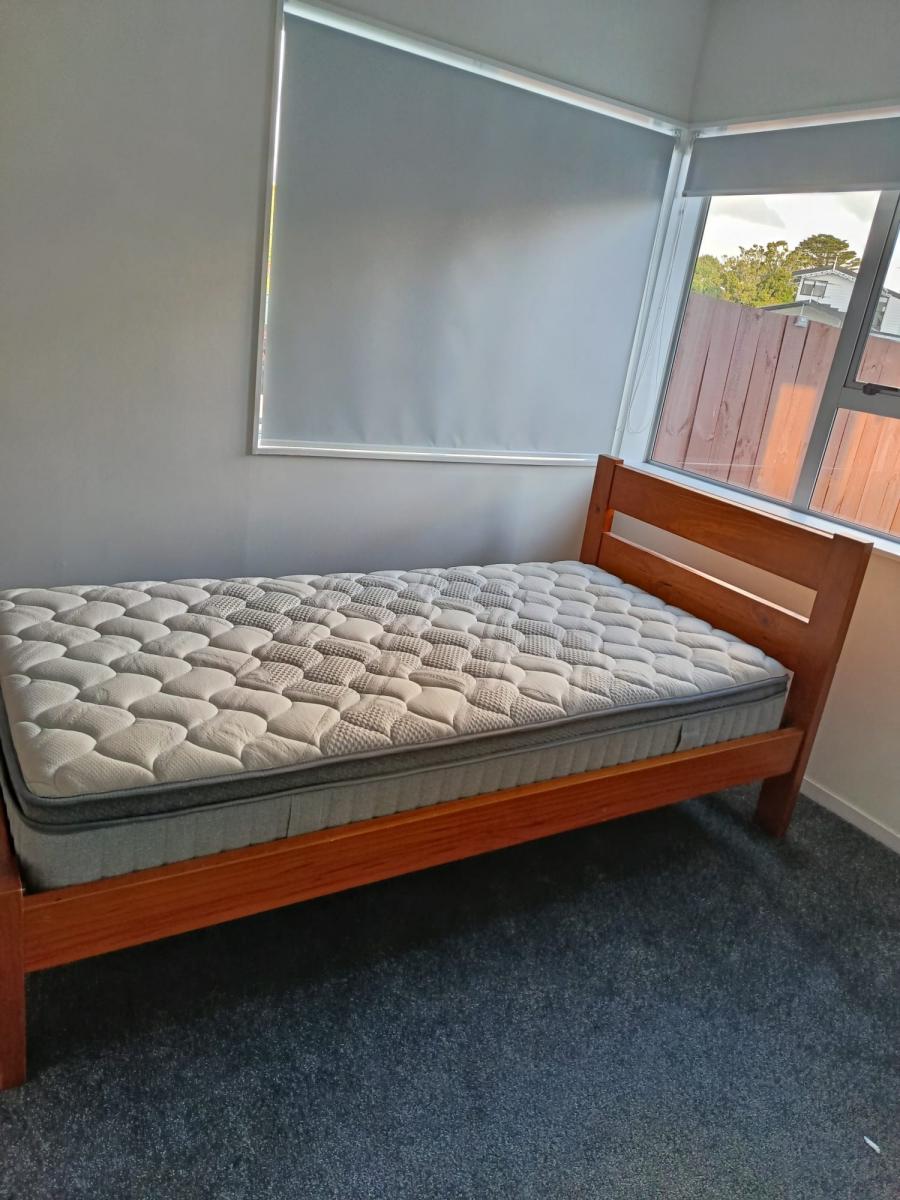
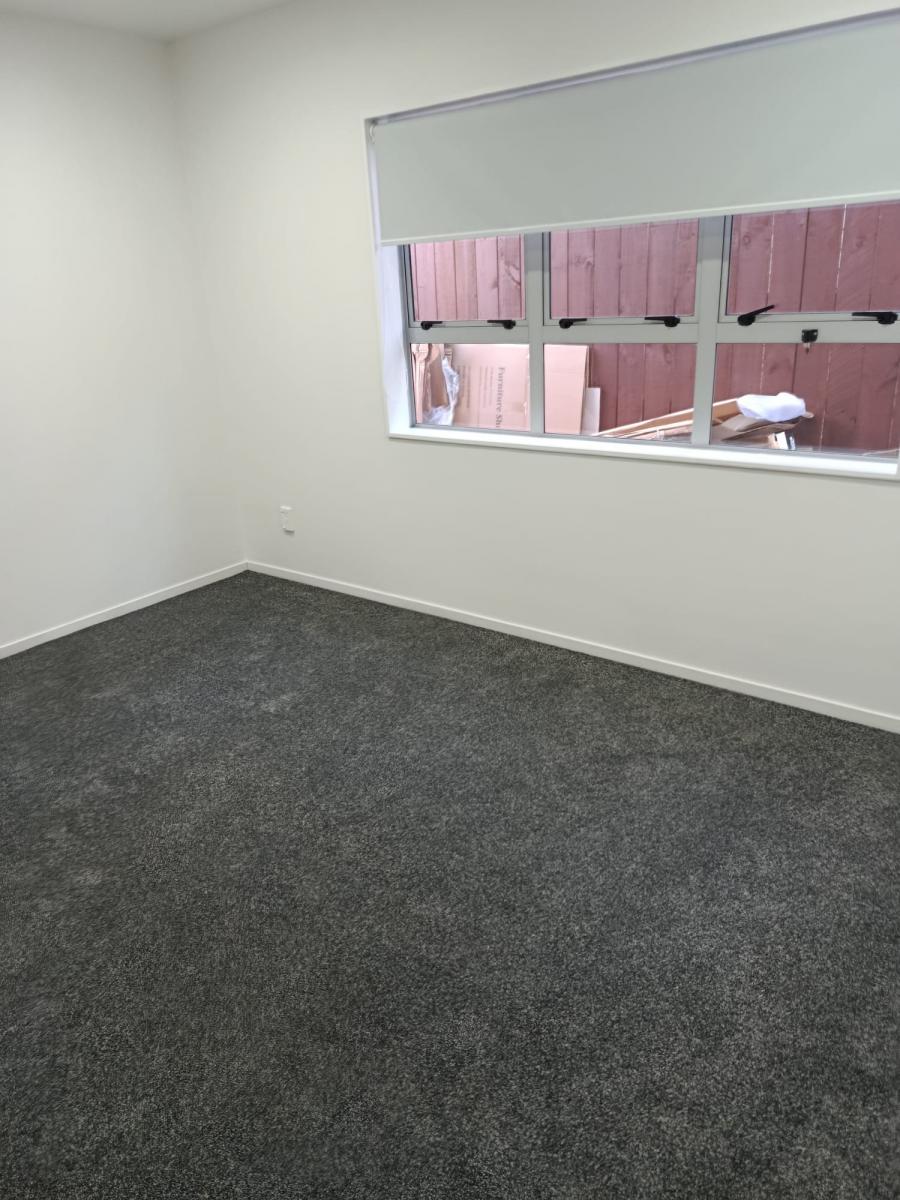
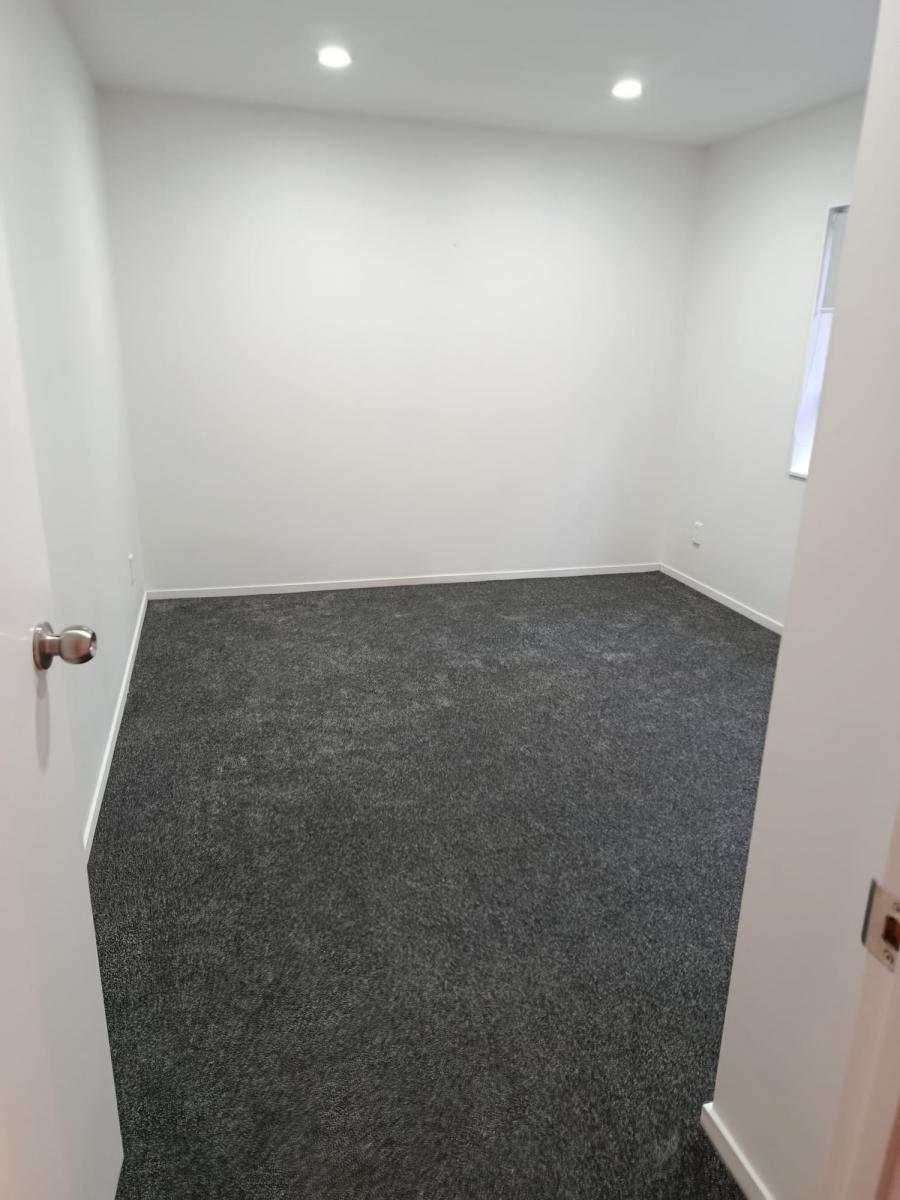
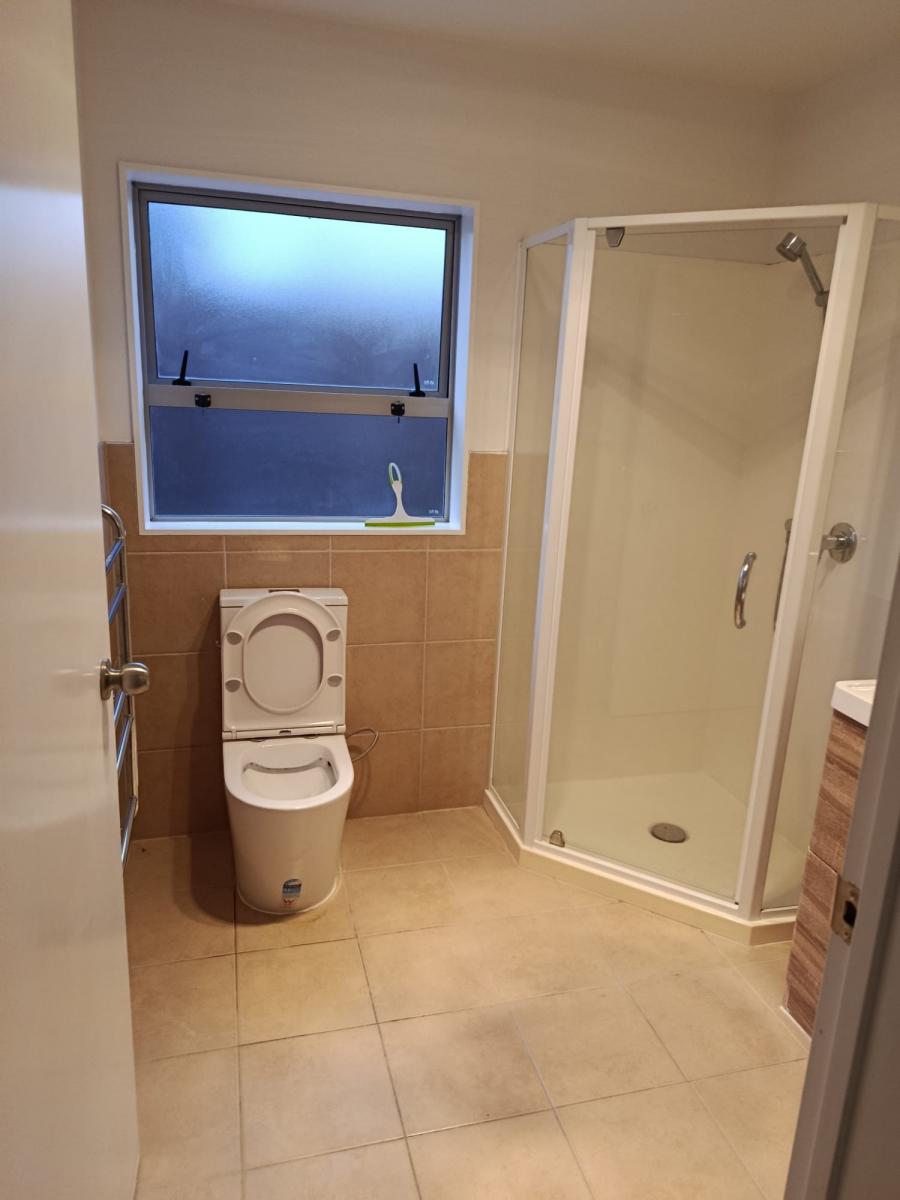
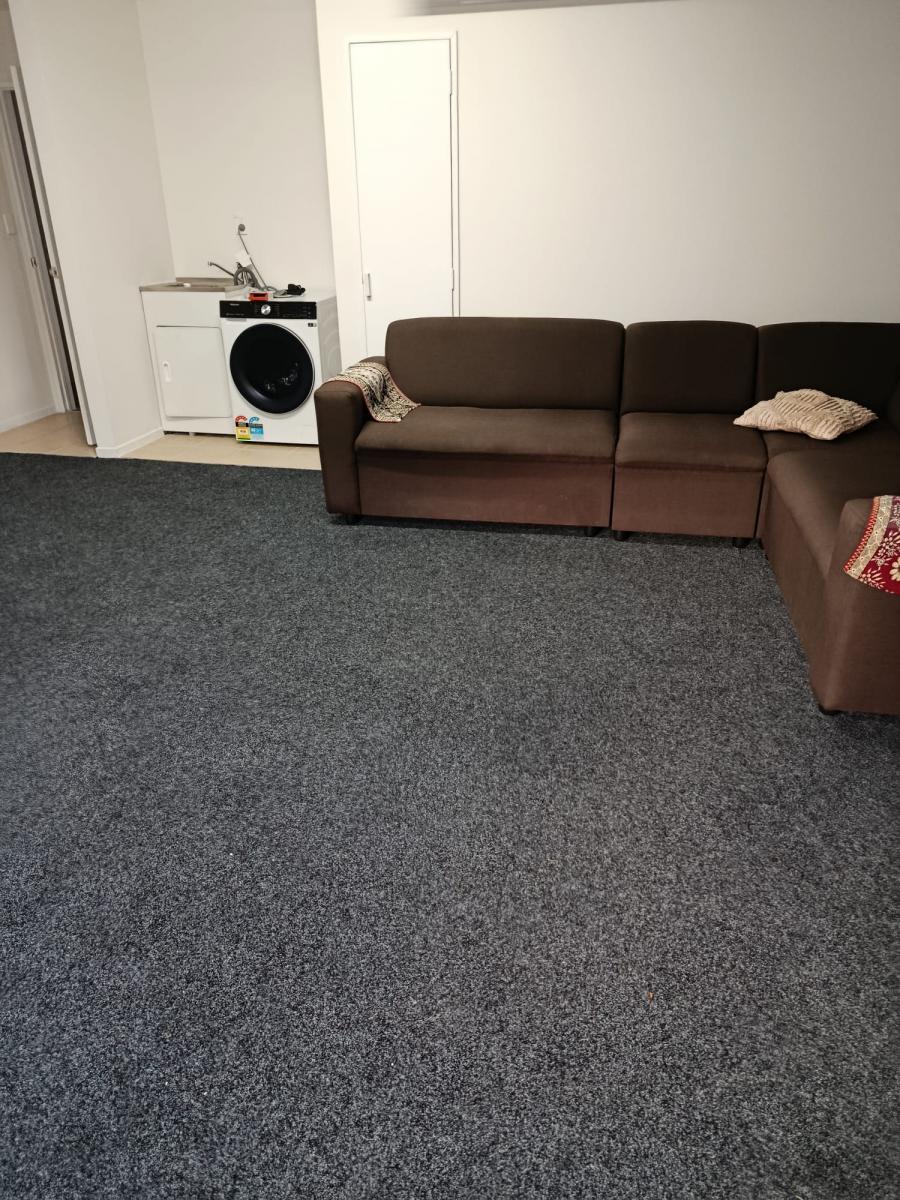
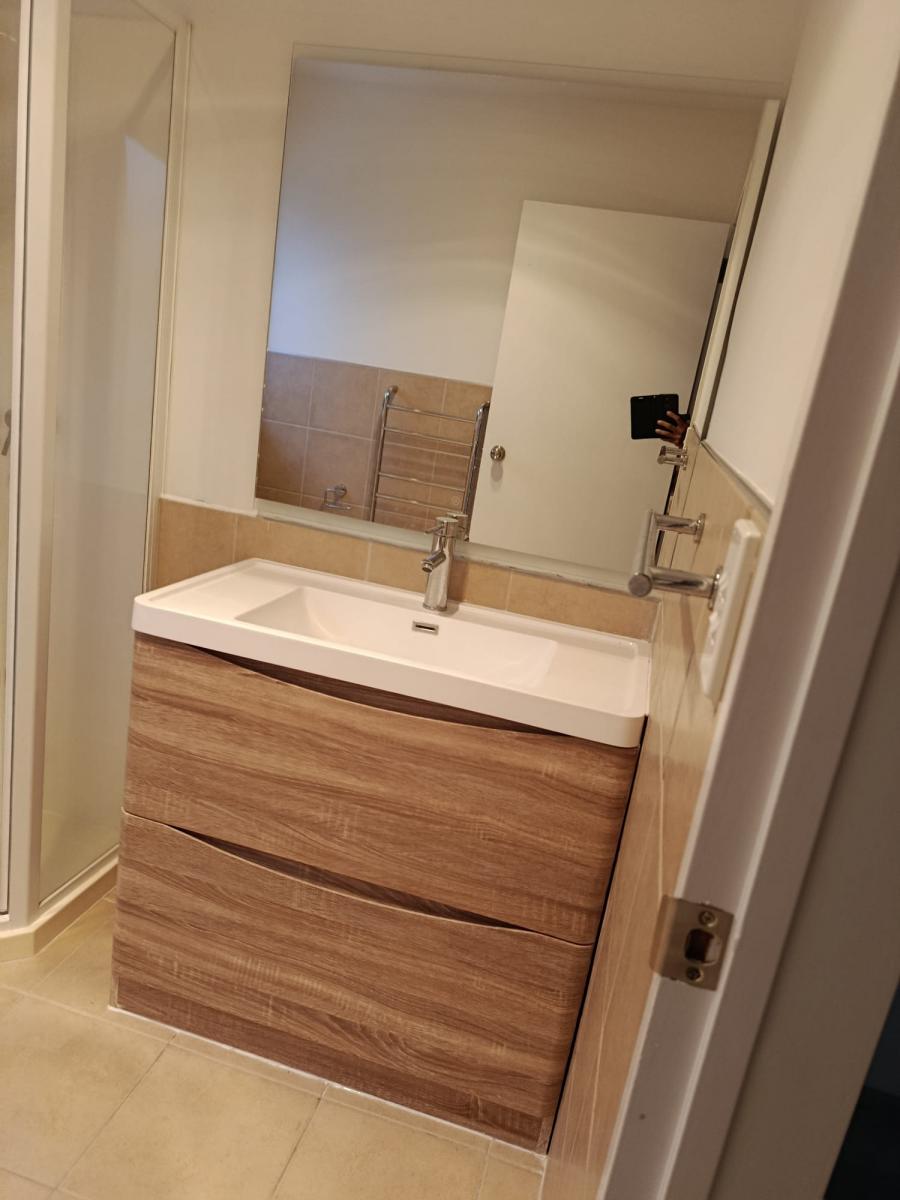
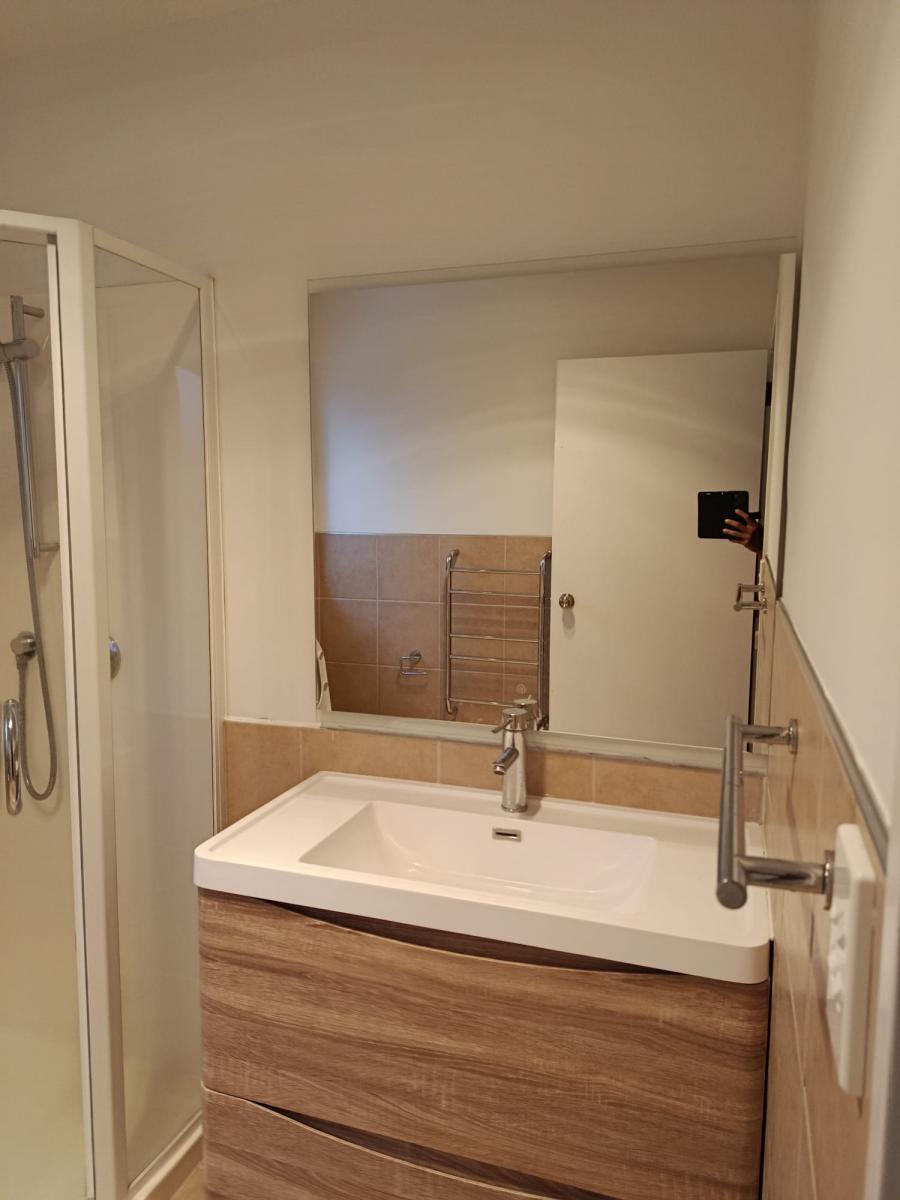
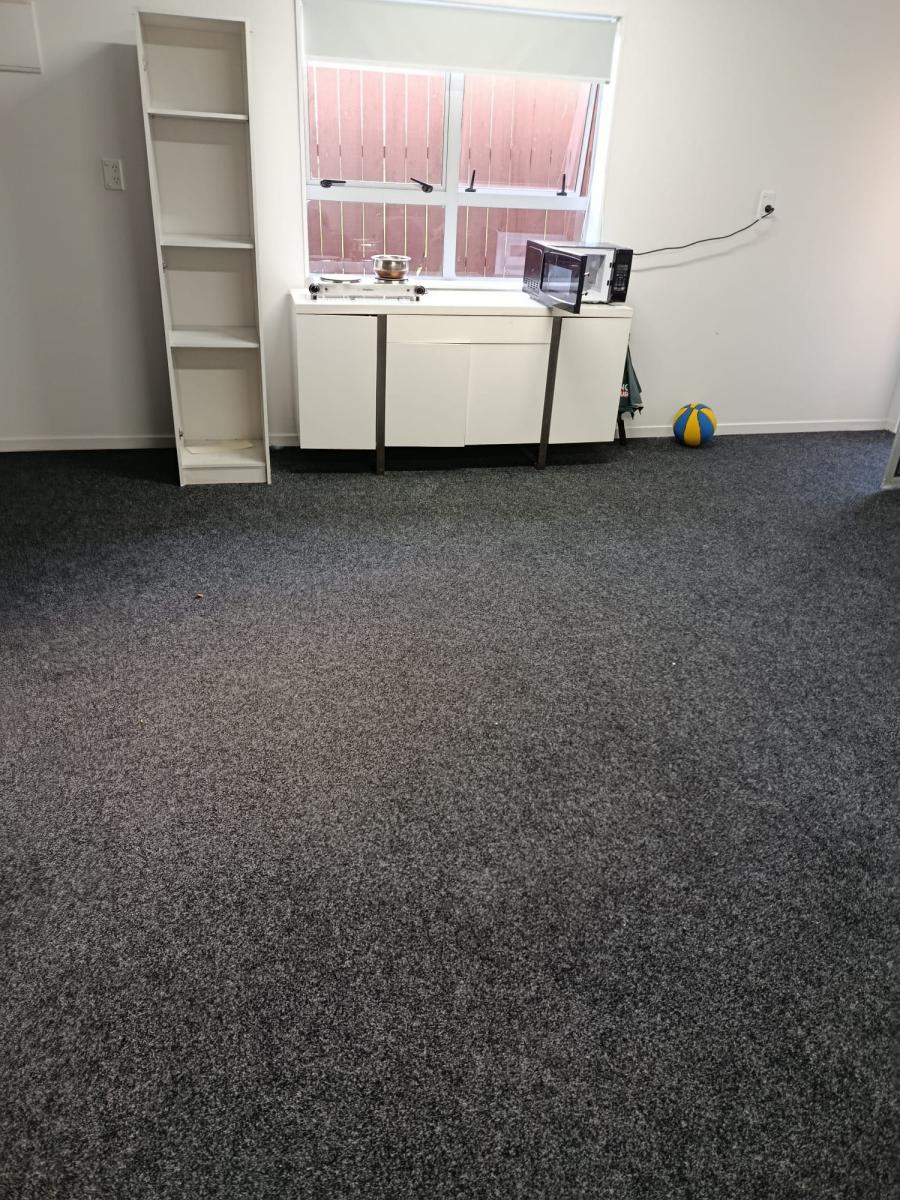
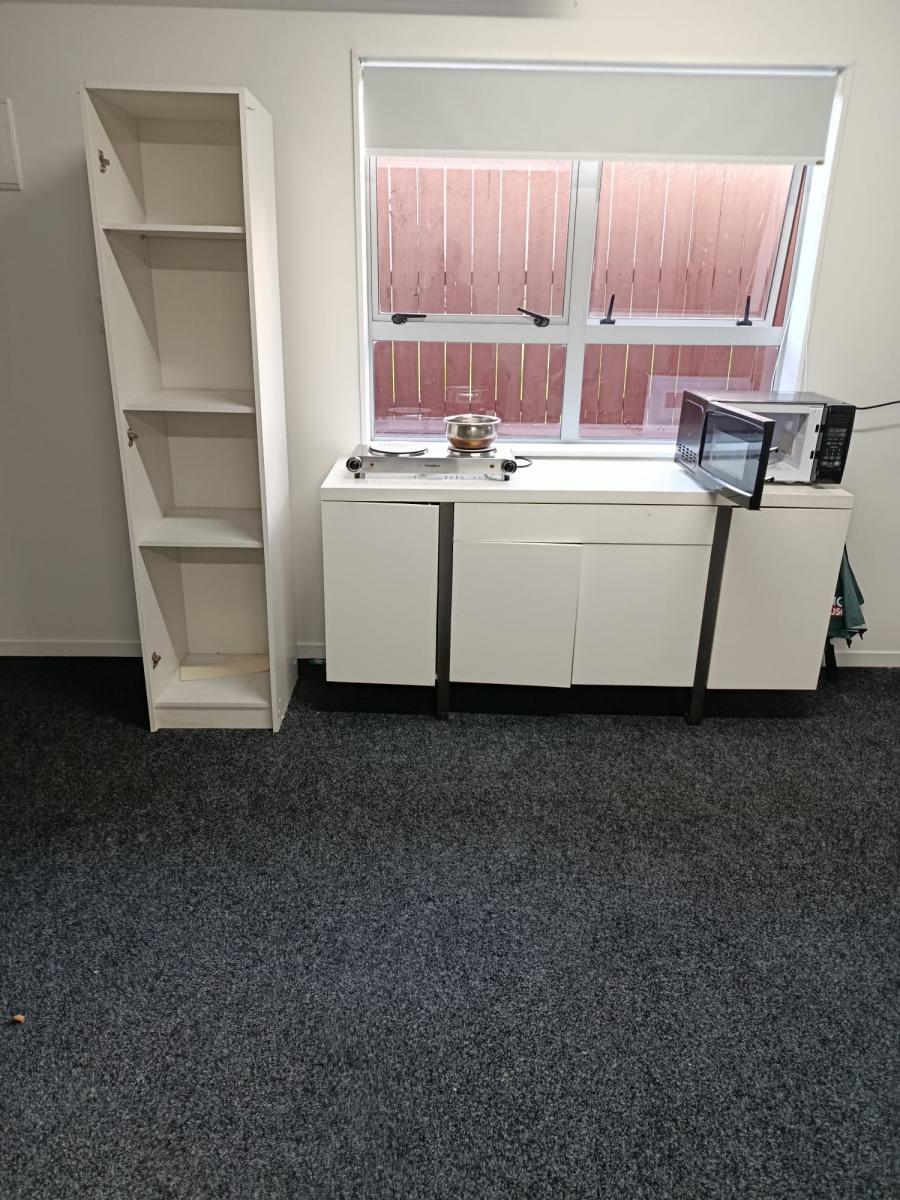
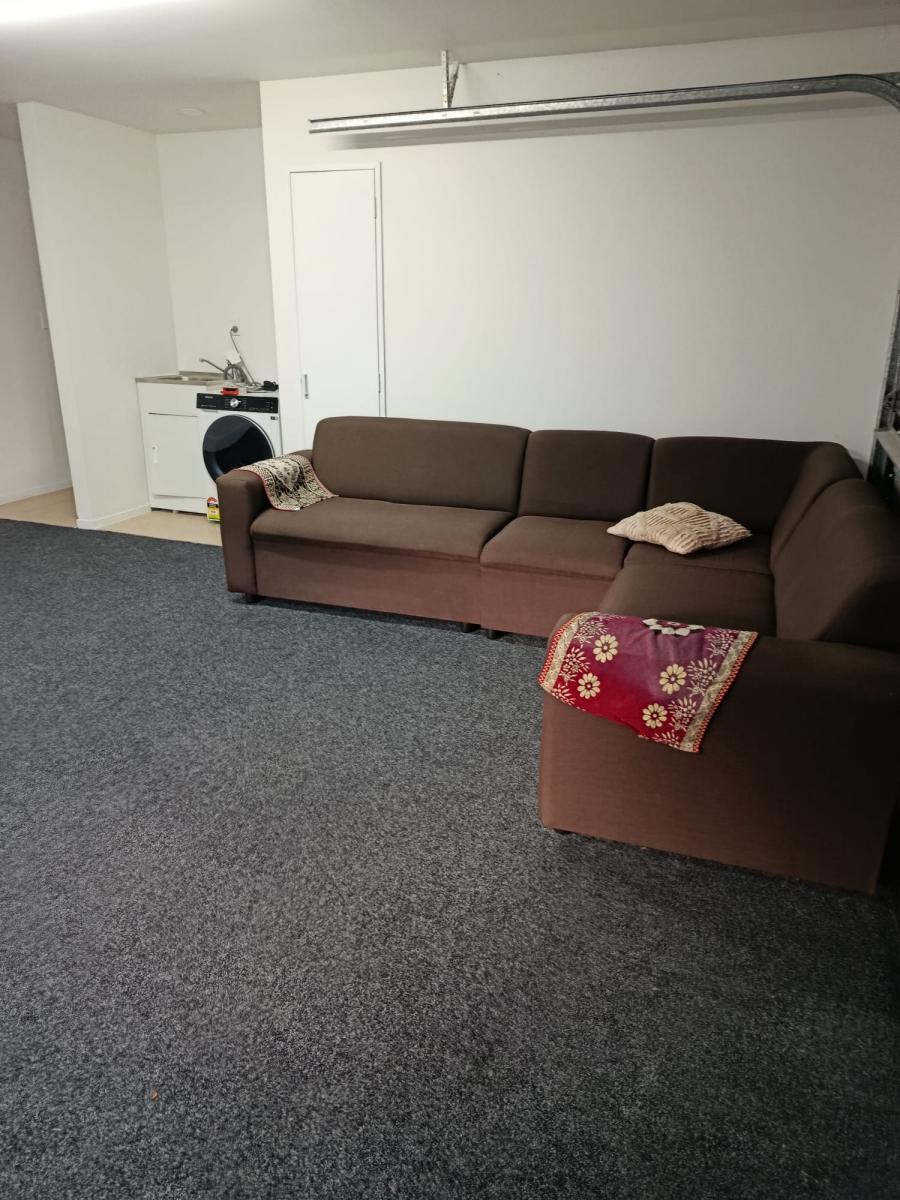
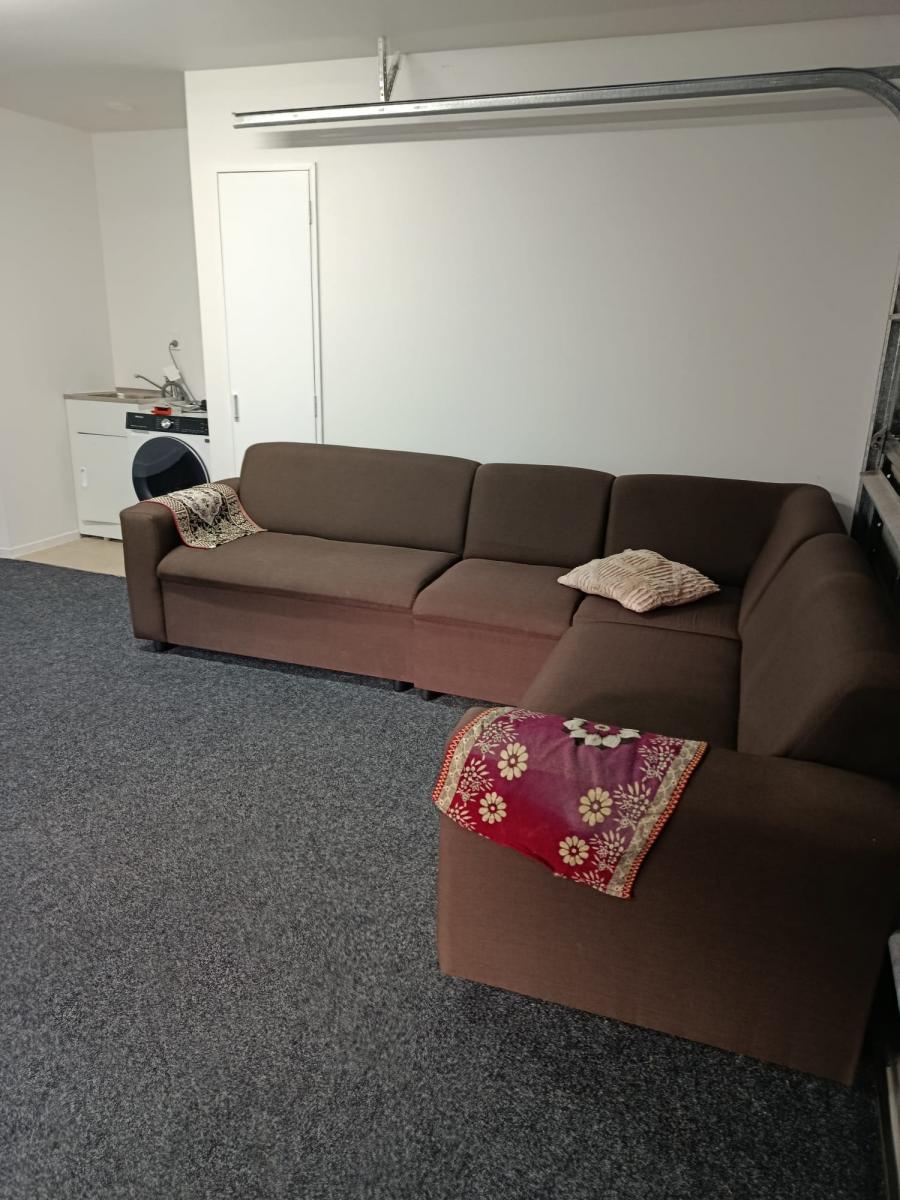
🌿 Beautiful Private Space Available for Rent – Perfect for 2 Girls or a Couple 🌿
Located in the peaceful and family-friendly suburb of Lynfield, this warm and welcoming home offers a comfortable living space in a highly sought-after top school zone.
✨ What’s Included:
🏡 2 Spacious Bedrooms
🛁 Private Bathroom
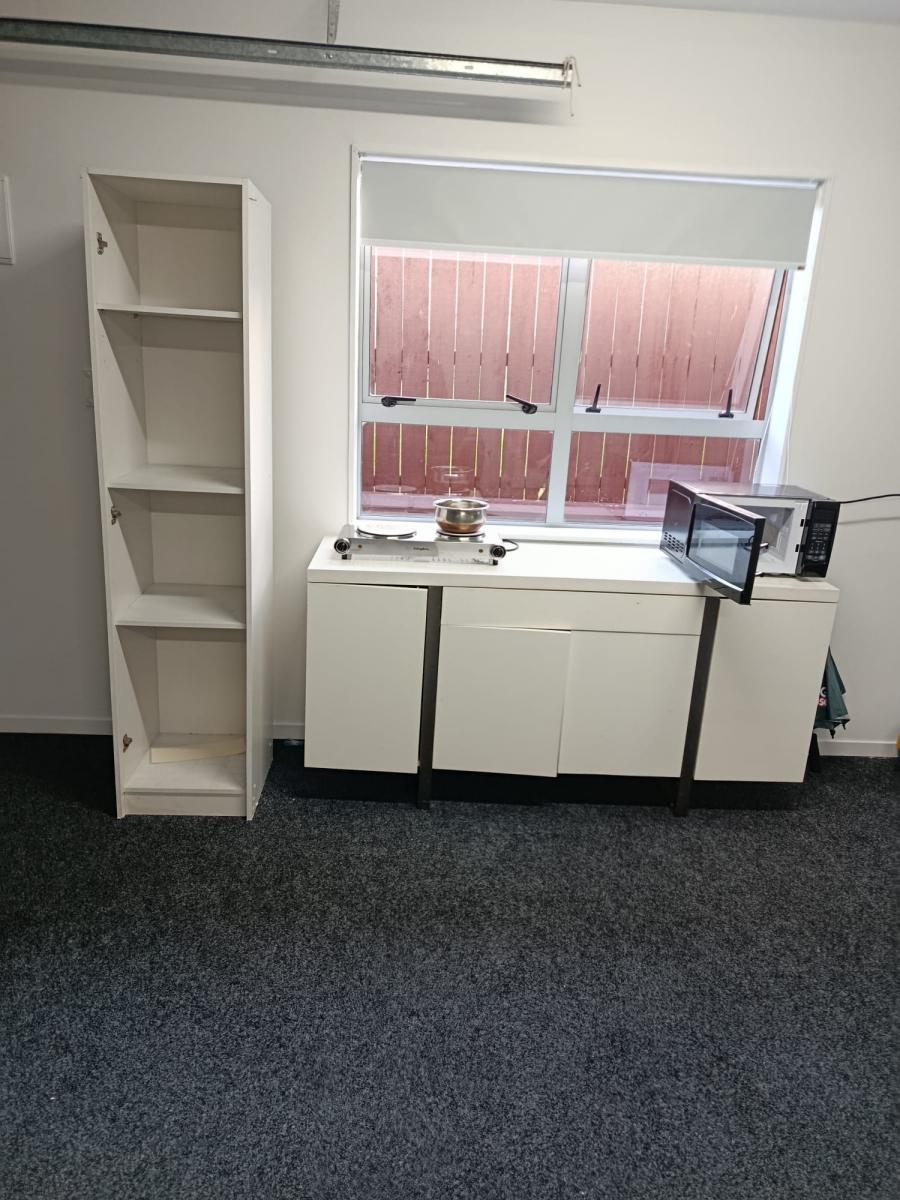
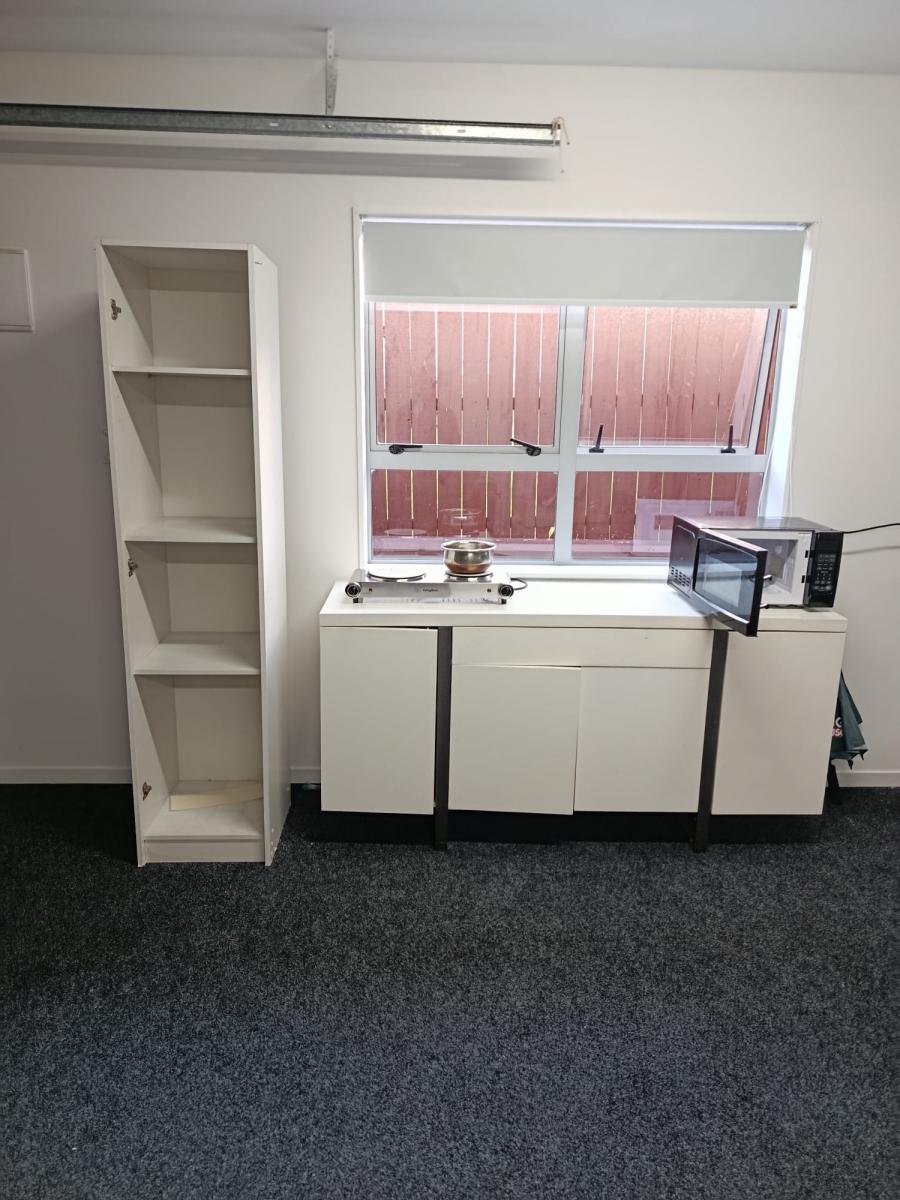
🍳 Separate Kitchen
🛏️ 1 Bed with Mattress
🔥 Stove
📟 Microwave
Unlimited WiFi included
✔ Power & water included
✔ Bus stop in front of the house
✔ Nearby shops and supermarkets
This setup is ideal for two girls or a couple looking for a quiet, safe, and relaxed place to call home.
🌸 Enjoy living in a serene neighbourhood with a friendly community atmosphere, while still being conveniently close to schools, shops, and transport.
If you're looking for comfort, privacy, and a peaceful lifestyle — this could be your perfect new home 💛
📍 Location: Lynfield, Auckland
📩 Message for more details or to arrange a viewing. For couple $450 for one bedroom. $600 for the 2 bedroom and kitchen and bathroom. Feel free to contact me on 022-422-0145 for any other details

Brain Teaser of the Day 🧠✨ Can You Solve It? 🤔💬
Make a hearty dish. Take just half a minute. Add four parts of kestrel. Then just add one. What have you made?
(Trev from Silverdale kindly provided this head-scratcher ... thanks, Trev!)
Do you think you know the answer? Simply 'Like' this post and we'll post the answer in the comments below at 2pm on the day!
Want to stop seeing these in your newsfeed? No worries! Simply head here and click once on the Following button.
 Loading…